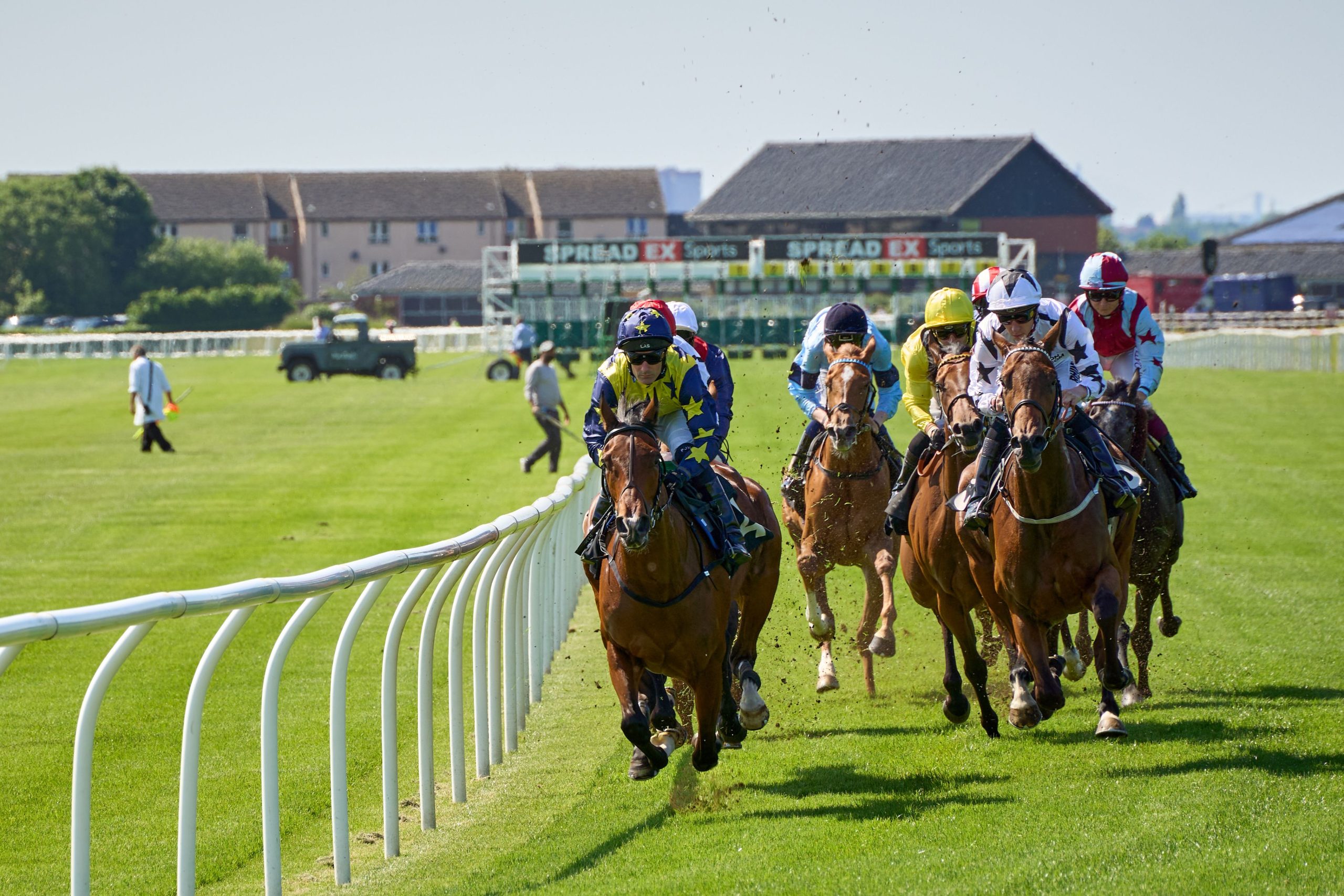
ST. LOUIS, MO - September 30, 2026 (StLouisRestaurantReview) Have you ever thought about how effective horse racing marketing is? It is so effective that the sport has stayed relevant for hundreds of years; it has built an entire culture around the sport and has the most dedicated and unique fan base.
After all, how does a person who knows nothing about horse racing still know that you are supposed to wear an enormous hat or dress up nicely at the Kentucky Derby? Well, that’s effective marketing.
Horse racing has spent generations developing something many modern brands desperately try to manufacture: recognizable rituals. Some brands don’t even know what rituals are and how they would benefit them.
If you look at events like the Kentucky Derby, which has an unofficial dress code, roses, mint juleps, calling to the post, and many other traditions, you start to get why this event feels so special for everyone.
Well, you can create the same feeling and relationship with your customers and your brand, and here is how.
Sell the Ritual, Not Just the Product
The Kentucky Derby is held for a few minutes on the first Saturday in May. Yet, it attracts more than 150,000 spectators, and everyone is going crazy on social media.
That’s because the Kentucky Derby experience lasts considerably longer.
People plan outfits weeks before the main event. Restaurants create Derby menus. House parties appear across the country, and people start talking about which horse they’re betting on.
So, do you see something unique? Churchill Downs is not selling a two-minute ticket for the event. It sells the entire Kentucky Derby experience. That’s the actual product, not the race itself.
And if we zoom out of Kentucky, we can find the same thing on many other events, like the Breeders’ Cup. The Breeders’ Cup has more races, but the highlight is often the Breeders’ Cup Classic. Everyone keeps an eye on this event and researches how to bet the Breeders’ Cup Classic, what to wear, which horse is the favorite, which is an underdog, and so on.
So, what can we learn from this? Well, if you have a retail brand, don’t ask, “What are we selling? Ask, “What does someone do with us?” and “What kind of experience can we offer, apart from the product?”
A product is a material thing that people don’t make an emotional connection to. They connect with the brand’s passion, experience, feel, and the emotions it sparks in them.
And if you already have a product, it is time to create an experience around it.
Give Customers Something They Can Participate In
Royal Ascot takes this even further.
Fashion is not merely decoration around the racing. It has become part of how visitors participate in the event. Ascot publishes its own lookbooks, maintains different dress requirements across enclosures, and builds marketing around the idea that racegoers can discover their own version of the experience. Its 2026 campaign is literally called "Find the Ascot You."
Ascot does not simply show you beautiful people wearing expensive clothes.
It quietly asks:
What are you wearing?
Retail brands can use the same principle.
Instead of treating customers as an audience for advertising, give them a visible role in the campaign. Show how people style the product differently. Create a seasonal theme people can interpret. Build something worth photographing.
Put the Product Inside the Experience
Horse racing partnerships also show how much better sponsorship works when the product is actually useful.
At the 2026 Kentucky Derby, L'Oréal Paris became Churchill Downs' first official beauty partner. Rather than simply placing its logo around the venue, it offered makeup touch-ups, product samples, and involvement in the Style Under the Spires fashion competition. Longines operated an elevated watch-shopping experience inside the Turf Club. Ford brought vehicles and a historic racing display. Woodford Reserve continued its association with the Derby's famous mint-julep culture.
Beauty products fit race-day preparation. Bourbon fits Kentucky.
Ford even has a genuine Kentucky connection through its manufacturing presence in Louisville, which Churchill Downs highlighted when the partnership originally began.
Let People Participate Even When They Are Not There
Another useful lesson from the Derby is that the experience does not stop at the venue.
In 2026, Churchill Downs partnered with CAFÉ appliances and food personalities on a Derby-at-home campaign designed for people hosting their own parties away from Louisville. Recipes, entertaining ideas, and home experiences extended the event into kitchens across the country.
Only a limited number of people can physically attend Churchill Downs.
Almost anyone can make a drink, wear something ridiculous, and shout at a television for two minutes.
A fashion launch does not have to belong only to the 200 people invited to the room. A restaurant opening can provide recipes or home versions online. A travel brand can let followers recreate part of a destination experience. A beauty event can become a tutorial series.
Build a World With Consistent Visual Codes
Keeneland shows the quieter version of the same idea.
Its brand is extraordinarily consistent. Limestone architecture, dark green, thoroughbred imagery, and an emphasis on tradition appear throughout the racing, sales, and visitor experience.
More importantly, its campaigns repeatedly return to the institution's central idea: the horse.
Keeneland's current "A Horse Is Measured in Hands" campaign uses the familiar equine unit of measurement as a metaphor for the human hands involved in breeding, racing, and caring for Thoroughbreds. The campaign connects directly to Keeneland's stated mission of supporting the horse and the wider industry.
That is what brand consistency looks like when it is done properly. It does not mean putting the same logo in the top-left corner for 17 years. It means people should recognize what the brand believes before the logo appears.
Final Thoughts
So, if we take a step back, we can see that horse racing’s best marketing campaigns work because they understand that people rarely fall in love with products. They fall in love with occasions and experiences that spark emotions.
Once you learn this formula, the experience that your brand offers will become your main product. https://stlouisrestaurantreview.com/winning-the-inbox-on-race-day-how-retail-and-lifestyle-brands-can-learn-from-horse-racing-campaigns/

No comments:
Post a Comment