Wednesday, September 30, 2026


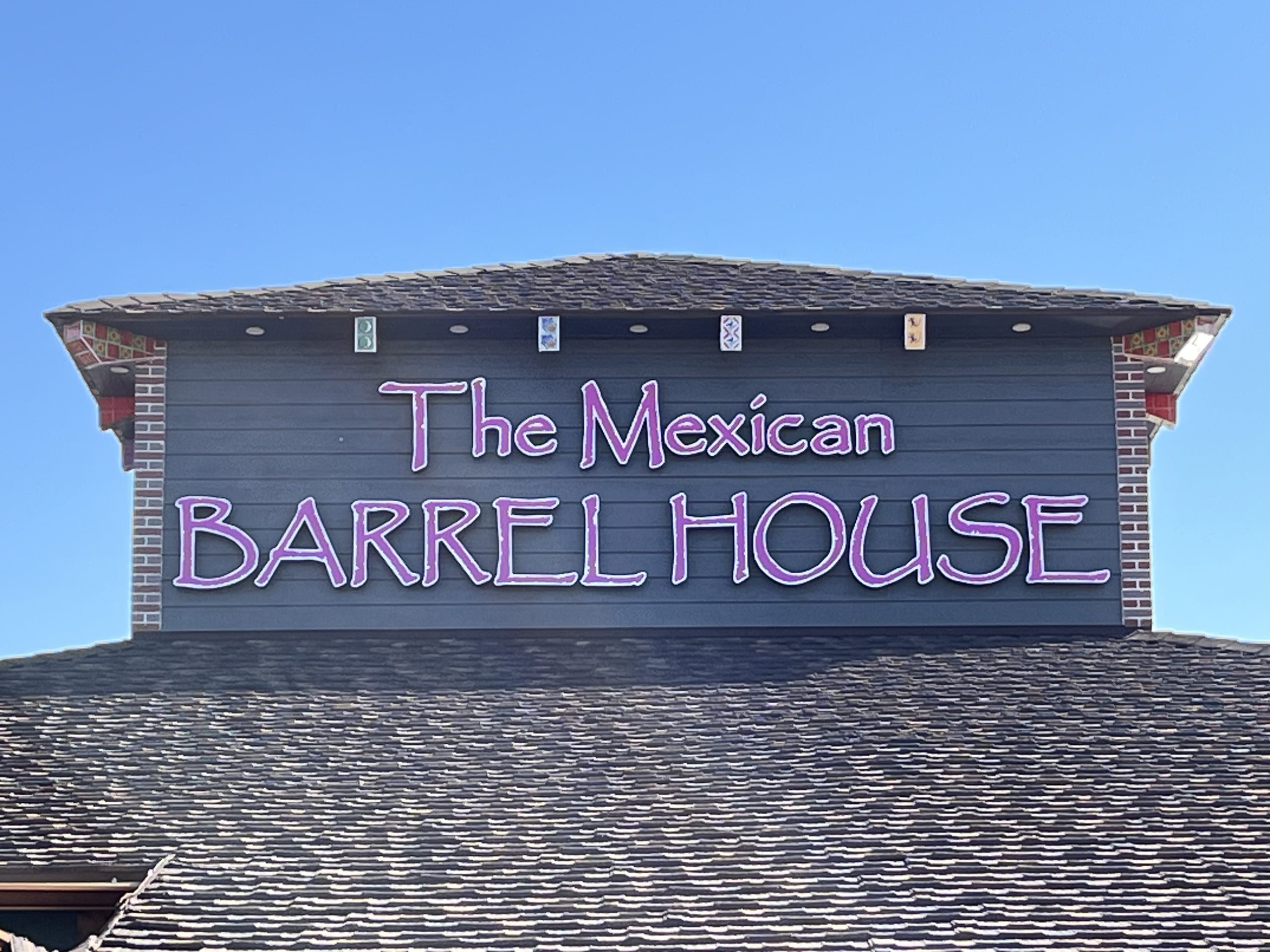
The Mexican Barrel House - Creve Coeur, MO
(StLouisRestaurantReview) The Mexican Barrel House is a Mexican and Tex-Mex restaurant in Creve Coeur, Missouri, offering an unconventional combination of Mexican favorites, smoked meats, barbecue influences, specialty tacos, brunch dishes, and a full bar program.


Located at 1085 North Mason Road, Creve Coeur, MO 63141, the restaurant occupies a large, dramatically redesigned space near Olive Boulevard in West St. Louis County.

The Mexican Barrel House isn't built around just one dining experience. Guests can stop in for tacos and margaritas, order familiar enchiladas and combination plates, explore smoked-meat creations, meet friends for weekend brunch, or bring a larger group together for a celebration.

That broad approach is central to the restaurant's identity.

The menu blends Mexican and Tex-Mex traditions with techniques and ingredients from American barbecue and breakfast cooking. The result is a restaurant that feels familiar while still offering plenty of opportunities to order something outside the usual Mexican restaurant lineup.


Mexican Food Meets Smoked Meats


The Mexican Barrel House separates itself from many St. Louis-area Mexican restaurants through its use of smoked meats and barbecue-inspired dishes.

Mexican and Tex-Mex standards remain an important part of the menu, but smoked brisket, grilled meats, and other barbecue elements give the kitchen another direction to explore.

That approach is particularly evident among the restaurant's shareable selections.

Guests can begin with traditional choices such as roasted salsa, queso, and guacamole, but the menu moves into more distinctive territory with items such as brisket and potatoes, smoked grilled wings, and corn ribs.

This Mexican-meets-barbecue approach gives groups considerable flexibility.

Someone looking for recognizable Mexican comfort food can order an enchilada or burrito, while another diner can explore brisket, smoked meats, or one of the restaurant's more unconventional creations.


Tacos, Enchiladas and Tex-Mex Combinations


Traditional favorites haven't been forgotten.

The menu includes tacos, quesadillas, enchiladas, burritos, chile rellenos, tamales and tostadas.

Combination dinners are especially useful for customers who want more than one familiar item.

The Laredo combines a beef taco with a chicken enchilada. The Juárez pairs a chicken burrito with a beef enchilada, while the México combination includes chile relleno and a beef enchilada.

Other combinations include tamales, tostadas, quesadillas, and enchiladas.

The restaurant serves its Tex-Mex combinations with accompaniments including rice and beans.

These plates provide a more traditional counterpoint to some of the restaurant's experimental smoked-meat offerings.


Shareables Encourage Group Dining


The size and design of The Mexican Barrel House make group dining an important part of the experience, and the menu reflects that.

Shareables give the table an opportunity to try several flavors before choosing individual entrées.

Along with queso, guacamole, and roasted salsa, the restaurant offers items incorporating brisket, smoked wings, nachos, and corn.

The mix of Mexican starters and barbecue-inspired selections works particularly well for larger tables with guests with different tastes.

It also fits the restaurant's atmosphere.

This is a large dining establishment, not a compact neighborhood taqueria. The space was designed to accommodate roughly 280 guests, and the approximately 8,700-square-foot building provides room for dining, drinks, and celebrations.


Brunch Takes Mexican Barrel House in Another Direction


Breakfast and brunch add an entirely different dimension to The Mexican Barrel House.

The restaurant opens at 10 a.m. Friday, Saturday, and Sunday, and serves several breakfast-oriented dishes until 2 p.m.

Among the most distinctive selections is the Queso Birria Benedict, which replaces the traditional English muffin foundation with queso birria tacos topped with poached eggs, creamy birria sauce, Cotija cheese, pickled red onions and cilantro.

The T.M.B.H. Slinger provides a particularly St. Louis-oriented breakfast option.

The dish combines smoked brisket, bacon, and chorizo with grilled onions and peppers over hash browns, then adds chili, cheese, and a fried egg.

It's an example of how the restaurant brings several parts of its identity together on a single plate: Mexican flavors, smoked meat and a recognizable St. Louis diner tradition.

Additional choices include a steak-and-egg skillet, fajita skillets, fajita omelets, a veggie omelet, chilaquiles and breakfast burritos.

For diners who enjoy substantial weekend breakfasts, the brunch menu may be one of the strongest reasons to consider The Mexican Barrel House as more than a conventional Mexican dinner destination.


Soups, Bowls and Lighter Alternatives


Not every visit needs to revolve around a large combination plate or smoked meat.

The menu also includes salads, soups, and bowls.

Chicken tortilla soup provides a familiar option, while pozole verde offers another Mexican-inspired choice. Birria ramen takes the menu into fusion territory by combining birria flavors with a noodle-based presentation.

The Barrel Bowl gives diners another alternative to tacos, enchiladas, and burritos.

Vegetarian choices are also available, including breakfast selections such as the veggie omelet, making the restaurant more workable for groups with different dining preferences.

Customers with allergies or specific dietary requirements should always discuss current ingredients and preparation methods with restaurant staff.


Desserts Continue the Mexican Theme


Dessert selections are substantial enough to deserve consideration when planning a meal.

Mexican churros are served with cinnamon sugar, chocolate sauce, and whipped cream.

Mexican flan provides a more traditional finish with custard and caramel, while choco flan combines chocolate cake and flan.

Fried ice cream offers the most elaborate dessert presentation, with a crunchy coating and extra toppings.

For larger parties, ordering several desserts for the table can be an easy way to sample more than one.


Margaritas and Drinks


The Mexican Barrel House naturally places considerable emphasis on beverages.

Margaritas and cocktails complement the Mexican and Tex-Mex food, while the bar environment contributes to the restaurant's appeal for date nights, groups, and social gatherings.

Customers who don't drink alcohol have a wider selection than standard fountain drinks.

The current beverage menu includes Mexican bottled Coca-Cola and flavored Mexican sodas, along with horchata and Jamaica. Flavored lemonades and iced teas are also available, in addition to coffee, juices, and traditional fountain beverages.

That variety is especially helpful during brunch and family meals.


An Interior Designed to Be Explored


Food is only one component of The Mexican Barrel House.

The restaurant occupies the former Houlihan's building in Creve Coeur, but the property underwent a major transformation before reopening under its current identity.

Owner Alfredo Flores spent approximately four years developing the concept and remodeling the roughly 8,700-square-foot building.

The result is a restaurant with seating for about 280 people and an interior intentionally designed to offer more visual interest than a typical casual-dining space.

Color, Mexican cultural references, photographs, artwork, and decorative details appear throughout the building.

Some elements connect personally to Flores and his family rather than serving as generic restaurant decorations.

The building also retains and repurposes some materials from its previous life, blending portions of the property's history into the new restaurant.

The atmosphere can be part of the reason to visit, particularly for diners who enjoy restaurants where the physical environment contributes to the overall experience.


From a Former Houlihan's to a Local Restaurant


The road to opening The Mexican Barrel House was lengthy.

Flores acquired the former Houlihan's property in 2021 and began turning it into an independent restaurant.

The redevelopment became considerably more involved than a simple restaurant remodel.

Work on the property included major building systems and interior renovations. After years of development, The Mexican Barrel House entered its soft-opening stage in early 2026, ahead of its scheduled grand opening on Feb. 16.

That lengthy development period produced one of the larger independent Mexican restaurant concepts in West St. Louis County.

Rather than simply reopening the former chain restaurant under another name, the building was reimagined around the Mexican Barrel House identity.


Parties, Celebrations and Catering


The restaurant's size makes it particularly relevant for groups.

The Mexican Barrel House actively promotes group reservations and parties, with the dining environment offering multiple areas for guests to gather.

The restaurant can accommodate birthday celebrations, family gatherings, business dinners, and other occasions.

Catering is another part of the operation.

Customers planning an off-site gathering can contact the restaurant regarding current catering options, while those who prefer to eat at home can use online ordering.

The restaurant's current ordering system provides pickup and delivery options.


Family Dining


Despite the bar program and nightlife-friendly atmosphere, The Mexican Barrel House also caters to families.

A dedicated children's menu includes quesadillas, tacos, nachos, chicken tenders, grilled cheese, mini sliders, hot dogs, and macaroni and cheese.

That range is useful for parents whose children may not want the same Mexican or barbecue selections as adults.

Families can therefore visit without depending entirely on tacos and quesadillas for younger diners.


A Distinctive Addition to Creve Coeur Dining


The Mexican Barrel House enters a competitive St. Louis restaurant market with a concept that deliberately crosses categories.

It is Mexican, but not exclusively traditional Mexican.

It serves Tex-Mex, but doesn't stop with combination plates.

It incorporates barbecue and smoked meats without positioning itself strictly as a barbecue restaurant.

Its breakfast and brunch program also gives the restaurant an additional identity during the first half of the day.

The large dining room, elaborate interior, full bar, brunch offerings, and smoked-meat influences create multiple reasons to visit depending on the occasion.

A customer might choose The Mexican Barrel House for weekend brunch one week, return for tacos and margaritas another evening, and later consider it for a family gathering or catered event.

For diners exploring Mexican restaurants in Creve Coeur and West St. Louis County, The Mexican Barrel House offers a distinct take on the category.

Services: Dine-in, reservations, online ordering, pickup, delivery, catering, and group-party inquiries.

Dining Occasions: Lunch, dinner, weekend brunch, date nights, family meals, groups and celebrations.

Cuisine: Mexican, Tex-Mex, smoked meats, barbecue-inspired dishes, tacos, breakfast, and brunch

Menus, prices, specials, and operating hours can change. Customers should confirm current information directly with The Mexican Barrel House before visiting.


The Mexican Barrel House business hours:

- Monday: 11 a.m.-9 p.m.


- Tuesday: 11 a.m.-9 p.m.


- Wednesday: 11 a.m.-9 p.m.


- Thursday: 11 a.m.-9 p.m.


- Friday: 10 a.m.-10 p.m.


- Saturday: 10 a.m.-10 p.m.


- Sunday: 10 a.m.-8 p.m.

Name, address, and phone (NAP):


The Mexican Barrel House


1085 North Mason Road


Creve Coeur, Missouri 63141


Phone: 314-370-6010


Website: https://themexicanbarrelhouse.com/


Additional resources:

- STL.Directory Listing


- STL.News Listing https://stlouisrestaurantreview.com/mexican-barrel-house-creve-coeur-mo/


Flock to Close as Heaterz Plans Alton Riverfront Hub
ALTON, IL - September 30, 2026 (StLouisRestaurantReview) Flock Food Truck Park & Bar, a downtown Alton gathering place that has combined food trucks, drinks, entertainment and community events since 2022, will end operations at its Ridge Street location in December as an Alton-founded hot chicken company prepares to transform the property into a larger restaurant and entertainment destination.

Flock plans to operate at 210 Ridge St. through Dec. 20, 2026, completing its fifth season before the property enters a transition period.

The next operator will be Heaterz LLC, which has entered into a five-year lease with property owner Rex Encore. The lease is scheduled to begin May 1, 2027, with improvements to the property planned in the months before.

The new operation, Heaterz at the Riverfront, is targeted to open in spring 2027.

Rather than simply replacing Flock with another conventional restaurant, Heaterz is planning a broader hospitality destination built around its Nashville-style hot chicken concept. Announced plans include a flagship Heaterz restaurant, full-service bar and cantina, live entertainment, outdoor events, grab-and-go food service and other food and entertainment experiences.

The transition will close one chapter for a property that has developed into a recognizable Metro East food and entertainment destination while beginning another for a restaurant brand that got its start in Alton.


Flock Opened in Downtown Alton in 2022


Flock opened in spring 2022 with a different approach from a traditional restaurant.

Instead of operating around a single kitchen and menu, the concept brought food trucks together in one destination, giving customers the option to order different types of food while sharing common seating, drinks, and entertainment.

According to Flock's history, the idea originated with Alton resident and AltonWorks co-founder Jayne Simmons, who envisioned a communal place where people could purchase meals and spend time together.

Laura Windisch became Flock's general manager and operator.

Windisch and her husband, Matt Windisch, also own Stacked Burger Bar in St. Louis. The couple moved from St. Louis to Alton in 2018, giving Flock a direct connection to the broader St. Louis restaurant community.

AltonWorks has described the Windisches as partners in creating Flock as part of efforts to bring more activity to downtown Alton.

During its five seasons, Flock grew beyond its original food-truck-park format.

The property has hosted live music, trivia, community gatherings, seasonal celebrations and holiday events while rotating food trucks through the venue.

That combination helped establish the Ridge Street property as more than simply a place to purchase food.


Flock Will Complete Its Final Season


Flock isn't closing immediately.

Operations are expected to continue through Dec. 20, giving customers several more months to visit the food truck park before the transition begins.

Fall programming includes live music and community events, while holiday activities are expected to include Flock's seasonal programming and Brunch'n with Santa events.

Additional food-truck schedules and events are expected during the remainder of the season.

The publicly available information reviewed by St. Louis Restaurant Review does not show that Flock's departure resulted from bankruptcy, eviction, or financial failure.

The announced transition instead involves Flock completing its fifth season followed by Rex Encore leasing the property to Heaterz LLC for a new hospitality operation.

Windisch has said she plans to spend more time with her family while remaining involved in the Alton community. She has also indicated that other projects are in development.

That distinction is important.

Flock's operation at 210 Ridge St. is ending, but the available information does not establish that the business entity itself is being dissolved or that financial problems forced the venue to close.


Heaterz Signs Five-Year Lease


Heaterz will lead the next chapter for 210 Ridge St.

Heaterz LLC has entered into a five-year lease with Rex Encore, scheduled to begin May 1, 2027.

The period between Flock's December closing and the start of the lease is expected to include improvements and preparations for the new operation.

Heaterz at the Riverfront is currently targeted for a spring 2027 opening, although a specific opening date has not been announced.

The project is considerably more than another Heaterz Hot Chicken location.

Plans call for the property to become a restaurant, bar, and entertainment destination designed to attract customers for longer visits and larger events.


Heaterz Plans Flagship Riverfront Restaurant


The centerpiece will be Heaterz at the Riverfront, a flagship operation serving the company's Nashville-style hot chicken alongside a broader hospitality experience.

A full-service bar and cantina is planned for the property.

The development is also expected to incorporate live music and other entertainment, festivals, private functions, outdoor events, movie nights, and watch parties for major sporting events.

Another component will be Heaterz Fast Lane, an on-site food truck designed to provide Hot Box Meals and quicker pickup service.

Plans also call for improvements to the property's outdoor-event infrastructure.

The company has discussed family- and pet-friendly programming as part of the destination.

Current plans envision seven-day-a-week operations during the property's active season, including extended hours on Fridays and Saturdays.

The developers have also discussed opportunities for year-round dining and events, although they have not yet released complete operating schedules for the individual components.


Space Shuttle Café Expected to Remain


One of the property's most unusual features isn't expected to disappear with Flock.

The distinctive Space Shuttle Café is expected to remain at 210 Ridge St. and be incorporated into the Heaterz development.

Its retention illustrates an important aspect of the transition.

Heaterz isn't proposing to eliminate every element associated with the existing property. Instead, announced plans suggest the new operator intends to retain portions of the destination atmosphere while establishing Heaterz as the primary restaurant and hospitality brand.

Outdoor dining, events, entertainment and communal gathering areas are expected to remain important elements of the property.


Heaterz Started in Alton


The Ridge Street development also represents something of a homecoming expansion for Heaterz.

Dan King founded Heaterz in Alton in 2022, building the concept around Nashville-style hot chicken.

Its menu centers on hand-breaded chicken sandwiches, tenders, and wings offered at different heat levels.

The company has subsequently pursued growth through restaurant operations, food trucks, delivery, and franchising.

Heaterz began offering franchise opportunities in the United States in 2025.

The riverfront project would give the company a significantly larger showcase in the community where Heaterz originated.

King has described the goal as creating a destination people will deliberately travel to visit rather than simply another place to stop for a meal.

"Alton is home for Heaterz, and we want this to be a place people will make the trip to experience," King said in announcing the project.

The broader concept combines food with drinks, entertainment, events, and the riverfront setting, potentially encouraging customers to spend an afternoon or evening at the property rather than visiting solely for a restaurant meal.


Experienced Restaurant Operators Join Project


Heaterz LLC's announced operating group brings together several people already active in the Metro East food and restaurant industry.

In addition to King, the group includes John Michel, founder of Soulcial Kitchen and the Soulcial Solutions Foundation.

Chef Lasse Sorensen of Food Is Love is also involved.

Sorensen is expected to contribute to culinary development as Heaterz continues pursuing franchise growth.

The combination gives the Ridge Street development experience in restaurant operations, mobile food service, culinary development, community programming and events.

It also reinforces the scale of Heaterz's ambitions for the property.

The Ridge Street location isn't being presented simply as another unit in a growing restaurant chain. It is being positioned as a flagship destination combining several different hospitality and entertainment components.


Flock's Gathering-Place Concept Will Continue


Although Flock's operation at the property is ending, many of the ideas that helped distinguish it are expected to remain.

Outdoor dining, entertainment, events, and communal gathering spaces all appear in the plans for Heaterz at the Riverfront.

Chad Brigham, chief operating officer of Rex Encore, said Flock demonstrated the property's ability to serve as a community destination.

"Flock Food Truck Park proved that this property can bring people together," Brigham said in connection with the Heaterz announcement.

Rex Encore CEO John Simmons has also credited Windisch with helping develop Flock into a downtown destination.

Under Heaterz, however, the operating model will change.

Flock's identity has largely revolved around bringing different mobile food vendors together. Heaterz plans to anchor the property with its own permanent restaurant and bar, while adding food, entertainment, and event components.

That could make 210 Ridge St. a different type of hospitality destination while maintaining some of the social characteristics that defined Flock.


Community Event Planned for Oct. 6


Additional details could emerge quickly.

Flock and Heaterz have announced a community gathering from 10:30 a.m. to noon on Tuesday, Oct. 6, at the Ridge Street property.

The gathering is expected to provide additional information about Flock's farewell season and the planned Heaterz development.

Several important redevelopment details have not yet been publicly disclosed.

Those include the project's total investment, anticipated employment, final customer capacity, complete construction scope, and a firm opening date.

Flock could also announce additional restaurant or food concepts as development progresses.


A New Chapter for 210 Ridge St.


For now, Flock still has several months of operation remaining.

Its final season gives customers a chance to revisit a concept that began in 2022 as an experiment in communal outdoor dining and grew into an established downtown Alton gathering place.

After Dec. 20, attention will shift toward the property's transformation.

If the announced timetable holds, improvements will take place during the early months of 2027 before Heaterz begins its five-year lease May 1 and launches Heaterz at the Riverfront around spring.

The transition is noteworthy for the Metro East restaurant scene because it connects two Alton-born food concepts at the same property.

Flock helped demonstrate that the Ridge Street site could function as more than a conventional restaurant.

Heaterz now plans to take that foundation in a different direction — establishing a permanent flagship restaurant while expanding the property's role as a destination for food, drinks, entertainment and community events.

For Flock, Dec. 20 will mark the end of its run at 210 Ridge St.

For Heaterz, the property represents its most ambitious Alton project yet. https://stlouisrestaurantreview.com/flock-heaterz-alton-riverfront-hub/


Winning the Inbox on Race Day: How Retail and Lifestyle Brands Can Learn From Horse Racing Campaigns
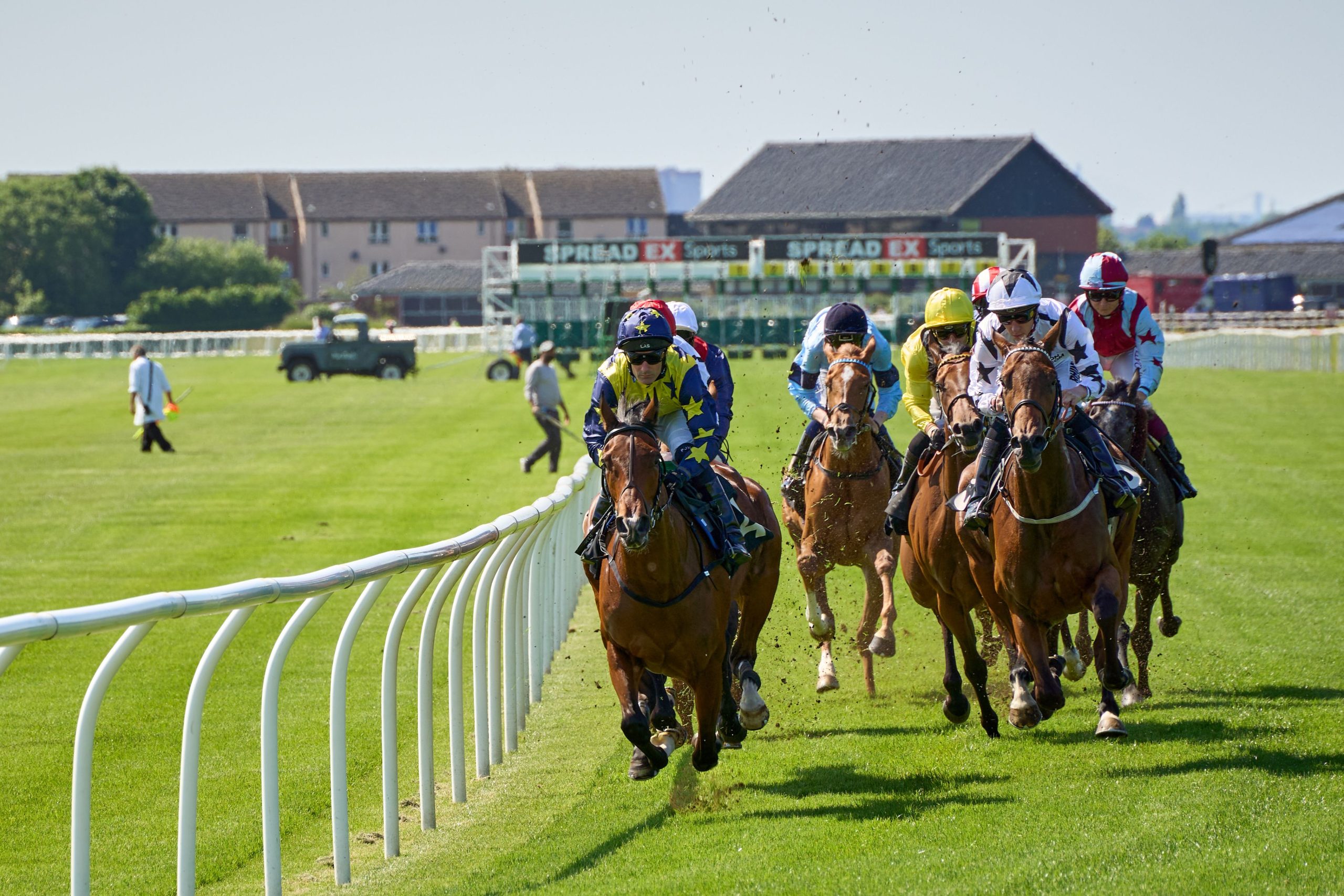
ST. LOUIS, MO - September 30, 2026 (StLouisRestaurantReview) Have you ever thought about how effective horse racing marketing is? It is so effective that the sport has stayed relevant for hundreds of years; it has built an entire culture around the sport and has the most dedicated and unique fan base.

After all, how does a person who knows nothing about horse racing still know that you are supposed to wear an enormous hat or dress up nicely at the Kentucky Derby? Well, that’s effective marketing.

Horse racing has spent generations developing something many modern brands desperately try to manufacture: recognizable rituals. Some brands don’t even know what rituals are and how they would benefit them.

If you look at events like the Kentucky Derby, which has an unofficial dress code, roses, mint juleps, calling to the post, and many other traditions, you start to get why this event feels so special for everyone.

Well, you can create the same feeling and relationship with your customers and your brand, and here is how.


Sell the Ritual, Not Just the Product


The Kentucky Derby is held for a few minutes on the first Saturday in May. Yet, it attracts more than 150,000 spectators, and everyone is going crazy on social media.

That’s because the Kentucky Derby experience lasts considerably longer.

People plan outfits weeks before the main event. Restaurants create Derby menus. House parties appear across the country, and people start talking about which horse they’re betting on.

So, do you see something unique? Churchill Downs is not selling a two-minute ticket for the event. It sells the entire Kentucky Derby experience. That’s the actual product, not the race itself.

And if we zoom out of Kentucky, we can find the same thing on many other events, like the Breeders’ Cup. The Breeders’ Cup has more races, but the highlight is often the Breeders’ Cup Classic. Everyone keeps an eye on this event and researches how to bet the Breeders’ Cup Classic, what to wear, which horse is the favorite, which is an underdog, and so on.

So, what can we learn from this? Well, if you have a retail brand, don’t ask, “What are we selling? Ask, “What does someone do with us?” and “What kind of experience can we offer, apart from the product?”

A product is a material thing that people don’t make an emotional connection to. They connect with the brand’s passion, experience, feel, and the emotions it sparks in them.

And if you already have a product, it is time to create an experience around it.


Give Customers Something They Can Participate In


Royal Ascot takes this even further.

Fashion is not merely decoration around the racing. It has become part of how visitors participate in the event. Ascot publishes its own lookbooks, maintains different dress requirements across enclosures, and builds marketing around the idea that racegoers can discover their own version of the experience. Its 2026 campaign is literally called "Find the Ascot You."

Ascot does not simply show you beautiful people wearing expensive clothes.

It quietly asks:

What are you wearing?

Retail brands can use the same principle.

Instead of treating customers as an audience for advertising, give them a visible role in the campaign. Show how people style the product differently. Create a seasonal theme people can interpret. Build something worth photographing.


Put the Product Inside the Experience


Horse racing partnerships also show how much better sponsorship works when the product is actually useful.

At the 2026 Kentucky Derby, L'Oréal Paris became Churchill Downs' first official beauty partner. Rather than simply placing its logo around the venue, it offered makeup touch-ups, product samples, and involvement in the Style Under the Spires fashion competition. Longines operated an elevated watch-shopping experience inside the Turf Club. Ford brought vehicles and a historic racing display. Woodford Reserve continued its association with the Derby's famous mint-julep culture.

Beauty products fit race-day preparation. Bourbon fits Kentucky.

Ford even has a genuine Kentucky connection through its manufacturing presence in Louisville, which Churchill Downs highlighted when the partnership originally began. 


Let People Participate Even When They Are Not There


Another useful lesson from the Derby is that the experience does not stop at the venue.

In 2026, Churchill Downs partnered with CAFÉ appliances and food personalities on a Derby-at-home campaign designed for people hosting their own parties away from Louisville. Recipes, entertaining ideas, and home experiences extended the event into kitchens across the country.

Only a limited number of people can physically attend Churchill Downs.

Almost anyone can make a drink, wear something ridiculous, and shout at a television for two minutes.

A fashion launch does not have to belong only to the 200 people invited to the room. A restaurant opening can provide recipes or home versions online. A travel brand can let followers recreate part of a destination experience. A beauty event can become a tutorial series. 


Build a World With Consistent Visual Codes


Keeneland shows the quieter version of the same idea.

Its brand is extraordinarily consistent. Limestone architecture, dark green, thoroughbred imagery, and an emphasis on tradition appear throughout the racing, sales, and visitor experience.

More importantly, its campaigns repeatedly return to the institution's central idea: the horse.

Keeneland's current "A Horse Is Measured in Hands" campaign uses the familiar equine unit of measurement as a metaphor for the human hands involved in breeding, racing, and caring for Thoroughbreds. The campaign connects directly to Keeneland's stated mission of supporting the horse and the wider industry.

That is what brand consistency looks like when it is done properly. It does not mean putting the same logo in the top-left corner for 17 years. It means people should recognize what the brand believes before the logo appears.


Final Thoughts


So, if we take a step back, we can see that horse racing’s best marketing campaigns work because they understand that people rarely fall in love with products. They fall in love with occasions and experiences that spark emotions.

Once you learn this formula, the experience that your brand offers will become your main product. https://stlouisrestaurantreview.com/winning-the-inbox-on-race-day-how-retail-and-lifestyle-brands-can-learn-from-horse-racing-campaigns/


Solo Dining in St. Louis: Why More Tables Are Set for One
ST. LOUIS, MO - September 30, 2026 (StLouisRestaurantReview) Walk into a St. Louis restaurant on a weeknight, and you will likely spot a table set for one, phone propped against the water glass. Sometimes the screen shows a game highlight. Sometimes it is a video call with a parent back home or a friend three states away, both of them eating dinner together without sharing a zip code.

That habit did not start with a marketing campaign. It grew out of two years when a video call was often the only way to share a meal with anyone outside your own household, and the habit never fully disappeared once restaurants reopened. Solo dining kept climbing anyway.


From Pandemic Necessity to Standing Habit


OpenTable has reported that reservations for a table of one rose 23 percent over a recent twelve-month stretch, with solo diners spending more per check than the average group. Restaurant staff around St. Louis describe the same pattern anecdotally: more single diners at the bar on a Tuesday, more people asking for a booth instead of a two-top by the window, more comfort with eating in public without a companion sitting across the table.

Omegle, the site that had let strangers video chat at random since 2009, shut down for good on November 8, 2023, after its founder said the platform had grown too costly and too dangerous to keep running amid lawsuits over child safety. Its closure left a gap that a handful of moderated, subscription-based services moved to fill. Anyone comparing what came after tends to land on the same shortlist, and a guide covering what to try instead of CooMeet usually walks through verification steps, cost per minute, and how fast a human moderator responds to a report. Video chat as a category did not shrink after Omegle closed. It just moved toward platforms that ask more of their users up front.


Where St. Louis Sets a Table for One


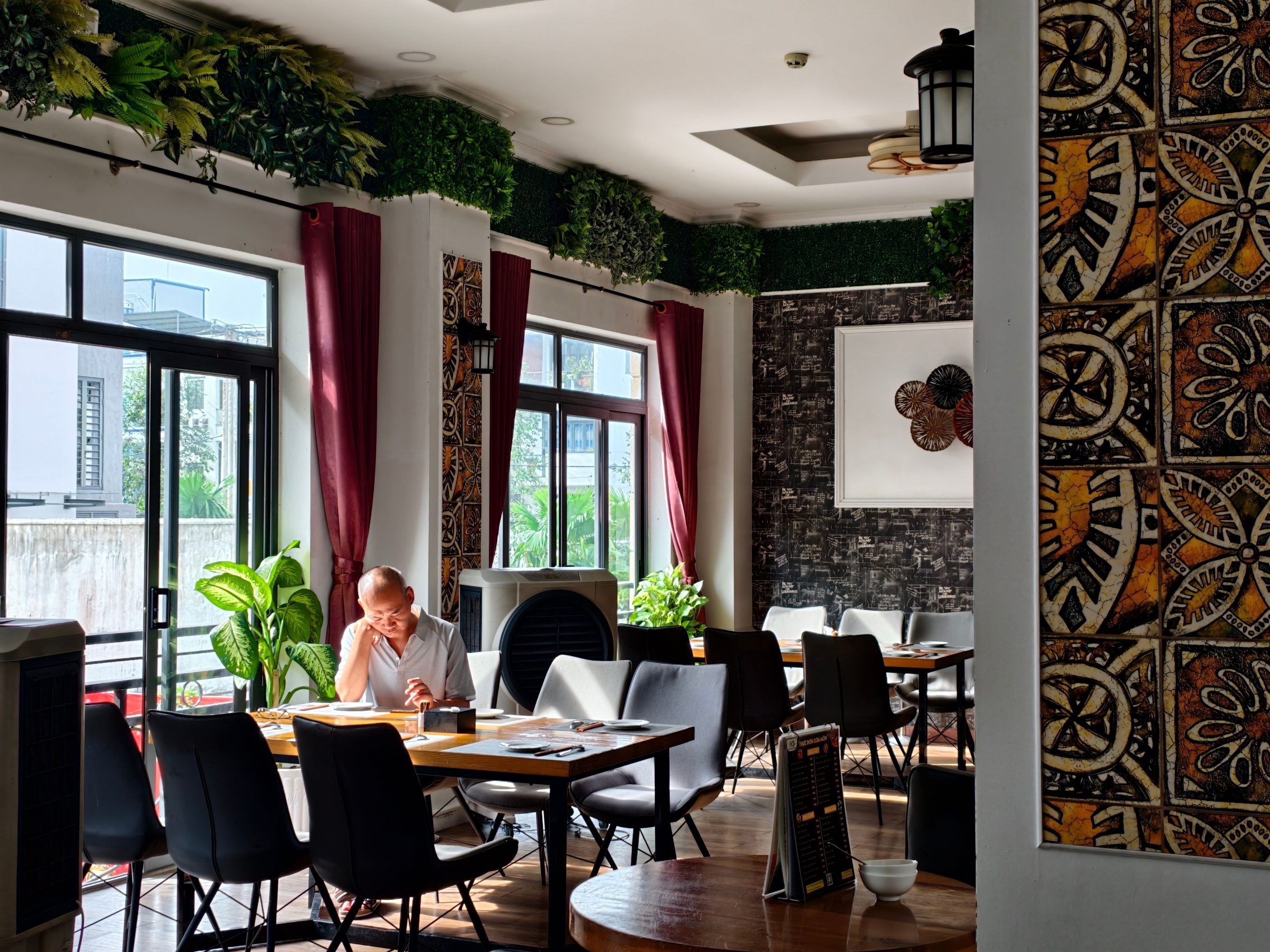
Local spots that work for a solo meal tend to share a few traits: counter or bar seating, a menu that does not force you to order for two, and a room that does not feel empty at 6 p.m. on a Tuesday. Yummy Rice Noodle in University City is a good example. After a renovation, the owners added pickup and delivery through eOrderSTL alongside the dining room, and the staff will say the redesigned space works whether you are dining solo, sharing a family meal, or meeting friends for a relaxing evening over a bowl of Crossing the Bridge rice noodle soup.

Diner counters do the same job in a different register. A stool at Jenny's Diner in Chesterfield or a booth at Beto's King Burrito in St. Charles puts a solo customer in the middle of the room instead of tucked in a corner, a small design choice that changes how comfortable an hour alone actually feels. Scrambled Eggs Restaurant in Weldon Spring and Tasty Bowl in O'Fallon, Illinois work the same way, with casual rooms and staff who do not treat a party of one as an afterthought. None of that requires a screen at all. It just means the restaurant already expected someone to show up by themselves.


Takeout Built Around a Shared Screen


The video call habit and the solo dining habit overlap most on nights when eating together in person is not an option: a long-distance relationship, a friend group scattered across time zones, a parent checking in on a kid away at school. The food itself still has to come from somewhere, and St. Louis takeout has adapted to that pattern the way it adapted to online ordering more broadly over the past several years.

St. Louis Restaurant Review has covered the broader shift toward pairing a takeout order with something to do on screen at the same time, from streaming a show to running a co-op video game session while the food cools on the coffee table. The same logic applies when the other person on the call is not in the room. Order toasted ravioli from a Hill institution or a thin crust pizza cut into squares, set up the call, and eat on a schedule that has nothing to do with either person's actual time zone.


A Few Ground Rules for Eating on Camera


Restaurants that cater to solo diners have quietly worked out the etiquette: keep the phone propped rather than handheld, use headphones so the call does not carry to nearby tables, and step outside if the conversation gets loud. The same courtesy holds at home. A video call is not a reason to skip basic care with lighting, background noise, or who else can see the screen, especially on any platform that connects you to someone outside your existing contacts.

That last point matters more with a stranger on the other end of the call than with a familiar face. Sites built for random video chat generally publish their own moderation and reporting policies, and reading them before signing up takes a few minutes. A meal is a long stretch of unbroken camera time, longer than most video calls, which is reason enough to know how a platform handles a report before you ever need to file one. It is a small piece of homework, closer to reading delivery reviews before ordering than anything technical.

None of this is really about the technology. It is about a table that used to require a second person, now working fine with one, plus a screen that fills in the rest when the company someone wants is not in the same city. St. Louis restaurants that lean into solo seating and easy takeout are simply meeting people where that habit already lives, one bowl of noodles or one plate of ravioli at a time. The next time a table for one feels like a compromise, it is worth remembering how many people around the city are quietly doing the same thing, with or without a screen propped against the glass. https://stlouisrestaurantreview.com/solo-dining-in-st-louis-why-more-tables-are-set-for-one/

Saturday, September 26, 2026


Starbucks Closing Two St. Louis-Area Stores
ST. LOUIS, MO - September 26, 2026 (StLouisRestaurantReview) Starbucks is closing two St. Louis-area coffeehouses as part of a nationwide reduction of approximately 250 North American locations, including a nearly new drive-thru restaurant in Marlborough that opened less than a year ago.

The two local locations are at 6621 Delmar Blvd. in University City’s Delmar Loop and 7901 Watson Road in Marlborough.

While the closure of the long-established Delmar Loop coffeehouse is significant for one of the region’s best-known restaurant and entertainment districts, the Marlborough closure stands out for another reason: the purpose-built Starbucks opened in November 2025 and occupies commercial property that was marketed to investors with a corporate-guaranteed 15-year lease.

Starbucks announced Sept. 24 that it had reviewed its North American coffeehouse portfolio and identified approximately 250 locations for closure.

Mike Grams, Starbucks chief operating officer, said the company identified locations where it did not believe it could consistently deliver the experience it wanted for customers and employees or where it did not see a path to acceptable financial performance.

The company has not publicly identified which consideration applied to either St. Louis-area store, and no verified basis exists to attribute the local closures specifically to sales, rent, competition, or another individual factor.

The closures represent approximately 1% of Starbucks’ more than 18,000 North American coffeehouses.


Nearly New Marlborough Starbucks Is Closing


The closure at 7901 Watson Road is particularly notable from a restaurant and commercial real estate perspective.

The approximately 2,236-square-foot freestanding Starbucks was constructed in 2025 on roughly 1.22 acres and features a drive-thru. The coffeehouse opened in November 2025, meaning the location is closing less than a year after opening.

The site is near the intersection of Watson and Laclede Station roads in south St. Louis County.

Commercial real estate marketing materials described the property as a new Starbucks built using the company's modern prototype design.

More significantly, those materials marketed the property with a 15-year triple-net lease backed by a Starbucks corporate guarantee, including scheduled 10% rent increases every five years.

That long-term lease was a central feature in marketing the property to real-estate investors.

Newmark’s first-quarter 2026 St. Louis retail market report subsequently recorded the Starbucks property at 7901 Watson Road as selling for approximately $3.164 million, or roughly $1,415 per square foot.

Local property reporting identified the buyer as ARB Venture Properties LLC, an entity affiliated with California-based real-estate firm ARB Laurel LLC. Clayton-based Middle Fork Creek Capital developed the site.

The circumstances create an unusual situation: a property constructed specifically for Starbucks and sold as a long-term, corporate-backed restaurant investment is losing its operating Starbucks less than a year after the coffeehouse opened.

However, an important distinction remains.

The closure of the Starbucks coffeehouse does not necessarily mean Starbucks has been released from its lease obligations.

Publicly available information reviewed by St. Louis Restaurant Review does not establish whether Starbucks can terminate the lease early, whether it will continue paying rent after the restaurant closes, or whether the parties have reached another arrangement.

Without access to the complete lease or a statement from the parties, those financial obligations cannot be determined.


Delmar Loop Starbucks Also Closing


The other closure affects the Starbucks at 6621 Delmar Blvd. in University City, at the corner of Delmar Boulevard and Leland Avenue in the Delmar Loop.

Unlike the relatively new Marlborough store, the Delmar location has been part of an established pedestrian-oriented restaurant, retail, and entertainment district.

The location sits across from Vintage Vinyl and near numerous restaurants, cafés and entertainment businesses.

Local reporting based on Starbucks' store information and contact with the location identified the store for closure as part of the current round of reductions.

The Loop also has a substantially different competitive environment from the Watson Road location.

Customers walking Delmar Boulevard have access to independent coffeehouses, cafés, restaurants and other beverage concepts. That gives consumers considerably more choices within a relatively compact area.

However, Starbucks has not said competition caused the Delmar location to close.

That distinction is important. Nearby coffee businesses provide context for the local restaurant market but should not be interpreted as evidence explaining Starbucks' decision.


Starbucks Is Closing About 250 Coffeehouses


The St. Louis closures are part of a much larger portfolio review.

Starbucks announced that approximately 250 North American coffeehouses would close in late September after the company evaluated individual locations.

The closures come as Starbucks continues implementing its broader Back to Starbucks strategy, which is intended to improve the customer experience and strengthen the traditional coffeehouse atmosphere associated with the brand.

At the same time, Starbucks is investing heavily in other locations.

Starbucks announced Sept. 23 that it had completed redesigns of more than 1,000 coffeehouses across the United States and Canada since late 2025.

The company is working toward approximately 1,500 coffeehouse upgrades.

Those redesigned locations include changes such as softer seating, different lighting, artwork, greenery, and redesigned coffee bars intended to encourage customers to spend more time inside the stores.

The strategy demonstrates that the current closures are better understood as a portfolio restructuring rather than a general withdrawal from the coffeehouse business.


Starbucks Sales Have Been Growing


The closures also come as Starbucks' North American comparable-store sales have improved.

For the company's fiscal third quarter ended June 28, 2026, Starbucks reported that North American comparable-store sales increased 8.1%.

Comparable transactions increased 4.5%, while the average customer ticket increased 3.5%.

In the United States specifically, comparable-store sales increased 7.9%, driven by a 4.2% increase in transactions and a 3.6% increase in average ticket.

North American segment revenue increased approximately 7% to $7.4 billion for the quarter.

Those numbers are important when examining the St. Louis closures.

They show that Starbucks is not simply shutting restaurants because the overall North American business is experiencing falling comparable sales. Instead, the company is reviewing individual stores while simultaneously reporting stronger comparable-store performance across the broader system.

Starbucks had 18,371 North American stores at the end of its fiscal third quarter, including company-operated and licensed locations.


Two Very Different St. Louis Locations


The two St. Louis-area closures illustrate how restaurant companies continually evaluate stores even when those restaurants operate in dramatically different environments.

The Delmar Loop Starbucks occupies an established urban commercial district built heavily around restaurants, entertainment, and pedestrian traffic.

The Marlborough store represents the opposite model: a recently constructed freestanding suburban restaurant with a drive-thru, substantial parking and direct exposure to Watson Road traffic.

Yet both were selected for closure during the same portfolio review.

That is noteworthy for the St. Louis restaurant industry because drive-thru locations have become especially important to many national restaurant and beverage chains.

The Marlborough property was designed around that model and marketed as a long-term Starbucks investment.

Its rapid closure demonstrates that new construction, drive-thru access and even a long-term corporate lease do not necessarily guarantee that a restaurant will continue operating at a particular property.


What Happens to the Watson Road Property?


One of the biggest unanswered local questions is what happens next at 7901 Watson Road.

The property is relatively new, has a drive-thru, and was built for restaurant use. Those characteristics could make it attractive for another restaurant, coffee company, or quick-service operator if Starbucks ultimately vacates the building completely and the property becomes available.

But no replacement tenant has been announced.

No verified public information shows that the property is currently being marketed for lease to another restaurant operator.

Until the lease situation is clarified, speculation about a replacement would be premature.

The existing Starbucks lease is particularly important because commercial marketing materials described it as a rare 15-year triple-net arrangement with a corporate guarantee and scheduled rent increases.

Under a typical triple-net lease structure, a tenant assumes responsibility for various property expenses in addition to rent, but the specific terms governing this property can be determined only from the lease agreement.

For that reason, St. Louis Restaurant Review is not assuming that the restaurant closure automatically terminates Starbucks' financial obligations to the property owner.


Employees Affected by Starbucks Closures


Starbucks said it would attempt to place employees from closing locations in other nearby coffeehouses where positions are available.

The company said employees who cannot be transferred would receive severance support.

Starbucks has not publicly provided a store-by-store employee count for the two St. Louis-area locations.

The company also said union status was not a factor in deciding which coffeehouses to close.


St. Louis Coffee Market Remains Competitive


The closures do not mean Starbucks is disappearing from St. Louis.

The company continues to operate numerous locations throughout the metropolitan area, including traditional freestanding stores, drive-thru locations and licensed Starbucks operations inside other retailers.

The broader St. Louis coffee market also includes a significant collection of locally owned coffeehouses and regional operators competing with national brands.

For restaurant operators, landlords and commercial real-estate investors, however, the Marlborough closure provides an especially interesting case study.

A newly constructed drive-thru restaurant backed by one of the world's largest coffee companies opened in late 2025. The property was marketed with a 15-year corporate-guaranteed lease and subsequently sold for more than $3 million.

Less than a year after the coffeehouse opened, Starbucks decided to close it.

What remains unknown—and potentially more consequential for the property's owner—is what happens to that long-term lease.

For customers, meanwhile, the immediate effect is more straightforward: Starbucks is eliminating two very different St. Louis-area coffeehouses as the company reshapes its North American store portfolio.

The Delmar Loop loses a familiar national coffee brand from one of the region's most recognizable commercial corridors, while Marlborough loses a Starbucks that had barely begun operating.

Both closures are part of a national strategy, but the circumstances surrounding the Watson Road property make that location an unusually notable restaurant real estate story for the St. Louis market.

Read St. Louis Restaurant Business News at St. Louis Restaurant Review (STLRR) https://stlouisrestaurantreview.com/starbucks-closing-two-st-louis-stores/

Wednesday, September 23, 2026


The Role of Premium Materials in Modern Restaurant Design
ST. LOUIS, MO - September 23, 2026 (StLouisRestaurantReview) Designing a restaurant isn't just about picking out nice furniture and colors. The materials you use can really make or break the vibe of the place. Think about it - everything from the tables and chairs to the menus and little decorations on the tables can affect how customers feel about the quality and atmosphere of your business. If you choose your materials wisely, you can create a space that feels put together and leaves a lasting impression on your guests. It's about finding the right balance and making sure everything works well together to create a unique, memorable experience.

As competition in the hospitality industry grows, restaurants are paying closer attention to the small details that shape the overall guest experience. Premium materials can play an important role in creating a distinctive identity while also providing practical benefits.


Why Materials Matter in Restaurant Interiors


Guests interact with many physical elements during a restaurant visit. They touch menus, move chairs, use cutlery, handle check presenters, and notice the surrounding surfaces. The quality of these elements can influence their perception of the establishment.

Natural materials such as leather and wood are particularly popular in restaurants looking to create a warm, sophisticated atmosphere. Acrylic, meanwhile, can offer a clean, contemporary look that works well in modern interiors.

The choice of materials can help communicate a restaurant's positioning:

Natural wood can create a warm, organic, and welcoming atmosphere.


Real leather can add a classy look and feel high-end.


Acrylic can support minimalist and contemporary design concepts.


High-quality finishes can reinforce attention to detail throughout the venue.

Using the same or complementary materials across different elements can also help create visual consistency.


Premium Materials Beyond Furniture


When designing a restaurant, people usually think about the big things like lighting, seats, walls, and floors. But smaller details can be just as important in bringing the whole place together.

When you're dining out, you notice all sorts of little things on the table, like menu covers, menu holders, check presenters, table signs, placemats, napkin holders, and more. These items might be small, but they get handled a lot and can really add to a restaurant's overall sense of quality. They're a big part of the dining experience, even if they're not the main event. By paying attention to these details, restaurants can show customers they care about the little things, which can make a big difference in how people feel about their meal.

For instance, a fancy restaurant might feel that plain paper menus or cheap plastic stuff doesn't quite match the vibe. Swapping them for well-designed pieces made from leather, wood, or acrylic can make the whole place look more put together. This way, everything from the menus to the accessories will have a consistent look and feel that fits the restaurant's style.


Combining Aesthetics With Durability


Premium materials are not only about appearance. Restaurants need products that can withstand frequent use, cleaning, handling, and occasional spills.

This makes material selection particularly important for busy hospitality businesses. A well-made menu cover, for instance, should maintain its appearance despite being handled by numerous guests and staff members every day.

When selecting accessories, restaurants can consider several practical factors:

Resistance to everyday wear and frequent handling


Ease of cleaning and maintenance


Construction quality and durability


Compatibility with the restaurant's existing interior


Possibility of replacing or updating inserts

The right mix of design and functionality keeps premium accessories attractive while meeting the demands of daily restaurant operations.


Creating a Consistent Brand Identity


Materials can also become an important part of restaurant branding. A business may use a particular combination of colors, textures, and finishes to create a recognizable visual identity.

Custom-made accessories can take this concept further. Logos, engraved details, debossing, specific colors, and carefully selected materials can turn functional products into branded elements of the dining environment.

For restaurants, hotels, and cafes, a consistent look and feel is essential. One way to achieve this is by working with a manufacturer that can provide both standard and custom-made products. Take Inko Horeca, for instance - they make all sorts of hospitality accessories using natural materials like leather, wood, and acrylic. Best of all, they also offer customization options, so you can add your own unique designs and branding to their products. This makes it much easier to keep your business looking consistent and professional.


Investing in the Details


You don't have to break the bank to make your restaurant look high-end. It's all about choosing the right spots for high-quality materials, so they really make a difference for your customers. This way, you can create a great impression without overspending. By focusing on the areas that matter most to your guests, you can get the best bang for your buck and make your restaurant feel premium without using expensive materials everywhere.

Tabletop products are particularly effective because guests interact with them directly. A well-crafted menu cover or elegant check presenter can complement the interior while reinforcing the restaurant's attention to detail.

Good restaurant design is all about how different things come together. High-quality materials can add texture, last longer, and look great. It's also a chance to show off your brand. When you use these good qualities throughout, even small details can make a big difference in how people enjoy their meal. Things like nice tables, comfortable chairs, and pretty decorations can all add up to create a great atmosphere.

For modern hospitality businesses, thoughtful material selection is therefore not simply a design decision. It is a practical way to connect interior aesthetics, functionality, and brand identity in a single cohesive environment.

Read St. Louis Restaurant News and Reviews at St. Louis Restaurant Review https://stlouisrestaurantreview.com/role-of-premium-materials-modern-restaurant-design/

Tuesday, September 22, 2026


Flying Biscuit Plans Major St. Louis Expansion
ST. CHARLES, MO - September 22, 2026 (StLouisRestaurantReview) A locally operated franchise group is preparing to introduce Atlanta-born Flying Biscuit Café (FBC) to the St. Louis metropolitan area, beginning with a restaurant in St. Charles and potentially laying the groundwork for a much larger regional expansion.


FBC has signed a lease for its first Missouri restaurant at 1016 S. Fifth St. in St. Charles, less than a mile from Interstate 70 and near Lindenwood University. The breakfast and brunch concept is targeting a fourth-quarter 2026 opening, although an exact date has not been announced.


The St. Charles restaurant will be operated by franchise partners Latrell Hayes, Kennon “Kip” Barber and Randy Barnes, according to Flying Biscuit. The company announced that the group entered into a multi-store development agreement covering an initial three Flying Biscuit cafés in the St. Louis market.


The ambitions extend beyond those first three restaurants.


Flying Biscuit says the franchise partners have a longer-term goal of developing as many as 10 locations across the St. Louis metropolitan area.


That makes the St. Charles restaurant potentially much more significant than another national restaurant franchise entering the market. If the development plans move forward as envisioned, Flying Biscuit could eventually establish a sizable new breakfast and brunch presence throughout the St. Louis metro area.

Flying Biscuit will be locally operated


Flying Biscuit itself is not a St. Louis company. The concept originated in Atlanta in 1993, and Flying Biscuit Franchising Inc. is based in Sandy Springs, Georgia.


The St. Charles restaurant, however, is being developed by franchisees with existing ties to the St. Louis region.


Flying Biscuit identifies Hayes, Barber and Barnes as the franchise partners behind the St. Louis expansion. The company says Hayes and Barber already have multi-unit restaurant operating experience through Jersey Mike’s.


That regional connection can also be independently documented. A 2025 Jersey Mike’s franchise disclosure document lists Latrell Hayes in connection with Progressive Ventures LLC at a St. Ann, Missouri, business address and Kennon Barber in connection with GEASS LLC at a St. Charles, Missouri, business address.


Flying Biscuit describes Hayes and Barber as owners and operators of three Jersey Mike’s restaurants.


Because Flying Biscuit's description of their operating performance comes from the franchisor, St. Louis Restaurant Review is not independently characterizing those restaurants' financial performance.


What is clear is that Flying Biscuit is entering Missouri through franchise partners who already have restaurant operating experience in the St. Louis region.

First restaurant coming to St. Charles


The group selected 1016 S. Fifth St. for its first Flying Biscuit.


The location puts the restaurant near a primary Interstate 70 entrance into St. Charles, as well as Lindenwood University and the city's established residential and commercial areas.


Hayes said familiarity with the area played a role in selecting the location.


“This is a part of town we already know well, and it just fit,” Hayes said in Flying Biscuit's lease announcement.


He cited the restaurant's location near I-70 and Lindenwood University and said the franchise group hopes Flying Biscuit becomes part of customers' regular morning routines in St. Charles.


The lease was announced publicly in August.


Flying Biscuit's official St. Charles webpage now lists the restaurant at 1016 S. Fifth St. and identifies it as “Opening Q4 2026.” Operating hours remain listed as “TBA.”


Consequently, customers should not interpret the fourth-quarter target as a confirmed grand-opening date. Construction, permitting, equipment installation, hiring and other pre-opening work can affect restaurant opening schedules.

St. Charles is first of at least three planned cafés


The more important development for the broader St. Louis restaurant market is the franchise group's multi-unit agreement.


According to Flying Biscuit, Hayes, Barber and Barnes entered into the agreement in November 2025, committing to develop three cafés initially.


The St. Charles lease represents the first publicly identified location under that agreement.


Locations for the second and third restaurants have not been publicly announced by Flying Biscuit.


The franchisor says the partners' longer-range objective is to expand to as many as 10 Flying Biscuit cafés across the St. Louis metropolitan area over time.


A goal of 10 restaurants should not be confused with a commitment to build all 10. At this stage, the company describes three cafés as covered by the development agreement and 10 as the group's longer-term expansion goal.


Nevertheless, the agreement demonstrates that Flying Biscuit's Missouri entry was designed as a multi-unit expansion rather than a test involving only one restaurant.

Missouri marks a geographic milestone


The St. Charles opening will also represent an important geographic step for the Flying Biscuit brand.


Flying Biscuit describes the Missouri restaurant as its first café outside its core Southern footprint.


When the company originally announced the St. Louis development agreement, it called it its first agreement north of the Mason-Dixon line.


Flying Biscuit reported in its August announcement that it had 43 cafés open and 11 additional restaurants in development, with operations or development activity across several Southern states.


The St. Louis market therefore represents an effort to take a concept built largely in the Southeast and establish it in a Midwestern metropolitan market.


The performance of the St. Charles restaurant and the subsequent St. Louis-area locations could provide an early indication of how well the Southern-inspired breakfast concept translates into markets outside the company's traditional territory.

What is Flying Biscuit Café?


Flying Biscuit traces its history to 1993, when it opened its first café in Atlanta's Candler Park neighborhood.


Breakfast remains central to the concept.


Flying Biscuit promotes an all-day breakfast menu featuring Southern-inspired comfort food, along with lunch selections.


Its signature offerings include biscuits served with cranberry apple butter, shrimp and grits, stuffed French toast, omelets, and other breakfast dishes. The menu also includes vegan scrambles, burgers, wraps and other selections.


Many existing Flying Biscuit restaurants also offer brunch-oriented alcoholic beverages, including mimosas and Bloody Marys.


Flying Biscuit says its restaurants bake thousands of biscuits every week, underscoring the product that has remained central to the brand since its beginning more than three decades ago.


The company generally focuses on the breakfast and lunch dayparts rather than remaining open through dinner, an operating model it actively promotes to prospective franchisees.

Flying Biscuit reports $2 million-plus average sales


Flying Biscuit's expansion strategy is built largely around franchising, and the company publishes financial information intended for prospective franchise operators.


According to Flying Biscuit's current franchise-development materials, the initial franchise fee is $50,000, while the estimated total investment ranges from approximately $468,000 to $1.17 million.


The franchisor lists a minimum liquid-capital requirement of $200,000.


Flying Biscuit also reports average annual unit volume of $2,036,644 among 30 stabilized restaurants that had been open and operating for at least 24 months.


That figure represents gross sales and comes from Item 19 of Flying Biscuit's franchise disclosure document dated May 7, 2026.


The number should not be interpreted as a projection for the future St. Charles restaurant. Flying Biscuit specifically cautions prospective franchisees that individual results vary and that no assurance exists that another restaurant will achieve the reported average.


No revenue projections or expected sales figures have been publicly announced for the St. Charles restaurant.

Experienced franchise operators enter breakfast market


The involvement of experienced franchise operators is noteworthy because breakfast and brunch have developed into a competitive restaurant segment across metropolitan St. Louis.


The Flying Biscuit franchisees will enter a market with independent breakfast restaurants, locally based concepts, and national chains.


Their experience with Jersey Mike's gives at least two group members familiarity with multi-unit restaurant operations, staffing, food service, and franchise systems.


Flying Biscuit emphasized that experience when announcing its agreement with the partners.


The St. Louis development therefore represents an expansion into a different restaurant category for operators with experience in a national franchise system.

Why St. Charles makes sense as the starting point


St. Charles gives the franchise group a combination of highway access, residential population, employment, tourism, and university traffic.


The South Fifth Street corridor connects directly with Interstate 70 and serves as an important gateway between the interstate and historic St. Charles.


Lindenwood University is nearby, while the greater St. Charles area provides a sizable residential customer base.


Flying Biscuit has specifically pointed to I-70 access, Lindenwood University and the franchise group's familiarity with the neighborhood when discussing the site selection.


Those characteristics are particularly relevant for a concept focused on breakfast and lunch, when convenience, visibility, and morning traffic matter.


The restaurant's actual performance, however, will ultimately determine whether those site characteristics translate into customer traffic.

A new competitor in St. Louis breakfast and brunch


Flying Biscuit will enter a St. Louis restaurant market where breakfast and brunch have become important dining occasions.


The company will have to introduce a brand that is well established in portions of the Southeast but remains largely unfamiliar to Missouri diners.


That presents both an opportunity and a challenge.


The menu's Southern identity gives Flying Biscuit a recognizable point of differentiation. Biscuits, grits, shrimp and grits, stuffed French toast, and other comfort-food dishes are central to the company's marketing.


At the same time, St. Louis diners already have numerous independent breakfast and brunch choices.


Flying Biscuit's locally based franchise operators will therefore be responsible for translating an established Southern franchise concept into a new Midwestern market.

Expansion could reach across metro St. Louis


Perhaps the biggest unanswered question is where Flying Biscuit will go next.


The company has confirmed the initial three-café development agreement, but it has not publicly announced addresses for restaurants two and three.


It also has not identified the communities it could eventually consider if the franchise group pursues its longer-term goal of as many as 10 restaurants.


For now, the only confirmed St. Louis-area site is St. Charles.


That distinction is important. The three-store agreement establishes a multi-unit development plan, while the possible 10-location footprint remains a longer-term objective rather than 10 announced restaurants.


Additional site announcements will clarify whether the franchisees intend to concentrate initially in St. Charles County or spread development more broadly across the Missouri and Illinois sides of metropolitan St. Louis.

Opening planned for late 2026


Flying Biscuit's official website continues to identify the St. Charles restaurant as opening during the fourth quarter of 2026.


The restaurant will be located at:


Flying Biscuit Café


1016 South Fifth Street


St. Charles, MO 63301


The company has not announced the restaurant's final operating hours or a specific opening day.


When it does open, St. Charles will become Flying Biscuit's first Missouri market and the starting point for what its local franchise partners hope will become a much larger St. Louis-area operation.


For St. Louis diners, that means the first Flying Biscuit is coming to St. Charles.


For the local restaurant industry, the bigger story may be what happens after restaurant No. 1 opens its doors.

Read St. Louis Restaurant News and Reviews at St. Louis Restaurant Review https://stlouisrestaurantreview.com/flying-biscuit-st-louis-expansion/


Maize & Wheat Faces Closure Over Rent Increase
BRENTWOOD, MO - Sept. 22, 2026 (StLouisRestaurantReview) Maize & Wheat Colombian Café, a family-run restaurant that grew from a St. Louis-area festival stand into a permanent showcase for Colombian cuisine, is preparing to close its Brentwood restaurant next month unless its owner and landlord can agree on a new lease.


Owner Claudia Marcella Niswonger told St. Louis Magazine that Maize & Wheat is scheduled to close Oct. 17, when its current lease expires.


The reason is particularly significant for the St. Louis restaurant community.


Niswonger says business remains steady. The problem, according to her, is that sales aren't strong enough to support the rent increase proposed for a new lease.


“The numbers are pretty far apart,” Niswonger told St. Louis Magazine about the negotiations.


Unless they can close that gap, nearly five years of operating Maize & Wheat at 1912 S. Brentwood Blvd. could end Oct. 17.


The situation illustrates one of the difficult realities confronting independent restaurants: A restaurant does not necessarily have to lose its customers to lose its location.


Rent, labor, food, insurance, utilities, maintenance, and other operating expenses must all fit within a restaurant's economics. When one major fixed expense changes substantially, even an established operation with regular customers can be forced to reconsider whether remaining in the same location makes financial sense.


In Maize & Wheat's case, however, one important number remains unknown.


Neither Niswonger's current rent nor the landlord's proposed new rent has been publicly disclosed. The percentage increase also has not been made public.


For that reason, St. Louis Restaurant Review is not characterizing the proposed increase as excessive or determining whether the landlord's proposed terms are above or below the prevailing commercial market.


What is documented is Niswonger's position: Business remains steady, but the restaurant cannot support the proposed increase under the terms currently being discussed.

Maize & Wheat remains open for now


The restaurant has not closed.


Maize & Wheat remains open at 1912 S. Brentwood Blvd., and Oct. 17 is the planned closing date if the lease negotiations are unsuccessful.


That distinction matters because the restaurant and landlord could still reach an agreement.


Maize & Wheat's current hours are 9 a.m. to 8 p.m. Monday through Saturday and 10 a.m. to 5 p.m. Sunday.


The restaurant also continues to promote online ordering and catering on its website.


Niswonger told St. Louis Magazine that the restaurant maintains a brisk catering business and recently catered for the Chicago White Sox while the team was in St. Louis.


The continuation of that catering business adds another dimension to the situation.


This is not simply an announcement from a restaurant that says it has run out of customers or ceased doing business. Instead, the future of the physical Brentwood restaurant depends on whether the economics of a new lease work for the independently owned operation.

A restaurant that began at St. Louis festivals


The potential closing would end a Brentwood location with roots that extend well beyond its December 2021 opening.


Maize & Wheat traces its beginnings to 2017.


Before there was a permanent restaurant, Niswonger and her family operated El Fogón Colombian, serving traditional Colombian dishes at Hispanic, international, and other festivals around the St. Louis region.


Maize & Wheat's own company history confirms that the family began offering Colombian food through St. Louis-area festivals in 2017.


The idea had deeply personal roots.


Niswonger, a native of Colombia, had moved to St. Louis and found herself missing the traditional foods she knew from home.


When St. Louis Magazine interviewed her while she was preparing the restaurant in 2021, Niswonger recalled asking her husband where she could get an empanada in St. Louis.


The limited options inspired an idea.


She began developing traditional Colombian recipes, even though she had never worked as a professional cook.


What started as a family festival operation eventually attracted a following.


Customers repeatedly asked where they could find the restaurant behind the food stand.


There wasn't one.


Eventually, Niswonger decided there should be.

Family tragedy became part of the story


The path from festival vendor to restaurant owner was not straightforward.


Niswonger developed El Fogón with members of her family, including her daughter, son, and son-in-law.


Then her son died unexpectedly in 2019.


Niswonger later described the loss as she discussed her decision to continue pursuing the restaurant.


She faced a choice between abandoning the food business the family had built together or continuing it.


She continued.


When plans for Maize & Wheat emerged in 2021, Niswonger described the restaurant not simply as a business venture but as something connected to her family, her son and the city she had come to consider home.


The restaurant ultimately opened in Brentwood in December 2021.


For Niswonger, opening a permanent restaurant marked the shift from a festival operation to a place where customers could enjoy a broader selection of Colombian cooking year-round.

Maize and wheat explain the restaurant's name


Even the restaurant's name reflects the food it was created to showcase.


“Maize” represents the corn at the heart of Colombian arepas.


“Wheat” represents the restaurant's empanadas.


Those two foods became central to the concept, but the menu eventually expanded into a broader introduction to Colombian cuisine.


Maize & Wheat serves arepas with numerous fillings, along with empanadas, soups, meats, plantains, and traditional Colombian entrées.


The menu includes dishes such as bandeja paisa, churrasco, sancocho, and picada Colombiana.


Bandeja paisa is one of Colombia's best-known dishes and typically combines several components into a substantial meal.


Sancocho represents another side of Colombian cooking: a hearty soup with numerous regional variations.


Picada Colombiana similarly emphasizes the shared, abundant nature of traditional Colombian dining, combining multiple meats and accompaniments.


The restaurant has also served fried plantains, yuca, Colombian-style soups, coconut lemonade, tres leches and arroz con leche.


That breadth has helped Maize & Wheat function as more than a place to buy arepas and empanadas.


It has provided St. Louis-area diners with exposure to a cuisine that remains considerably less common locally than Mexican, Italian, Chinese, or other widely represented restaurant categories.

Colombian cuisine varies considerably by region


Niswonger has also acknowledged one of the challenges of representing an entire country's cuisine.


Colombian food is highly regional.


The country's geography and history have produced significant differences in ingredients, cooking techniques, and familiar dishes from one region to another.


Maize & Wheat's own description of Colombian cuisine points to Indigenous, European and Afro-Caribbean influences and the country's distinct culinary regions.


That means two customers who both grew up in Colombia may have very different expectations about how a particular Colombian dish should taste.


Niswonger told St. Louis Magazine that most customers like the restaurant's cooking but acknowledged that Colombian diners sometimes remember versions of dishes that differ from what Maize & Wheat prepares.


For a restaurant presenting a cuisine with relatively limited representation in St. Louis, those expectations can be particularly challenging.


At the same time, they underscore why restaurants such as Maize & Wheat matter to a metropolitan dining community.


They add culinary diversity while creating opportunities for customers unfamiliar with Colombian cooking to experience it locally.

Maize & Wheat found a permanent home in 2021


Maize & Wheat opened at 1912 S. Brentwood Blvd. in December 2021.


The standalone building already had a history as a restaurant location.


Previous occupants included Applegate's Deli, Einstein Bros. Bagels, Dickey's Barbecue Pit, and the Funnel Cake Factory.


When Niswonger took over the property, she converted it into the permanent home for the Colombian concept she had been building through festivals for several years.


Contemporary reporting described the restaurant as having approximately 48 table seats plus additional seating along a wall.


The permanent kitchen also allowed Niswonger to prepare dishes that were difficult to offer from a temporary festival booth.


That was an important step in the business's evolution.


A festival menu has obvious limitations. Food must be transported, prepared, and served efficiently to large numbers of people from a temporary setup.


A permanent restaurant allowed Maize & Wheat to broaden the menu and provide customers with a more complete representation of the food Niswonger wanted to share.

The business is locally established


City of Brentwood records further confirm Maize & Wheat's local operation.


Current city business records list MAIZE & WHEAT COLOMBIAN CAFE LLC at 1910-1912 S. Brentwood Blvd.


The restaurant's official website lists the dining location at 1912 S. Brentwood Blvd. and identifies the business as a family operation that began with St. Louis-area festivals.


The restaurant has therefore progressed through several distinct stages during roughly nine years of local operation: beginning as El Fogón in 2017, building recognition through festivals, developing catering, opening the Brentwood restaurant in 2021, and operating there for nearly five years.


Now its next stage may depend on a commercial lease.

Rent can determine whether a restaurant survives at a location


The Maize & Wheat situation highlights a basic but sometimes overlooked aspect of the restaurant business.


A busy dining room does not automatically mean a restaurant is profitable.


Restaurants operate on revenue remaining after a long list of expenses.


Food costs fluctuate.


Employees must be paid.


Insurance, utilities, maintenance, equipment, credit-card processing fees, taxes, and other expenses continue regardless of whether a particular week is strong or weak.


Then there is occupancy.


For a restaurant that does not own its building, rent is one expense that can determine whether the entire business model works.


A lease negotiated several years earlier may no longer reflect what a property owner believes the space should command when renewal time arrives.


At the same time, a restaurant cannot automatically raise menu prices enough to offset every increase in operating expenses.


Customers have limits on what they are willing or able to spend.


That creates a difficult equation.


A landlord has an interest in receiving an acceptable return from commercial property. A restaurant operator has to determine whether enough money will remain after occupancy costs and other expenses to justify continuing the business.


When those numbers no longer align, even a restaurant with customers can lose its location.


That appears to be the issue facing Maize & Wheat based on Niswonger's public account.

What remains unknown about the proposed rent


There are limits to what we can responsibly conclude from the information currently available.


The landlord has not publicly disclosed the proposed rental rate.


Neither has Maize & Wheat's existing rent.


Without those figures, it is impossible to calculate the percentage increase independently.


It is also not publicly established whether other components of the proposed lease—such as common-area expenses, property-related charges, lease duration, maintenance responsibilities, or other provisions—are contributing to the disagreement.


The landlord's perspective on the negotiations has not been publicly detailed in the reporting reviewed by St. Louis Restaurant Review.


Those missing facts matter.


It would be unfair to conclude solely from a rent increase that the property owner is demanding an unreasonable amount.


It would likewise be inaccurate to suggest that Maize & Wheat is closing because its underlying restaurant business has failed when its owner specifically says business remains steady.


The most accurate description is narrower:


Maize & Wheat says it cannot make the proposed new rent work with its current level of business, negotiations remain unresolved, and the restaurant expects to close when its lease expires Oct. 17 unless it reaches new terms.

A different kind of restaurant closing


St. Louis has experienced a continuing cycle of restaurant openings and closings.


The reasons vary enormously.


Some restaurants close because sales fall.


Others lose key employees or chefs.


Owners retire.


Partnerships dissolve.


Buildings are sold or redeveloped.


Concepts fail to attract enough customers.


Food and labor expenses become too high.


Owners sometimes simply decide that years of demanding restaurant work have taken their toll.


Based on the information currently available, Maize & Wheat's situation does not fit neatly into many of those categories.


Niswonger isn't saying customers disappeared.


She isn't announcing her retirement.


No one has publicly announced that the restaurant failed because diners rejected Colombian food.


Instead, the dispute centers on the economics of remaining in the building after the existing lease expires.


That makes the story relevant beyond one restaurant.


Independent restaurants are particularly sensitive to changes in fixed expenses because they generally lack the purchasing power, capital resources, and geographic diversification available to large national restaurant groups.


A national chain can absorb weakness at one location within a much larger system.


A single-location family restaurant cannot.

Catering provides another part of the business


Maize & Wheat's catering operation could become especially important if the Brentwood restaurant closes.


The business currently promotes catering through its official website.


St. Louis Magazine reported that catering remains active and that Maize & Wheat recently provided food for the Chicago White Sox during the team's time in St. Louis.


No announcement has established that Maize & Wheat will cease all operations if the Brentwood dining room closes.


Likewise, no verified announcement has identified a replacement location.


Those distinctions are important.


An Oct. 17 closure of the Brentwood restaurant would not necessarily mean the end of Maize & Wheat as a business or the end of Niswonger's Colombian food operation.


The company began without a restaurant building.


Its history already demonstrates that the concept can operate through festivals and catering.


Whether those channels could provide a path forward if the Brentwood lease negotiations fail remains unknown.

Restaurant's mission extended beyond food


From the beginning, Niswonger described Maize & Wheat as having a cultural purpose in addition to its commercial one.


When preparing to open the restaurant in 2021, she said she wanted to broaden St. Louis diners' perceptions of Colombia by introducing them to the country's food.


The restaurant reinforced that identity not only through its menu but also through music and atmosphere.


That mission matters because restaurants often serve as informal cultural institutions within a city.


For immigrant entrepreneurs in particular, a restaurant can become a place where food, language, music and family traditions are introduced to people who might otherwise have limited exposure to them.


Maize & Wheat grew from Niswonger's desire to find Colombian food in her adopted hometown into a business designed to offer that experience to others.


Nearly a decade after El Fogón began appearing at festivals, that original mission remains visible in the restaurant.

Customers could have only weeks remaining


For now, Maize & Wheat continues operating normally.


The restaurant's current website remains active with menus, online ordering, and catering information.


Customers therefore still have an opportunity to visit the Brentwood restaurant before Oct. 17.


And because negotiations have not necessarily reached an irreversible conclusion, Maize & Wheat could still stay.


But the clock is running against the existing lease.


If no agreement is reached, Oct. 17 would mark the end of nearly five years for Maize & Wheat at its Brentwood location and another transition for a family food business that has repeatedly adapted since its festival beginnings in 2017.


The circumstances surrounding the potential closing also offer an important reminder to St. Louis diners.


Restaurant survival depends on more than whether customers enjoy the food.


A restaurant can build a following, maintain steady business, develop catering customers, and become part of the local dining community while still confronting financial pressures that make a particular location impossible to sustain.


For Maize & Wheat, the immediate question isn't whether St. Louis wants Colombian food.


It's whether the restaurant and its landlord can find lease terms that work for both sides.


Unless they do, the Brentwood restaurant that Niswonger built from a family festival stand is expected to serve its final customers Oct. 17.


For a business created partly as a tribute to her family and partly to share Colombia with St. Louis, that would bring a significant chapter to a close.


Whether it would be the final chapter for Maize & Wheat remains to be seen.

Read St. Louis Restaurant News and Reviews at St. Louis Restaurant Review https://stlouisrestaurantreview.com/maize-wheat-faces-closure-rent/

Monday, September 21, 2026


SOHA Bar and Grill to Close After 14 Years
ST. LOUIS, MO - September 21, 2026 (StLouisRestaurantReview) SOHA Bar and Grill, a longtime South City gastropub on Hampton Avenue, will permanently close Sept. 30 after approximately 14 years in business.


The restaurant at 2605 Hampton Avenue in St. Louis' Clifton Heights neighborhood opened in 2012 and changed ownership in 2024. The current ownership group made operational changes and invested in rooftop patio improvements, but rising costs and customers pulling back ultimately led to the decision to close, according to First Alert 4.


The closing ends a restaurant that spent more than a decade building its identity around food, drinks, sports, and neighborhood gatherings in South St. Louis.


It also comes just two years after local restaurateur and chef Bob Brazell and business partner Rick DeStefane purchased SOHA along with Nick's Pub, another established St. Louis bar.

SOHA opened on Hampton Avenue in 2012


SOHA Bar and Grill opened on Hampton Avenue in 2012.


The restaurant's name is derived from "South Hampton," according to SOHA's own description of the business.


SOHA grew into a neighborhood gastropub offering American pub food, a substantial draft-beer selection, and cocktails in a casual setting.


Its current menu includes burgers, sandwiches, appetizers, and St. Louis staples including toasted ravioli. The restaurant has also offered brunch and positioned itself as a destination for watching sporting events.


Televisions throughout the restaurant, outdoor seating, and a fireplace helped establish the atmosphere SOHA promoted as part neighborhood restaurant and part sports-oriented gathering place.


The restaurant also developed recurring programming including trivia, music bingo, karaoke and live music.


For private gatherings, SOHA has offered a game room for smaller groups and a lower patio for larger parties.


But after more than a decade under its previous ownership, SOHA underwent a major transition in 2024.

Brazell and DeStefane acquired SOHA in 2024


Chef and restaurateur Bob Brazell and business partner Rick DeStefane purchased SOHA Bar and Grill and Nick's Pub in 2024.


Sauce Magazine reported the transaction at the time and identified John McDonald as the previous owner of both establishments.


Brazell told Sauce that McDonald's decision to retire created an opportunity to acquire two existing St. Louis businesses.


"This has been in the works for two years, and we're planning on doing something similar to what we did with the Tenderloin Room," Brazell said at the time.


He also explained the philosophy behind the acquisition.


"We just have this belief in keeping cool things in St. Louis going," Brazell said.


Brazell was already involved with several St. Louis restaurant and bar operations, including Tamm Avenue Bar and the Tenderloin Room, as well as the former Byrd & Barrel.


The 2024 purchase gave his group control of two more established neighborhood businesses.


Contemporary reporting indicates employees at both SOHA and Nick's Pub initially stayed on after the ownership transition.


The new owners also outlined plans for changes at both restaurants.


At SOHA, those plans included menu additions and improvements and the introduction of weekend brunch.

City records document ownership transition


City of St. Louis records independently document the transition between the previous and current SOHA operating entities.


A 2022 city liquor-license record identifies SOHA LLC, doing business as South Hampton Bar & Grill at 2605 Hampton Ave., and lists John McDonald as manager.


The city record identifies the establishment as being in the Clifton Heights neighborhood.


Following the 2024 acquisition, the operating entity appearing in city licensing records changed.


A March 2025 City of St. Louis liquor-license hearing identifies SOHA Investors LLC, doing business as SOHA Bar and Grill, at the same 2605 Hampton Ave. address.


That record lists Robert Brazell as managing officer.


SOHA Investors LLC sought full-drink and Sunday liquor licenses as well as a summer-garden license. City records show the application was approved for issuance.


Together with the contemporaneous reporting on the sale, the records establish the transition from McDonald's operation to the Brazell-led operating company.

New owners introduced changes at SOHA


The new ownership group did not simply acquire SOHA and leave the operation untouched.


When the acquisition was announced in 2024, Brazell said customers could expect menu improvements and additions.


Brazell also planned a new weekend brunch program.


SOHA's current website reflects several changes and initiatives at the restaurant.


The business promoted brunch, NFL Sunday Ticket and MLS programming along with themed events and other entertainment.


SOHA also described physical improvements to parts of the restaurant.


The business said it added lounge furniture to one patio and upgraded tables in the former game room. It also referenced additional plans involving the rooftop patio.


First Alert 4 reported that, in connection with the closing announcement, investments were made in the rooftop patio following the 2024 ownership change.


Despite those efforts, the owners have now decided not to continue operating the restaurant.

Rising costs and customer pullback cited in closure


The owners' reported explanation for the closing centers on two issues: increasing costs and customers pulling back.


First Alert 4 reported Sunday that despite the ownership change and rooftop-patio investment, costs kept rising while customers pulled back, leading ownership to decide to close.


No detailed financial statements have been released publicly in connection with the announcement.


Therefore, no verified public information establishes SOHA's recent revenue, profitability, food costs, labor expenses, rent, or other individual operating expenses.


The sources reviewed for this report also did not disclose the purchase price paid for SOHA in the 2024 transaction.


Similarly, no verified dollar figure has been released showing how much the ownership group subsequently invested in SOHA.


For those reasons, St. Louis Restaurant Review is not attributing the closing to any individual expense, operational change, or financial event beyond what ownership reported.

Ownership change should not be confused with cause


The timing of the closing is notable because it comes approximately two years after the restaurant changed hands.


However, no verified evidence establishes that the ownership change itself caused SOHA's closure.


The available record shows that Brazell and DeStefane purchased the restaurant in 2024, introduced changes and planned improvements, while Brazell publicly described the acquisition as part of an effort to preserve established St. Louis establishments.


The restaurant continued operating under the new ownership before the decision was made to close in September 2026.


Customer opinions posted online about SOHA and changes at the restaurant vary, but individual social-media comments do not establish the financial reasons for the business's closure.


The confirmed explanation remains the one reported Sunday: rising costs and customers pulling back.

Nick's Pub was acquired in the same transaction


SOHA was not the only St. Louis establishment included in the 2024 purchase.


Brazell and DeStefane simultaneously acquired Nick's Pub at 6001 Manchester Ave.


At the time, Brazell discussed separate plans for the two businesses.


While SOHA prepared menu improvements and brunch, Nick's Pub served as a vehicle to bring back some foods associated with Brazell's former Byrd & Barrel restaurant.


Sauce reported in 2024 that a Sunday Byrd & Barrel menu was planned for Nick's, including several dishes associated with the former concept.


The SOHA closing announcement should not be interpreted as Nick's Pub also closing.


The verified closure report concerns SOHA Bar and Grill.

SOHA continues operating through Sept. 30


SOHA remains open ahead of its final day.


The restaurant's website still advertises dine-in service, along with delivery and carryout.


It also continues to list recurring activities including music bingo on Mondays, karaoke on the last Monday of the month, and trivia on Wednesdays.


Its website lists happy hour Monday through Friday and promotes live music and other events.


The current menu continues to feature the casual pub food around which SOHA built much of its identity.


Among the offerings are burgers, sandwiches, toasted ravioli, fried goat cheese, nachos, chicken strips, fried pickles and SOHA's house-made potato, smoked Gouda and bacon tots.


Those offerings will disappear from Hampton Avenue when the restaurant closes after service Sept. 30.

End of a 14-year South City restaurant run


SOHA's closing is significant in part because of its longevity.


Restaurants frequently change concepts and ownership, but SOHA maintained the same basic identity and Hampton Avenue address for approximately 14 years.


The restaurant survived changes in dining habits, the COVID-19 pandemic, and eventually an ownership transition.


When Brazell and DeStefane acquired SOHA in 2024, the public plan was not to eliminate the established restaurant and replace it with another concept.


Instead, Brazell said they wanted to keep recognizable St. Louis establishments alive while making improvements and adding programming.


That effort continued for approximately two years.


The new owners introduced brunch and other programming, made changes to the restaurant and invested in its rooftop patio.


Ultimately, however, the owners decided not to continue the business.


First Alert 4's Sept. 21 report identifies rising costs and customers pulling back as the factors behind that decision.


SOHA Bar and Grill will serve customers through Sept. 30 before permanently closing its doors at 2605 Hampton Ave.


No verified announcement has identified a replacement restaurant or future tenant for the Hampton Avenue space.


For customers who have visited SOHA since its 2012 opening, the remaining days represent the final opportunity to visit a neighborhood gastropub that spent roughly 14 years as part of the South City restaurant scene.

Read St. Louis Restaurant News and Reviews at St. Louis Restaurant Review https://stlouisrestaurantreview.com/soha-bar-grill-close-after-14-years/