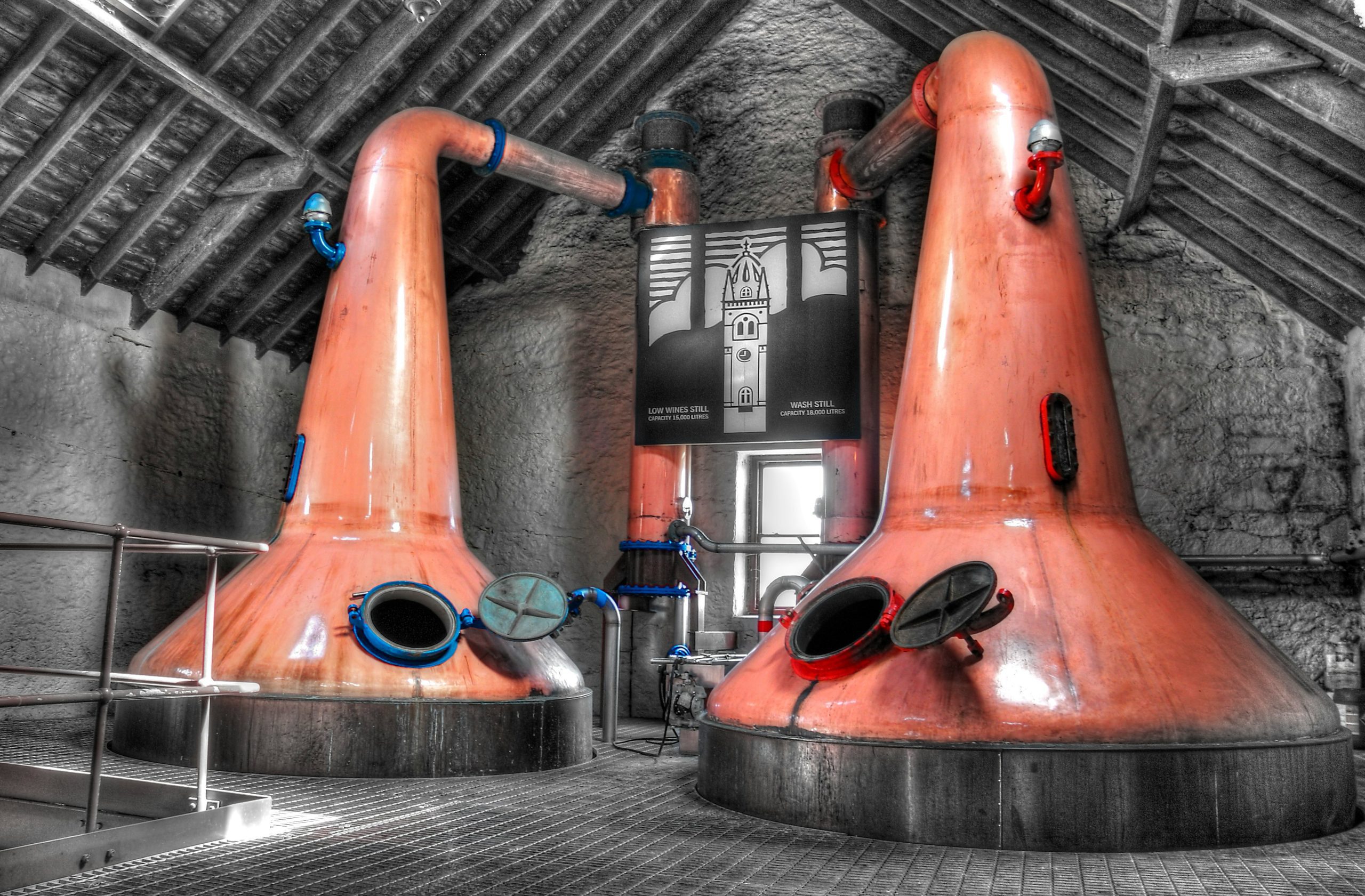
September 17, 2026 (StLouisRestaurantReview) Extraction is a word most St. Louis kitchens never say, and every one of them depends on it. Vanilla in a batter, stock out of bones, coffee at the pass. Each one pulls target compounds out of solid matter and into a liquid.
Regulated cannabis runs the same play with different equipment. Honey oil is one product, and the Canadian dispensary BuyMyWeed hosts the page where a curious reader can look up what honey oil really is. That company ships inside Canada only, so nobody reading this in Missouri sits within its delivery area.
Adult use became legal across Canada in 2018 under the Cannabis Act. Provinces set their own minimum: 19 in most, 18 in Alberta and 21 in Quebec. Missouri runs its own licensed adult-use market, so local access is a separate question. Legality varies by location, and this is an adults-only subject.
This is a process story, not a method: no procedures, no dosing figures, no health claims and no medical advice.
What Does Extraction Actually Mean?
Extraction moves a target compound out of solid matter and into a liquid. A solvent does the moving, then comes off again, leaving the compound behind in concentrated form.
Vanilla extract is the textbook case. The federal standard of identity sets a floor of 35 percent alcohol by volume. That alcohol is the solvent, and vanillin is one of hundreds of aroma compounds it carried out of the bean.
Not every concentrate needs a solvent. Extra virgin olive oil comes out under mechanical pressure alone, which is one reason transparency about how a bottle was made has become a selling point. The UC Davis Olive Center built its research program around quality and authenticity work of that kind.
Which Solvents Do Extractors Use, and Why?
Solvent choice decides what comes out and what stays behind. Polarity, boiling point and fire risk all shift the answer. Four families cover most of the work.
Ethanol, the food-grade alcohol behind tinctures, bitters and vanilla. It pulls a wide range of compounds and boils off at 78 degrees Celsius.
Hydrocarbons such as butane and propane. Butane boils just below zero, so it leaves cold and spares delicate aromatics.
Carbon dioxide held above its critical point, near 31 degrees Celsius and about 1,070 psi. It vents away at room pressure.
Water and fats, the slowest and gentlest, behind stock, cold brew and fat-washed spirits.
Supercritical carbon dioxide has decaffeinated coffee commercially since the 1970s. A US decaf label requires 97 percent of the caffeine gone.
Missouri's 20-plus craft microdistilleries handle the first family at volume, under licensing and equipment rules written for flammable liquids.
Why Does Residual Solvent Testing Exist?
Because the solvent has to leave, and proving that it left takes a measurement.
Alt text: Golden oil pouring from a metal spout into a container
A kitchen has the same logic in cruder form. Nobody plates a sauce that still tastes of the sanitizer used on the pan.
Licensed cannabis labs run gas chromatography with mass spectrometry on finished extract. Results come back in parts per million against a published ceiling for each solvent. Butane, propane, and residual hexane all carry their own limit.
The stakes climb with concentration. A hydrocarbon extract can land between 70 and 90 percent cannabinoids by weight, so whatever the solvent left is concentrated by the same factor.
Why Is Closed-Loop Equipment the Whole Point?
Because the alternative is a room filling with flammable vapor. A closed-loop system keeps solvent inside sealed vessels and recovers it for the next run.
Restaurant operators know the physics already. A hood packed with grease residue is fuel waiting on an ignition source, and a Tower Grove kitchen lost a building to that in April 2024. Solvent vapor is worse, because it sinks and travels.
The Chemical Safety Board's completed investigations include two Barton Solvents cases where flammable liquid vapor met a static spark. That is why a licensed extraction site satisfies four things at once:
Ventilation sized for the vapor a room could hold.
Gas detection wired to shut the process down.
Electrical fittings rated for a hazardous location.
A permit and inspection from the local fire authority.
Home attempts satisfy none of the four. Open butane blasting has burned people and buildings across North America. It is a criminal offense wherever a licensed market exists.
Where Does Honey Oil Sit In That Family?
Honey oil, also called hash oil, sits at the solvent-extracted end of the range. The name describes how it looks, not any technical grade: amber color, thick pour.
Two routes dominate production. Butane yields the most potent version and demands the most careful purging afterward. Food-grade ethanol scales more easily and turns up in larger runs.
That fork will feel familiar to a food professional. Ethanol against hydrocarbon is the same trade-off as an alcohol tincture against a pressed oleoresin. One is broad and cheap to scale, the other selective and fussy.
What the cannabis version adds is a licensing layer. In Canada, the extraction site itself needs a federal processing license before a single gram moves legally.
What a Kitchen Reader Should Keep In Mind
Extraction is one idea with many solvents, and the solvent sets the result.
Pressing and solvent extraction are not interchangeable terms.
Residual solvent limits matter more as a product grows more concentrated.
Closed-loop equipment exists because solvent vapor is a fire hazard.
A Canadian dispensary ships to Canadian addresses only, never to Missouri.
Use is adults only, and none of this is medical advice.
Same Chemistry, Two Different Rulebooks
Extraction is not a cannabis idea that food borrowed, nor the reverse. Two industries reached the same chemistry separately and now regulate it on separate terms.
A chef reading an extract spec sheet is reading a cousin of a vanilla label. The compounds differ, the licenses differ, the law differs by address. The physics does not.
In a kitchen, understanding a process is not the same as having access to its product. Those two questions deserve separate answers.
FAQ
Is Honey Oil the Same Thing as Hash Oil?
Yes, both names point at the same category of solvent-extracted concentrate. Honey oil is the older informal term, based on its amber color and thick texture. Neither name is a regulated grade.
Why Does a Solvent Choice Change the Result?
Because solvents dissolve different compounds and boil at different temperatures. Ethanol pulls a broad range, while butane runs cold and preserves lighter aromatics. The same principle decides whether a kitchen reaches for alcohol, water, or fat.
Is a Canadian Dispensary an Option In Missouri?
No. A licensed Canadian dispensary delivers to Canadian addresses only, and taking cannabis over the border breaks federal law. Anyone shopping legally here uses a dispensary licensed by the state.
Does This Article Explain How to Make Honey Oil?
No, and deliberately so. Solvent extraction outside a licensed, engineered facility is dangerous and unlawful. This piece says what the process is, not how anyone would carry it out.
Read Restaurant News at St. Louis Restaurant Review https://stlouisrestaurantreview.com/how-extraction-works-in-kitchens-and-in-cannabis/

No comments:
Post a Comment