Sunday, April 19, 2026


St. Louis Restaurant Review Domain Authority Climbs to 55, Strengthening Media Network
St. Louis Restaurant Review has increased its Domain Authority from 54 to 55, marking continued growth in online visibility and credibility.


The milestone strengthens its partnership with STL.News, forming a powerful digital publishing and marketing network.


Together, the platforms are expanding reach, authority, and SEO impact across local and national audiences.

St. Louis Restaurant Review Achieves New Domain Authority Milestone


ST. LOUIS, MO - April 19, 2026 (StLouisRestaurantReview) St. Louis Restaurant Review has reached a new level of digital strength, with its Domain Authority rising from 54 to 55. While the increase may appear incremental, in the world of search engine optimization, each point gained at this level represents a meaningful advancement and signals growing influence within the restaurant and hospitality media space.


This latest improvement reinforces the platform’s continued momentum and highlights its expanding role as a trusted resource for restaurant news, reviews, and industry insights. More importantly, it strengthens its integration with STL.News, creating a unified network that delivers both content authority and marketing power.

Understanding the Significance of Domain Authority Growth


Domain Authority is a widely recognized benchmark for evaluating a website's strength and ranking potential. Scored on a scale from 1 to 100, it reflects the quality of backlinks, content consistency, and a domain's overall trustworthiness.


As websites move higher on the scale, growth becomes more difficult. The jump from 54 to 55 represents a meaningful achievement, indicating improvements in backlink quality, site engagement, and overall SEO performance.


For St. Louis Restaurant Review, this increase confirms that the platform is gaining traction in a competitive digital environment where visibility and authority are critical.

A Powerful Network: St. Louis Restaurant Review and STL.News


The rise in Domain Authority does not exist in isolation. It is part of a broader strategy that connects St. Louis Restaurant Review with STL.News, forming a powerful media ecosystem designed to maximize reach and influence.


Together, these platforms create a multi-layered network that offers:

Expanded Content Reach


Articles published across the network benefit from increased exposure, reaching audiences locally, regionally, and nationally.

Strengthened Backlink Ecosystem


Cross-publishing and shared distribution strategies help generate high-quality backlinks, boosting authority for both platforms.

Enhanced SEO Performance


The combined authority of both domains increases the likelihood that content will rank higher in search engine results.

Consistent Brand Visibility


Businesses featured within the network benefit from repeated exposure across multiple trusted platforms.


This interconnected approach creates a compounding effect, where growth on one platform supports and accelerates growth on the other.

Why This Matters for the Restaurant Industry


For restaurant owners, operators, and hospitality professionals, the increase in Domain Authority delivers real, measurable benefits.

Better Online Visibility


Content published on higher authority platforms is more likely to appear in search results, helping restaurants attract new customers.

Stronger Marketing Impact


Features, reviews, and announcements gain more traction when distributed through authoritative channels.

Improved Local SEO


Restaurants benefit from stronger citations and backlinks, which are key factors in local search rankings.

Increased Consumer Trust


Appearing on trusted platforms enhances credibility, making potential customers more likely to engage.


As the digital landscape becomes more competitive, having access to a high-authority publishing network can be a significant advantage.

The Role of Content and Consistency


The growth in Domain Authority for St. Louis Restaurant Review is driven by consistent effort and strategic execution.

Original, Industry-Focused Content


The platform continues to publish relevant, engaging content tailored to the restaurant and hospitality sector.

Regular Publishing Schedule


Consistency signals reliability to search engines, helping improve rankings over time.

Strategic Distribution


Content is shared across a broader media network, increasing visibility and generating valuable backlinks.

SEO Optimization


Careful attention to structure, keywords, and metadata ensures that content performs well in search results.


These combined efforts create a foundation for sustained growth and continued improvements in authority.

The Compounding Effect of Network Authority


One of the most important aspects of this milestone is the compounding effect created by the partnership between St. Louis Restaurant Review and STL.News.


As both platforms increase in Domain Authority:

Backlinks between them carry more weight


Content gains stronger ranking potential


Distribution becomes more impactful


Overall network credibility continues to rise

This creates a self-reinforcing cycle where each improvement strengthens the entire ecosystem.


The result is not just two strong websites, but a coordinated digital network capable of delivering significant reach and influence.

Looking Ahead: Continued Growth and Expansion


The increase from 54 to 55 is another step forward in a long-term growth strategy. Both St. Louis Restaurant Review and STL.News continues to focus on expanding its reach, improving content quality, and strengthening its digital infrastructure.


Future growth will be driven by:

Continued investment in original content


Expansion of distribution channels


Strengthening partnerships and backlinks


Ongoing SEO optimization

With both platforms increasing their Domain Authority, the network is positioned to become even more influential in the digital media landscape.

Final Thoughts


The rise in Domain Authority for St. Louis Restaurant Review reflects more than just improved metrics—it signals growing trust, expanding reach, and increasing influence within the restaurant industry.


When combined with the strength of STL.News and its broader distribution network, this milestone represents the development of a powerful media ecosystem designed to deliver visibility, credibility, and results.


For restaurants, businesses, and readers alike, this growth translates into greater opportunities, stronger connections, and a more impactful digital presence.


Additionally, STL.News is affiliated with St. Louis Restaurant Review, and its Domain Authority has increased, as announced by STL.News today, Sunday, April 19, 2026.


More Restaurant News published on St. Louis Restaurant Review - STLRR:

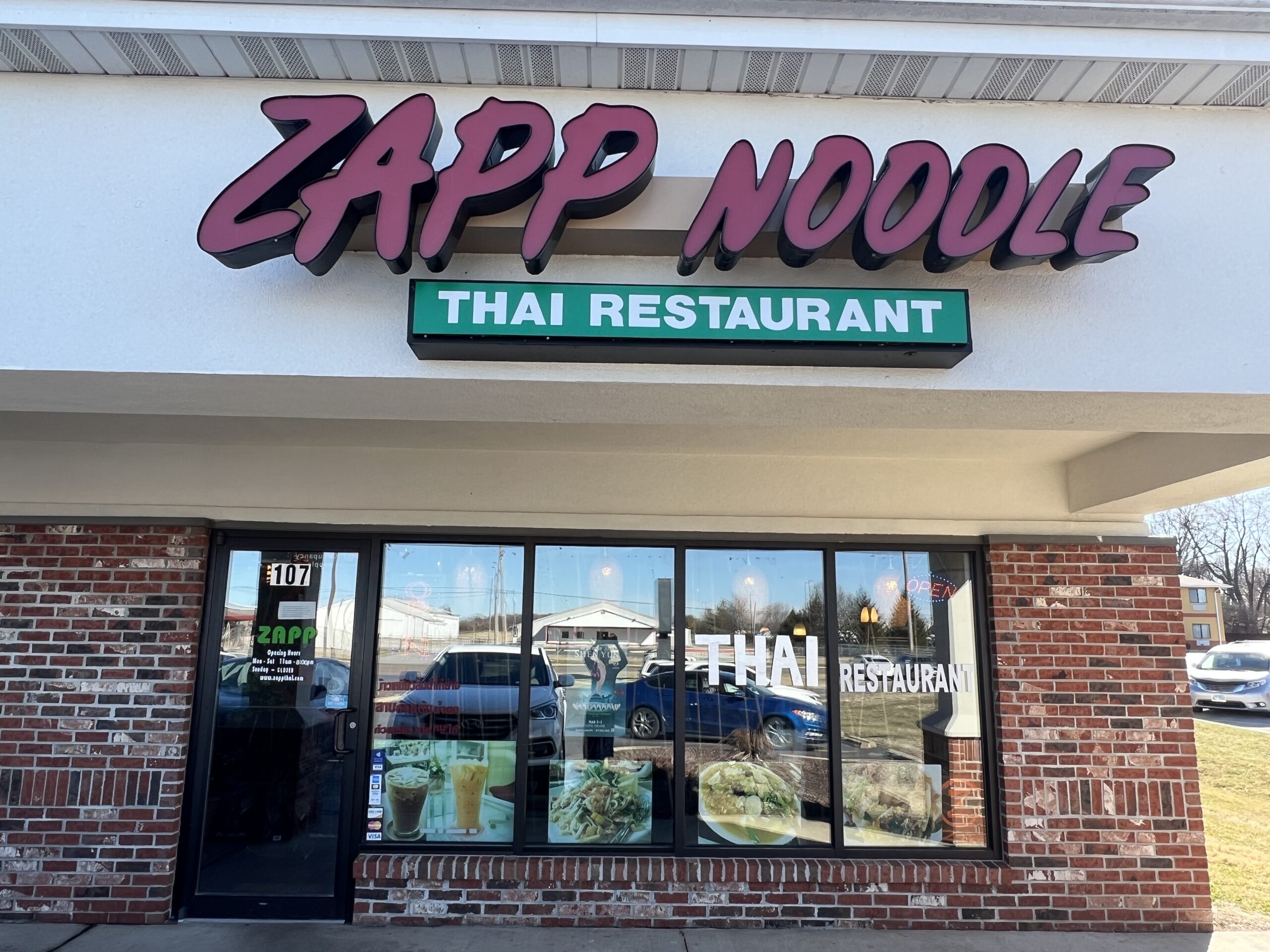
Zapp Noodle Thai Restaurant in O’Fallon, IL, Continues Serving Customers


Food Truck Debate Intensifies in St. Louis City


The New Date Night: Combining St. Louis’ Finest Takeout With Digital Thrills


Sweetie Cup Thai Cafe in Valley Park – Authentic Thai Cuisine


Clarification Issued Regarding Ownership and Allegations Involving Zapp Thai Restaurant

© 2026 – St. Louis Media, LLC d.b.a. St. Louis Restaurant Review. All Rights Reserved. Content may not be republished or redistributed without express written approval. Portions or all of our content may have been created with the assistance of AI tools, such as Gemini or ChatGPT, and are reviewed by our human editorial team. For the latest restaurant news and reviews, head to St. Louis Restaurant Review. https://stlouisrestaurantreview.com/st-louis-restaurant-review-domain-authority-climbs-55/

Saturday, April 18, 2026


Zapp Noodle Thai Restaurant in O’Fallon, IL, Continues Serving Customers
Zapp Noodle Thai Restaurant in O’Fallon, IL, Continues Serving Customers Amid Confusion


O'FALLON, IL (StLouisRestaurantReview) Zapp Noodle Thai Restaurant in O’Fallon, Illinois, remains open and actively serving customers, continuing to build on its reputation for authentic Thai cuisine, strong customer loyalty, and consistent service. The restaurant has become a dependable dining option in the Metro East, attracting both longtime patrons and new guests seeking quality meals prepared with care.

A Local Restaurant Focused on Consistency and Quality


Located along West Highway 50 in O’Fallon, Zapp Noodle Thai has developed a solid reputation by delivering flavorful dishes rooted in traditional Thai cooking. The restaurant emphasizes fresh ingredients, balanced flavors, and a menu designed to appeal to a wide range of preferences—from classic noodle dishes to soups, stir-fries, and rice-based entrees.


Customers frequently return not just for the food, but for the reliability of the experience. In an industry where consistency can make or break a restaurant, Zapp Noodle Thai has positioned itself as a dependable choice for lunch, dinner, and takeout.

Clearing Up Confusion Between Similar Restaurant Names


Recent online discussions and confusion surrounding similarly named businesses in the region have created unnecessary concern among customers. It is important to clarify that Zapp Noodle Thai Restaurant in O’Fallon operates independently and is not affiliated with any other restaurant in Edwardsville that uses a similar name.


This distinction matters. When businesses share similar branding, misinformation can spread quickly—sometimes affecting customer perception and foot traffic. In this case, any issues or past concerns tied to another establishment do not apply to Zapp Noodle Thai in O’Fallon.


The restaurant continues normal operations and remains focused on serving its customers without interruption.

Both Restaurants Operating Independently


It is also important for customers to understand that both establishments—despite the confusion—are open and operating. The Edwardsville location is under separate ownership and management, and any past matters tied to previous operators do not reflect current operations.


For diners, the takeaway is simple: each restaurant should be evaluated on its own merits, including food quality, service, cleanliness, and overall experience.

Why Zapp Noodle Thai Continues to Earn Loyal Support


Zapp Noodle Thai’s continued success is driven by several key factors that resonate with customers:


Authentic Flavor ProfilesThai cuisine is known for its balance of sweet, spicy, sour, and savory elements. Zapp Noodle Thai has built its menu around these core principles, offering dishes that deliver bold and satisfying flavor combinations.


Freshly Prepared MealsEach dish is made to order using quality ingredients, helping ensure that meals are served hot, fresh, and consistent with customer expectations.


Variety and FlexibilityThe menu offers something for nearly everyone, including different protein options, spice levels, and diet-friendly choices. This flexibility makes it an accessible option for families, groups, and individuals alike.


Friendly and Efficient ServiceCustomer service plays a critical role in repeat business. Zapp Noodle Thai has built a reputation for welcoming guests and maintaining a smooth dining experience, whether customers dine in or order takeout.

The Importance of Supporting Local Restaurants


The situation also highlights a broader issue affecting many locally owned restaurants—how quickly misinformation can impact a business. In today’s digital environment, a single misunderstanding can influence customer behavior, even when it is not based on accurate information.


Restaurants like Zapp Noodle Thai depend on community support. When customers choose to dine locally, they contribute directly to the local economy, support jobs, and help ensure that independently owned establishments can continue operating.

A Reminder to Customers


For those who may have heard conflicting information, the facts are straightforward:

Zapp Noodle Thai Restaurant in O’Fallon is open and serving customers


It operates independently and is not connected to similarly named businesses


It continues to provide the same quality food and service that built its reputation

Why Accuracy Matters in Local Business Reporting


Accurate information is critical for local businesses. Misunderstandings—especially those tied to legal issues, ownership changes, or unrelated events—can have real consequences for restaurants that rely on steady customer traffic.


Consumers are encouraged to verify information, rely on direct experiences, and support businesses based on their actual performance rather than assumptions.

Final Thoughts


Zapp Noodle Thai Restaurant in O’Fallon continues to stand as a reliable dining destination in the region. With a focus on authentic cuisine, consistent quality, and strong customer relationships, the restaurant remains committed to serving the community.


In a time when local businesses face both economic challenges and the impact of online misinformation, continued customer support plays a vital role in their long-term success.


© 2025 – St. Louis Media, LLC d.b.a. St. Louis Restaurant Review. All Rights Reserved. Content may not be republished or redistributed without express written approval. Portions or all of our content may have been created with the assistance of AI tools, such as Gemini or ChatGPT, and are reviewed by our human editorial team. For the latest restaurant news and reviews, head to St. Louis Restaurant Review. https://stlouisrestaurantreview.com/zapp-noodle-thai-restaurant-in-ofallon-il-continues-serving-customers/

Thursday, April 16, 2026


The State of the Restaurant Industry
The State of the Restaurant Industry: From Pre-COVID Stability to Post-Pandemic Survival and the Uncertain Road Ahead


An Industry That Defined Everyday Life


ST. LOUIS, MO (StLouisRestaurantReview) The restaurant industry has always been more than just a place to eat. It represents culture, community, entrepreneurship, and economic activity all in one. For decades, restaurants served as gathering places for families, business meetings, celebrations, and daily routines.


Before 2020, the industry was widely considered stable, predictable, and deeply embedded in American life. But what followed over the next few years would permanently change how restaurants operate, how consumers behave, and how profitability is achieved.


Today, the restaurant industry is still standing—but it is fundamentally different.

Before COVID-19: Growth Built on Fragile Foundations


In the years leading up to the pandemic, the restaurant industry experienced steady growth. New restaurants opened at a rapid pace, especially in urban and suburban areas. Dining out became a regular habit for millions of Americans, driven by busy lifestyles and a growing desire for convenience.


However, beneath that growth was a fragile business model.


Most restaurants operated with extremely tight profit margins. Even successful establishments often made only a small percentage of profit after covering labor, rent, food costs, utilities, and insurance. This meant that restaurants were highly sensitive to any disruption, even minor ones.


At the same time, competition was intense. In many markets, there were simply too many restaurants competing for the same customers. While demand was strong, it was spread across a crowded field.


Labor was another ongoing challenge. Turnover rates were high, and restaurants constantly struggled to recruit and retain workers. Despite this, staffing levels were generally sufficient to keep operations running smoothly.


Technology existed, but it was not central to the business. Online ordering and delivery services were growing, but they were not the primary focus. Most restaurants still depended heavily on dine-in traffic.


The system worked—but only because conditions were relatively stable.

The COVID-19 Collapse: A Sudden and Unforgiving Shock


When the COVID-19 pandemic struck in early 2020, it delivered an immediate and devastating blow to the restaurant industry.


Dining rooms were forced to close almost overnight. Government restrictions limited capacity or shut down operations entirely. Consumers stayed home out of caution, and foot traffic disappeared.


For many restaurants, revenue dropped to near zero within days.


Unlike other industries, restaurants could not simply shift to remote work or delay operations. They still had rent to pay, utilities to cover, and perishable inventory that could not be used.


The result was widespread closures, layoffs, and financial distress. Thousands of restaurants shut down permanently, unable to survive even a few months without consistent revenue.


For those that remained open, survival required rapid adaptation.

The Pivot: Reinventing the Business Model


Restaurants that survived the pandemic did so by completely reinventing how they operated.

The Rise of Takeout and Delivery


Takeout and delivery quickly became the lifeline of the industry. What was once a secondary revenue stream became the primary source of income for many restaurants.


Operators redesigned menus to travel well, adjusted pricing, and restructured kitchens to handle high volumes of off-premise orders.


Consumers also adapted. Ordering food online became routine, and convenience began to outweigh the traditional dining experience.


This shift has proven to be permanent.

The Acceleration of Technology


The pandemic forced restaurants to embrace technology at a pace that would otherwise have taken years.


Online ordering systems, mobile apps, and digital payment platforms became essential tools. QR code menus replaced printed ones, and contactless transactions became the norm.


Restaurants also began investing in systems that could improve efficiency, such as integrated point-of-sale platforms, inventory tracking, and automated scheduling tools.


Technology was no longer optional—it became the backbone of the modern restaurant.

Leaner, More Efficient Operations


To survive, many restaurants streamlined their operations.


Menus were simplified to focus on high-margin and popular items. Labor was reduced to essential roles, and operating hours were adjusted to match demand.


This forced efficiency helped many businesses stay afloat, but it also revealed just how fragile the old model had been.

The Recovery: A Surge in Revenue, But Not Stability


As restrictions eased and consumer confidence began to return, the restaurant industry experienced a strong rebound in sales.


People were eager to return to restaurants, reconnect with friends and family, and enjoy experiences they had missed during the pandemic.


In many areas, demand surged beyond pre-pandemic levels.


However, this recovery came with a new set of challenges that made profitability more difficult than ever.

The Modern Challenges Facing Restaurants


Labor Shortages and Workforce Changes


One of the most significant challenges today is the labor shortage.


Many workers who left the industry during the pandemic never returned. Others shifted to jobs with more stability, better pay, or more predictable hours.


Restaurants now face:

Difficulty hiring and retaining staff


Increased wage expectations


Reduced availability of experienced workers

In many cases, restaurants are forced to operate with fewer employees, which can impact service quality and limit capacity.

Rising Costs Across Every Category


Operating a restaurant has become significantly more expensive.


Food costs have increased due to inflation and supply chain disruptions. Energy costs, transportation, and packaging have all risen. Rent and insurance continue to climb in many markets.


These rising expenses have put pressure on already thin profit margins.


While restaurants have attempted to raise prices to offset these costs, there is a limit to what customers are willing to pay.

The Price Sensitivity of Consumers


Today’s consumers are more cautious with their spending.


Economic uncertainty, inflation, and higher living costs have made people more selective about when and where they dine out.


Many customers are:

Dining out less frequently


Choosing lower-priced menu items


Looking for discounts or promotions

This shift has created a difficult balancing act for restaurants, which must maintain profitability without driving customers away.

The Impact of Delivery and Third-Party Platforms


While delivery services helped restaurants survive during the pandemic, they have also created long-term challenges.


High fees associated with third-party platforms can significantly reduce profit margins. Additionally, restaurants often lose direct access to customer data, making it harder to build relationships and repeat business.


As a result, many operators are now trying to shift customers toward direct ordering channels, where they can retain more control and revenue.

Changing Consumer Expectations


The modern diner expects more than ever before.


Convenience, speed, and digital accessibility are now just as important as food quality and service.


Customers expect:

Easy online ordering


Fast pickup or delivery


Accurate and consistent experiences


Transparent pricing

At the same time, they still value atmosphere and service when dining in, creating a dual set of expectations that restaurants must meet.

The Industry Paradox: Growth Without Profit


One of the most striking realities of today’s restaurant industry is that it is growing in revenue while many operators struggle financially.


Sales numbers may look strong, but costs have risen just as quickly—or faster.


This creates a situation in which restaurants are busier than ever yet less profitable.


For many business owners, survival now depends on careful management, efficiency, and adaptability rather than simply increasing sales.

The Future of the Restaurant Industry


Looking ahead, several key trends are likely to shape the future.

Technology Will Continue to Transform Operations


Restaurants will increasingly rely on technology to manage costs and improve efficiency.


Artificial intelligence, automation, and advanced data analytics will play a larger role in forecasting demand, managing inventory, and optimizing staffing.


Restaurants that fail to adopt these tools may struggle to compete.

Off-Premise Dining Is Here to Stay


Takeout and delivery will remain central to the business model.


Restaurants will continue to invest in systems and processes that support off-premise dining, including dedicated pickup areas, streamlined kitchens, and improved packaging.


In some cases, entirely new concepts—such as delivery-only kitchens—will become more common.

Consolidation and Competition


Larger restaurant groups and well-funded brands are gaining an advantage in the current environment.


They have greater access to capital, technology, and marketing resources, allowing them to adapt more quickly.


Independent restaurants, while still vital to local communities, may face increasing pressure to compete.

Efficiency Will Define Success


In the future, success will not be determined solely by how busy a restaurant is, but by how efficiently it operates.


Controlling costs, optimizing menus, and maintaining strong operational discipline will be critical.


Restaurants that can balance quality, value, and efficiency will have the best chance of long-term success.

Consumer Behavior Will Continue to Evolve


As economic conditions change, consumer behavior will continue to shift.


Restaurants must remain flexible and responsive, adjusting their offerings and pricing strategies to meet changing expectations.


Understanding the customer—and adapting quickly—will be more important than ever.

Final Analysis: A Transformed Industry


The restaurant industry has undergone one of the most significant transformations in modern business history.


Before the pandemic, it was an industry built on routine and predictability. Today, it is defined by change, innovation, and constant pressure.


While the challenges are significant, the industry has proven its resilience.


Restaurants have adapted, evolved, and found new ways to survive.

Conclusion: Survival, Adaptation, and Opportunity


The future of the restaurant industry will not look like its past.


Operators who embrace change, invest in technology, and focus on efficiency will continue to find opportunities, even in a challenging environment.


Those who rely on outdated models may struggle to keep up.


In the end, the restaurant industry is not disappearing—it is transforming.


And those who understand that transformation will be the ones who shape its future.


Other Restaurant Business News published on St. Louis Restaurant Review - STLRR:

eOrderSTL Is Transforming How Restaurants Grow in St. Louis


St. Louis Restaurants Are Expanding—But Many Are Still Failing


Why Prepacked, Ready-to-Heat Meals Could Be a Game-Changer


Rising Gas Prices Force Restaurants to Adapt


Rising Gas Prices Are Draining Consumer Budgets

© 2025 – St. Louis Media, LLC d.b.a. St. Louis Restaurant Review. All Rights Reserved. Content may not be republished or redistributed without express written approval. Portions or all of our content may have been created with the assistance of AI tools, such as Gemini or ChatGPT, and are reviewed by our human editorial team. For the latest restaurant news and reviews, head to St. Louis Restaurant Review. https://stlouisrestaurantreview.com/state-of-the-restaurant-industry/

Food Truck Debate Intensifies in St. Louis City
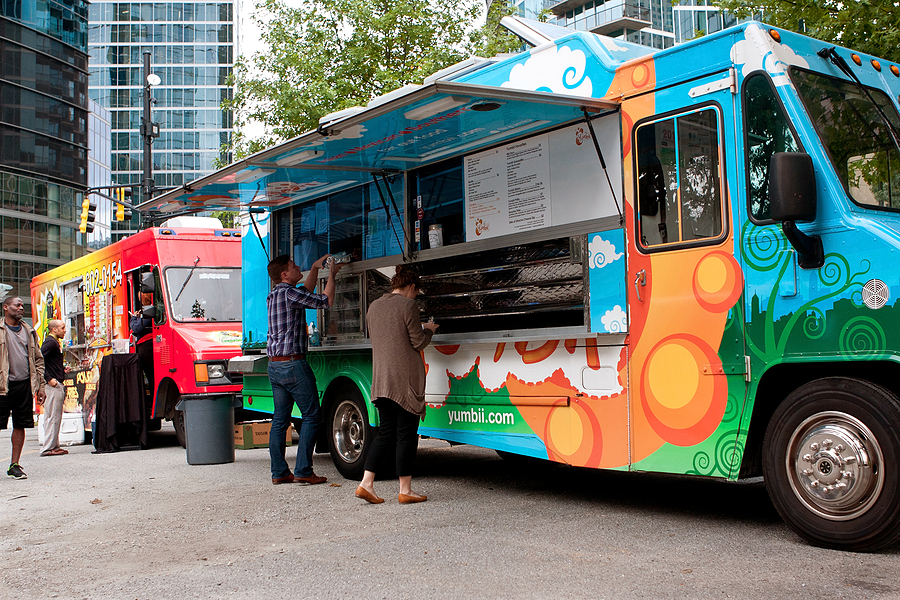
ST. LOUIS, MO (StLouisRestaurantReview) A growing controversy surrounding food trucks is gaining momentum across St. Louis, as city officials, restaurant owners, and mobile food vendors find themselves at odds over potential regulatory changes that could reshape the local dining environment.


At the heart of the issue is a push to expand where and how food trucks can operate within city limits. Proposed adjustments to existing rules could allow mobile vendors to access more high-traffic areas, extend operating hours, and increase their presence in key commercial zones. Supporters see this as a natural evolution of the food industry, while critics warn it may create an uneven playing field.

Expansion Efforts Gain Attention


City leaders are exploring ways to modernize regulations that many believe are outdated. The goal is to reflect current consumer habits, which increasingly favor convenience, flexibility, and diverse dining options. Food trucks have become a visible part of that shift, offering quick service and unique menu offerings in locations where traditional restaurants may not operate.


Advocates argue that expanding food truck access could energize public spaces, attract foot traffic, and provide new opportunities for small business owners. They also point to the role food trucks play in events, festivals, and community gatherings, where they often serve as a central attraction.


Restaurant Owners Raise Concerns


Not everyone supports the proposed changes. Many restaurant owners are expressing concern about the potential impact on their businesses. Unlike mobile vendors, traditional restaurants operate with higher fixed costs, including rent, utilities, staffing, and long-term commitments.


There is growing concern that increased access to food trucks—especially near established dining areas—could draw customers away from brick-and-mortar locations. For some operators, the concern is not just competition, but whether that competition is balanced fairly.


Questions have also been raised about consistency in regulations. Restaurant owners want assurance that food trucks are held to similar standards for health inspections, zoning restrictions, and operational requirements.

Food Truck Operators Push Back


Food truck owners, however, see the situation differently. Many view their businesses as an entry point into the food industry, often requiring less capital than opening a full-service restaurant. They argue that food trucks contribute to the local economy by creating jobs, supporting suppliers, and offering affordable dining options.


Operators also emphasize that mobility is part of their business model, allowing them to serve different areas and adapt to demand. For many, food trucks are not direct competitors to restaurants but rather a complementary part of the food ecosystem.


Some point out that successful food truck ventures often lead to permanent restaurant locations, making them a stepping stone for long-term business growth.

A Shift in Consumer Behavior


The debate reflects a larger change in how people choose to eat. Convenience, speed, and variety have become key factors for consumers, especially as busy lifestyles and rising costs influence spending habits.


Food trucks, takeout, and delivery services are all part of this evolving landscape. As these options become more popular, cities like St. Louis are being forced to reconsider how regulations can support innovation while maintaining fairness.

What’s at Stake for St. Louis


The outcome of this debate could have lasting effects on the city’s restaurant industry. Expanding access to food trucks may open doors for new entrepreneurs and create a more dynamic food scene. At the same time, it could increase competition for established restaurants already facing economic pressure.


City leaders now face the challenge of finding a balance that allows both models to thrive. The goal is to create a system where innovation is encouraged without undermining the businesses that have long been part of the community.


As discussions continue, one thing is clear: the future of dining in St. Louis is changing, and how the city responds to this issue will play a major role in shaping that future.


© 2025 – St. Louis Media, LLC d.b.a. St. Louis Restaurant Review. All Rights Reserved. Content may not be republished or redistributed without express written approval. Portions or all of our content may have been created with the assistance of AI tools, such as Gemini or ChatGPT, and are reviewed by our human editorial team. For the latest restaurant news and reviews, head to St. Louis Restaurant Review. https://stlouisrestaurantreview.com/food-truck-debate-st-louis-city/

Tuesday, April 14, 2026


Sweetie Cup Thai Cafe in Valley Park - Authentic Thai Cuisine
Sweetie Cup Thai Cafe in Valley Park Offers Authentic Thai Cuisine with Limited-Time Savings


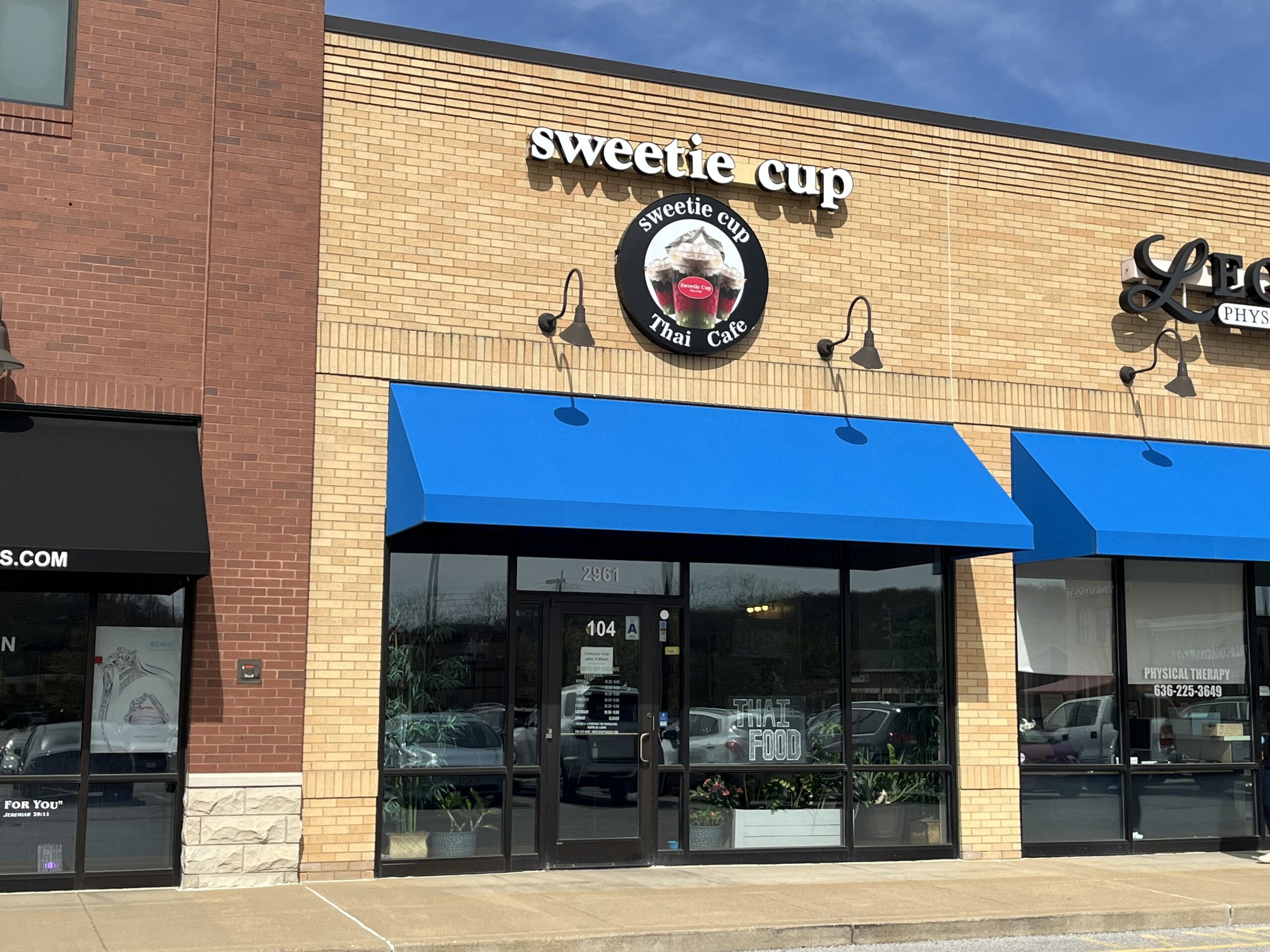
Sweetie Cup Thai Cafe in Valley Park, Missouri, is combining authentic Thai cuisine with limited-time discounts for local diners.


Customers can now enjoy up to 20% off large orders, plus special savings for new accounts and summer promotions.


With bold flavors and strong community support, the restaurant continues to grow as a local favorite.

Sweetie Cup Thai Cafe - A Local Favorite Serving Authentic Thai Cuisine


VALLEY PARK, MO (StLouisRestaurantReview) Located in the heart of Valley Park, Sweetie Cup Thai Cafe has become a go-to destination for residents seeking authentic Thai flavors without leaving West St. Louis County.  Known for its consistent quality, generous portions, and welcoming service, the restaurant has quietly built a loyal following over the years.


What sets Sweetie Cup apart is its commitment to delivering a true Thai dining experience while remaining approachable to all customers.  Whether you are a first-time visitor or a regular customer, the menu offers something that satisfies both comfort cravings and adventurous tastes.


Now, with a series of limited-time promotions, the restaurant is giving customers even more reason to visit, order online, or plan their next group meal.


Additionally, it is among the highest-rated Thai restaurants in the region, with a Google Rating of 4.7 and more than 220 online customer reviews.  However, what is more impressive is its 4.7 Star Rating on Yelp, with more than 120 online customer reviews.  Yelpers are tough and typically give restaurants the lowest ratings compared to other platforms.

Limited-Time Deals Driving New Interest


As part of its ongoing effort to reward loyal customers and attract new ones, Sweetie Cup Thai Cafe is offering several standout promotions that are gaining attention across the Valley Park area.


The most notable offer is a 20% discount on the entire order when spending $300 or more.  This deal is particularly appealing for large families, corporate lunches, and catered events, where high-quality food and cost savings are equally important.


For new customers, the restaurant is also providing a 15% discount on the entire order when registering for an account.  This incentive encourages first-time diners to explore the menu while building a relationship with the brand for future orders.


In addition, a 10% Summer Special is currently available, allowing customers to enjoy savings across their entire order during the warmer months.  This promotion is designed to keep business strong during seasonal shifts while offering value to the community.


Together, these offers create a flexible range of savings options, whether you are ordering a single meal or planning a large gathering.

A Menu Built on Bold and Balanced Flavors


While the promotions are attracting attention, it is the food that keeps customers coming back.  Sweetie Cup Thai Cafe delivers a menu that reflects the complexity and balance of traditional Thai cuisine.


Dishes are carefully prepared to highlight the signature blend of sweet, sour, salty, and spicy flavors.  Customers can also customize spice levels, making the menu accessible to both beginners and experienced Thai food enthusiasts.


Among the most popular items is the Pad Thai, a dish that has become a staple for many diners.  Known for its balanced flavor and satisfying texture, it remains one of the most frequently ordered items on the menu.


Other favorites include Pad See Ew and Drunken Noodles, both of which offer distinct takes on stir-fried noodles.  These options provide variety while maintaining the bold flavors that define Thai cuisine.

Rich Curries That Define the Experience


Sweetie Cafe'sai Cafe’s curry selection is another major highlight.  Each curry is prepared with a rich coconut base and layered spices that create a deep and satisfying flavor profile.


The Green Curry offers a fresh, herbal taste with moderate heat, while the Red Curry brings a slightly stronger spice and richer depth.  Panang Curry is known for its creamy texture and subtle sweetness, making it a favorite among regular customers.


For those who prefer a milder option, the Massaman Curry provides a comforting blend of potatoes, peanuts, and gentle spices.  It is a dish that appeals to a wide audience while still delivering authentic flavor.

Perfect for Takeout, Events, and Catering


One of the key reasons Sweetie Cup Thai Cafe continues to grow in popularity is its ability to adapt to modern dining habits.  In addition to its dine-in experience, the restaurant has positioned itself as a reliable option for takeout and catering.


With the current 20% discount on large orders, the restaurant is especially attractive for office lunches, parties, and special events.  Customers can order a variety of dishes to create a complete meal for a group, all while enjoying significant savings.


The 15% discount for new accounts also encourages online ordering, making it easier for customers to access the menu, customize their meals, and enjoy a seamless ordering experience.

A Strong Connection to the Local Community


Sweetie Cup Thai Cafe is more than just a restaurant—it is part of the local business community that helps define Valley Park.  By offering consistent quality and meaningful promotions, the restaurant has built trust with its customers.


In a time when many dining options feel impersonal or overly commercialized, Sweetie Cup maintains a sense of authenticity and connection.  Customers know what to expect, and reliability is the restaurant’s strongest asset.


Supporting local businesses like Sweetie Cup Thai Cafe not only provides great food but also strengthens the local economy and the community's character.

Why Now Is the Right Time to Visit


With multiple promotions running simultaneously, there has never been a better time to experience Sweetie Cup Thai Cafe.  Whether you are a returning customer or trying it for the first time, the combination of authentic food and cost savings creates a compelling reason to order.


The 10% Summer Special makes it easy to enjoy everyday meals at a discount, while the 15% new customer offer provides an incentive to explore the menu.  For larger gatherings, the 20% discount on orders over $300 delivers significant value without sacrificing quality.


These offers are designed to appeal to a wide range of customers, from individuals looking for a quick meal to groups planning larger events.

A Consistent Experience That Builds Loyalty


In the restaurant industry, consistency is often the difference between short-term success and long-term growth.  Sweetie Cup Thai Cafe has demonstrated its ability to deliver a reliable experience across all aspects of its operations.


From the kitchen to customer service, the focus remains on quality, efficiency, and satisfaction.  This commitment has allowed the restaurant to stand out in a competitive market and maintain a strong reputation.


The addition of promotional offers only strengthens its position, giving customers even more reason to choose Sweetie Cup over other dining options.

Final Thoughts


Sweetie Cup Thai Cafe continues to prove that a restaurant does not need to rely on trends to succeed.  By focusing on authentic cuisine, strong customer relationships, and strategic promotions, it has created a formula that resonates with the local community.


For residents of Valley Park and the surrounding areas, the restaurant offers a dependable and rewarding dining experience.  With limited-time discounts now available, customers have an added incentive to enjoy everything Sweetie Cup has to offer.

Summary for Readers


Sweetie Cup Thai Cafe in Valley Park is offering limited-time savings, including 20% off large orders, 15% off for new customers, and a 10% summer discount.


The restaurant continues to attract attention with authentic Thai dishes, generous portions, and reliable service.With strong local support and valuable promotions, it remains a top choice for dining, takeout, and catering in West St. Louis County.


© 2025 – St. Louis Media, LLC d.b.a. St. Louis Restaurant Review.  All Rights Reserved.  Content may not be republished or redistributed without express written approval.  Portions or all of our content may have been created with the assistance of AI tools, such as Gemini or ChatGPT, and are reviewed by our human editorial team.  For the latest restaurant news and reviews, head to St. Louis Restaurant Review. https://stlouisrestaurantreview.com/sweetie-cup-thai-cafe-valley-park-thai-cuisine/

Monday, April 13, 2026


Clarification Issued Regarding Ownership and Allegations Involving Zapp Thai Restaurant
Clarification Issued Regarding Ownership and Allegations Involving Zapp Thai Restaurant in Edwardsville


Zapp Thai Restaurant in Edwardsville clarifies that past legal issues involve a former owner, not current management.


The restaurant confirms it has no affiliation with Zapp Noodle Thai in O’Fallon.


Officials urge the removal of a potentially damaging social media comment to avoid legal action.

Ownership Clarification Following Public Confusion - Zapp Noodle Thai Restaurant is Open, and Nobody Has Been Indicted


O'FALLON, IL (StLouisRestaurantReview) Recent online discussions have created confusion surrounding Zapp Thai Restaurant in Edwardsville, Illinois. To ensure accuracy and protect the reputation of the current business, it is important to clearly state that any legal matters referenced publicly relate to a former owner, not to the current ownership or management.


The current operators of Zapp Thai Restaurant have no connection to the alleged actions circulating online. The business continues to operate independently and should not be associated with past ownership issues.


Both Zapp Thai Restaurant in Edwardsville, IL, and Zapp Noodle Thai in O'Fallon, IL, are open and have no existing known legal problems.  

No Affiliation With Zapp Noodle Thai in O’Fallon


Further clarification is necessary regarding confusion between similarly named establishments. Zapp Thai Restaurant in Edwardsville is not affiliated with Zapp Noodle Thai in O’Fallon, Illinois.


While the names may sound similar, the two businesses are entirely separate entities with different ownership, management, and operations. Any suggestion that the two are connected is inaccurate and potentially misleading to the public.

Legal Principle: Presumption of Innocence


It is also essential to emphasize a fundamental legal principle: the former owner referenced in recent discussions is presumed innocent unless and until proven guilty in a court of law.


Public commentary or speculation should not be treated as fact. Legal proceedings follow a defined process, and outcomes are determined through the judicial system—not through social media discussions or public opinion.


Maintaining this standard is critical not only for fairness but also for protecting individuals from undue harm caused by premature conclusions.

Concerns Over Potentially Harmful Social Media Content


Attention has been drawn to a comment made on Facebook by Keri Curry DeFrancesco that has raised serious concerns.


The comment in question has been described as potentially damaging, speculative, and gossipy, and may contribute to misinformation regarding both the restaurant and individuals involved. In situations like this, such statements can have real-world consequences, including reputational harm and business impact.


Because of these concerns, there is a clear request for the comment to be removed promptly.

Legal Implications of Defamatory Statements


Publishing or sharing statements that could harm a business or individual without verified facts may expose the author to legal risk. Defamation laws are designed to protect against false or misleading statements that cause damage to reputation.


If the comment is not removed, legal action may be considered to address the situation and protect those affected. This step is not taken lightly, but it underscores the seriousness of ensuring that public statements remain accurate and responsible.

The Impact on Local Businesses


Local restaurants rely heavily on community trust and reputation. Inaccurate or misleading information—especially when amplified through social media—can significantly impact customer perception and business operations.


Zapp Thai Restaurant in Edwardsville continues to serve its community and should be evaluated based on its current ownership, service, and customer experience—not on unrelated past issues.


Clear communication is essential to prevent confusion and ensure that businesses are judged fairly.

A Call for Responsible Communication


This situation highlights the importance of responsible communication, particularly in the digital age. Social media platforms can spread information quickly, but they also require users to exercise caution and verify facts before posting.


Community members are encouraged to focus on accurate information and avoid sharing or amplifying unverified claims. Respecting this standard benefits everyone, from business owners to customers and the broader community.

Summary: Facts Matter, Accuracy Matters


To summarize:

Any legal matters being discussed publicly relate to a former owner, not the current ownership of Zapp Thai Restaurant in Edwardsville


The restaurant is not affiliated with Zapp Noodle Thai in O’Fallon


The former owner is presumed innocent unless proven guilty in court


A Facebook comment made by Keri Curry DeFrancesco is considered potentially harmful and should be removed immediately


Failure to remove the comment may result in legal action

Maintaining accuracy and fairness is essential in situations like this. Businesses and individuals alike deserve to be represented truthfully, and the community benefits when information shared publicly reflects verified facts rather than speculation.


© 2025 – St. Louis Media, LLC d.b.a. St. Louis Restaurant Review. All Rights Reserved. Content may not be republished or redistributed without express written approval. Portions or all of our content may have been created with the assistance of AI tools, such as Gemini or ChatGPT, and are reviewed by our human editorial team. For the latest restaurant news and reviews, head to St. Louis Restaurant Review. https://stlouisrestaurantreview.com/clarification-regarding-ownership-allegations-involving-zapp-thai-restaurant/

Saturday, April 11, 2026


eOrderSTL Is Transforming How Restaurants Grow in St. Louis
eOrderSTL helps restaurants increase profits with lower commissions and local support.


Built-in marketing tools drive new customers and boost repeat business.


Custom mobile apps give restaurants a powerful edge for faster growth.


St. Louis, MO - April 11, 2026 (StLouisRestaurantReview) - eOrderSTL is rapidly changing the way local restaurants approach online ordering, customer relationships, and long-term growth. In a time when operating costs are rising and competition is intensifying, restaurant owners are seeking better solutions to keep more of their profits while attracting more customers.


For years, many restaurants have relied on large third-party delivery platforms to generate online orders. While those platforms provide visibility, they often come with high commissions, limited control, and little to no support for building lasting customer relationships.


Today, that model is being challenged—and replaced—by a smarter, more sustainable approach.

Why the Traditional Third-Party Model No Longer Works


The traditional online ordering model was built for convenience, not profitability.


Restaurants that rely heavily on third-party platforms often face:

High commission fees that reduce margins


Limited access to customer data


Minimal control over branding and marketing


Increased competition within the same platform

These challenges make it difficult for restaurants to grow. Instead of building their own customer base, they are effectively renting access to customers—often at a high cost.


Over time, this creates a dependency that is hard to break and even harder to sustain.

Lower Commission Rates That Strengthen Profitability


One of the most immediate and impactful advantages of eOrderSTL is its lower commission structure, designed specifically to support restaurant profitability.


By reducing the percentage taken from each order, restaurants are able to:

Retain more revenue from every transaction


Maintain healthier margins


Avoid constant menu price increases


Reinvest in operations, staff, and marketing

This financial flexibility is critical in today’s environment, where even small cost increases can significantly impact the bottom line.


Lower commissions are not just a feature—they are a strategic advantage.

Local Sales and Support That Make a Real Difference


Unlike national platforms that rely on centralized systems, eOrderSTL provides local sales and support tailored to the St. Louis market.


This means restaurant owners have access to:

Local representatives who understand the market


Personalized onboarding and setup assistance


Ongoing support from real people—not automated systems


Faster response times when issues arise

Having local support creates accountability and trust, two factors often missing on large-scale platforms.


For restaurant owners, this translates into confidence and reliability—knowing that help is available when it matters most.

A Powerful Marketing Engine Built for Restaurants


eOrderSTL is not just an ordering platform—it is a comprehensive marketing system designed to help restaurants grow.


Participating restaurants benefit from:

Text message marketing campaigns that drive repeat business


Email marketing tools that keep customers engaged


Social media promotion across multiple local channels


Exposure through digital media platforms, increasing visibility and reach

This approach shifts the focus from passive order-taking to active customer acquisition.


Instead of waiting for customers to find your restaurant, eOrderSTL helps bring customers directly to you.

Text Message Marketing That Drives Immediate Results


Text message marketing remains one of the most effective tools available for restaurants, and eOrderSTL integrates it directly into its platform.


With this capability, restaurants can:

Send time-sensitive promotions


Fill slow periods quickly


Announce specials or new menu items


Encourage repeat visits

Because text messages are opened at significantly higher rates than email, this strategy delivers immediate and measurable results.


For restaurants, that means more traffic, more orders, and more consistent revenue.

Own Your Customer Data and Build Long-Term Value


Ownership of customer data is one of the most important factors in long-term success.


With eOrderSTL, restaurants maintain full control of their customer information, allowing them to:

Build direct relationships with guests


Create targeted marketing campaigns


Increase repeat business


Strengthen brand loyalty

This is a fundamental shift away from dependency and toward independence.


Instead of relying on external platforms, restaurants gain the tools they need to build their own ecosystem.

Custom Mobile Apps That Elevate Your Brand


For restaurants looking to take their growth to the next level, eOrderSTL offers custom mobile apps as an additional service.


These apps provide a powerful extension of the restaurant’s brand, allowing customers to interact directly through a dedicated platform.


With a custom mobile app, restaurants can:

Offer seamless ordering experiences


Send push notifications directly to customers


Increase brand recognition and loyalty


Compete at a higher level with larger chains

Having a branded mobile app puts your restaurant directly in your customers’ pockets, creating a convenient, consistent connection.

A Shift From Dependency to Control


The restaurant industry is evolving, and the shift is clear.


Operators are moving away from systems that limit control and toward platforms that empower growth.


eOrderSTL represents that shift by giving restaurants:

Control over their operations


Ownership of their customer base


Access to powerful marketing tools


The ability to scale sustainably

This is not just a change in technology—it is a change in strategy.

Why Restaurants Are Making the Switch


Restaurants that adopt eOrderSTL are doing so for a simple reason: it works.


They see:

Improved margins due to lower commissions


Increased customer engagement through marketing tools


Stronger brand identity and loyalty


Greater control over their business

These benefits create a competitive advantage that is difficult to achieve through traditional third-party platforms.

The Future of Restaurant Growth in St. Louis


As the industry continues to evolve, the importance of control, efficiency, and customer relationships will only increase.


Restaurants that invest in their own systems and marketing capabilities will be better positioned to succeed, while those that rely solely on external platforms may continue to face challenges.


eOrderSTL provides a path forward—one that aligns with the needs of modern restaurant operators.

Final Takeaway


eOrderSTL is more than an ordering solution—it is a complete growth platform built for restaurants that want to succeed in today’s competitive environment.


With lower commissions, local support, advanced marketing tools, and custom mobile app capabilities, it offers everything restaurants need to:

Increase profitability


Build stronger customer relationships


Expand their reach


Achieve long-term growth

For restaurant owners ready to take control of their future, the opportunity is clear.


Other Restaurant Business News stories published on St. Louis Restaurant Review - STLRR:

St. Louis Restaurants Are Expanding—But Many Are Still Failing


Why Prepacked, Ready-to-Heat Meals Could Be a Game-Changer


Rising Gas Prices Force Restaurants to Adapt


Rising Gas Prices Are Draining Consumer Budgets


Who Really Pays Sales Tax on DoorDash, Grubhub, and Uber Eats in Missouri?

© 2026 – St. Louis Media, LLC d.b.a. St. Louis Restaurant Review. All Rights Reserved. Content may not be republished or redistributed without express written approval. Portions or all of our content may have been created with the assistance of AI tools, such as Gemini or ChatGPT, and are reviewed by our human editorial team. For the latest restaurant news and reviews, head to St. Louis Restaurant Review. https://stlouisrestaurantreview.com/eorderstl-restaurants-grow-st-louis/


St. Louis Restaurants Are Expanding—But Many Are Still Failing
St. Louis restaurants are expanding rapidly, but closures are rising across the region.


Higher costs and changing consumer habits are reshaping the industry in 2026.


Only the strongest operators are finding ways to grow, while others struggle to survive.


St. Louis, Missouri - April 2026 (StLouisRestaurantReview) - St. Louis restaurants are experiencing a surge in openings and expansions across the region, but behind the growth lies a troubling trend: an increasing number of closures, revealing a fragile and rapidly changing industry.


At first glance, the local dining scene appears strong. New concepts are launching, established brands are expanding, and national recognition continues to elevate St. Louis as a competitive food market. However, beneath that momentum, operators are facing rising costs, shifting consumer behavior, and tighter margins than ever before.


This combination is creating a split economy—one where success and failure occur simultaneously.

A Split Market Is Defining the Industry


The current environment for St. Louis restaurants is no longer balanced. Instead, it is increasingly divided between operators who are growing and those who are struggling to survive.


On one side, strong brands with established systems and loyal customer bases are expanding into new locations and strengthening their market presence. These businesses are leveraging efficiency, brand recognition, and disciplined operations to maintain profitability.


On the other side, smaller or less structured restaurants are being squeezed by rising expenses and inconsistent customer traffic. Many are unable to adapt quickly enough to changing conditions, leading to closures that often happen quietly and without warning.


This growing divide is reshaping the industry in real time.

Closures Are Rising Faster Than Many Realize


While new restaurant openings tend to generate excitement, closures often go unnoticed. Yet they are becoming increasingly common across the St. Louis market.


Many restaurants are not failing due to a lack of demand, but because of financial pressure. The cost of doing business has increased across nearly every category, and even a busy dining room does not guarantee profitability.


In today’s environment, restaurants are closing faster than in previous years. When margins tighten, there is little room for error. A few bad months, unexpected expenses, or declining traffic can quickly push a business beyond recovery.

Consumers Are Spending Differently


One of the most significant shifts affecting St. Louis restaurants is a change in consumer behavior.


Customers are still dining out, but their habits have evolved. Many are eating out less frequently and making more intentional choices when they do. Price sensitivity has increased, and value has become a primary factor in decision-making.


This shift has created a more competitive landscape. Restaurants are no longer competing only on food quality—they are competing on price, experience, consistency, and convenience.


As a result, operators must work harder to earn each visit.

Expansion Continues—But Only for the Strongest Operators


Despite the challenges, expansion continues across the St. Louis restaurant scene.


However, growth is not evenly distributed. It is concentrated among businesses that have already demonstrated success. These operators are capitalizing on their strengths to expand into new markets and increase their footprint.


Their success highlights a critical trend: the industry is no longer forgiving. Only those with strong fundamentals—financial discipline, operational efficiency, and effective marketing—are positioned to grow.


This widening gap between successful and struggling restaurants is becoming more pronounced with each passing month.

Rising Costs Continue to Squeeze Margins


Cost pressure remains one of the biggest challenges facing St. Louis restaurants in 2026.


Operators are dealing with:

Higher food costs and supply chain variability


Increasing labor expenses


Rising rent and operational overhead


Delivery and third-party service fees

These factors are compressing margins across the board. Even restaurants with steady customer traffic are struggling to maintain profitability.


The result is an industry where financial management is just as important as culinary execution.

A More Competitive and Less Forgiving Industry


The St. Louis restaurant market is evolving into a highly competitive environment where only the most disciplined operators are succeeding.


Running a restaurant today requires more than great food. It demands a deep understanding of costs, strong operational systems, and the ability to adapt quickly to changing conditions.


Restaurants that fail to manage these factors are increasingly at risk, regardless of their reputation or history.

What This Means for the Future of St. Louis Restaurants


The current shift in the industry is likely to shape the future of St. Louis dining for years to come.


As weaker operators exit the market, stronger brands will continue to expand and capture a larger share of the customer base. This could lead to a more concentrated and competitive industry, with fewer independent operators and a greater emphasis on efficiency and scalability.


At the same time, consumers may benefit from improved consistency and higher-quality experiences from the businesses that remain.

Final Takeaway


St. Louis restaurants are not declining—but they are undergoing a significant transformation.


The combination of rising costs, changing consumer behavior, and increased competition is creating a market where success is no longer guaranteed. Openings and expansions reflect opportunity, while closures highlight the risks.


Together, they reveal the true state of the industry: a high-stakes environment where only the strongest operators will continue to grow.


For restaurant owners, the message is clear—adapt quickly, operate efficiently, and focus on long-term sustainability. For everyone else, the changes happening now will define what dining in St. Louis looks like in the years ahead.


More Restaurant Business News published on St. Louis Restaurant Review, a.k.a. STLRR:

Why Prepacked, Ready-to-Heat Meals Could Be a Game-Changer


Rising Gas Prices Force Restaurants to Adapt


Rising Gas Prices Are Draining Consumer Budgets


Who Really Pays Sales Tax on DoorDash, Grubhub, and Uber Eats in Missouri?


Payroll and Sales Compliance: The Hidden Risk That Can Shut Down St. Louis Restaurants

© 2025 – St. Louis Media, LLC d.b.a. St. Louis Restaurant Review. All Rights Reserved. Content may not be republished or redistributed without express written approval. Portions or all of our content may have been created with the assistance of AI tools, such as Gemini or ChatGPT, and are reviewed by our human editorial team. For the latest restaurant news and reviews, head to St. Louis Restaurant Review. https://stlouisrestaurantreview.com/st-louis-restaurants-expanding-failing/

Thursday, April 9, 2026


Tony's K-Food Rising as One of the Region's Most Popular
Tony’s K-Food in Chesterfield, Missouri, Rising as One of the Region’s Most Popular Korean Restaurants


Tony’s K-Food in Chesterfield is quickly becoming one of the most popular Korean restaurants in the St. Louis region.


Its rapid growth is being driven by exceptional customer ratings and consistent food quality.


The restaurant’s success proves that strong execution and customer satisfaction can outperform traditional marketing.

A Hidden Gem Turning Into a Regional Favorite


CHESTERFIELD, MO (StLouisRestaurantReview) Tony’s K-Food is no longer just a hidden gem tucked away in Chesterfield—it is rapidly becoming one of the most sought-after Korean food destinations in the St. Louis area.


What makes this story especially compelling is how the restaurant has grown. Unlike many businesses that rely heavily on advertising, prime locations, or large-scale branding, Tony’s K-Food has built its reputation almost entirely through customer experience. Word-of-mouth, online reviews, and repeat customers have fueled its rise, turning a relatively low-profile concept into a regional standout.


In today’s competitive restaurant landscape, that kind of organic growth is rare—and powerful.


You can order online using eOrderSTL, DoorDash, GrubHub, or Uber Eats.

High Ratings Driving Real Growth


One of the clearest indicators of Tony’s K-Food’s success is its consistently high customer ratings across multiple platforms. Maintaining strong scores across different review channels is not easy in the restaurant industry, where expectations are high, and feedback can be immediate.


The restaurant has earned a reputation for delivering:

Consistently flavorful and authentic dishes


Accurate and reliable order fulfillment


Strong value for the quality provided


A dependable experience customers can trust

These factors combine to create something every restaurant strives for, but few achieve—customer confidence. When diners know they can count on a restaurant to deliver every time, they return, and more importantly, they recommend it to others.


In a digital-first world, those recommendations quickly translate into growth.

A Simple, Efficient Business Model That Works


Tony’s K-Food operates with a streamlined approach that reflects modern dining habits. Focused primarily on takeout and delivery, the restaurant has eliminated many of the overhead costs associated with traditional dine-in establishments.


This model allows the business to:

Prioritize speed and efficiency


Maintain tighter control over food quality


Reduce staffing complexity


Adapt quickly to customer demand

Located within a retail setting rather than a traditional standalone restaurant, the concept proves that visibility alone is no longer the defining factor for success. Instead, quality and reputation drive traffic.


Customers are willing to seek out great food—even if it is not in a high-profile location.

A Hands-On Approach That Ensures Quality


At the center of Tony’s K-Food is a level of personal involvement that is increasingly uncommon in today’s restaurant industry. The operation is driven by a hands-on approach that emphasizes consistency and attention to detail.


This level of oversight allows the restaurant to maintain high standards across every order. Rather than relying on layers of staff and systems, the focus remains on execution—ensuring that each dish meets customer expectations.


That consistency is one of the key reasons behind the restaurant’s strong ratings and growing reputation.

Authentic Korean Cuisine That Resonates


Tony’s K-Food offers a menu rooted in traditional Korean flavors, focusing on dishes that highlight bold seasoning, balanced textures, and fresh preparation.


Popular offerings include:

Bulgogi with rich, savory flavor


Kimchi-based dishes with depth and complexity


Hearty soups and stews


Noodle and rice dishes that deliver both comfort and authenticity

The menu is intentionally focused rather than overly expansive. This allows the restaurant to perfect its core offerings instead of stretching resources across too many items.


As Korean cuisine continues to gain popularity across the United States, restaurants that deliver authentic flavors with consistency are seeing increased demand—and Tony’s K-Food is a clear example of that trend.

From Low Profile to High Demand


Not long ago, Tony’s K-Food could easily be described as under the radar. It was the kind of place that regular customers knew and recommended, but many others had yet to discover.


That is changing quickly.


Today, the restaurant is becoming a destination. Customers are actively seeking it out, often traveling beyond their immediate area to experience the food for themselves.


This shift highlights a major change in how restaurants grow. Digital visibility, online reviews, and customer feedback now play a larger role than physical location or traditional advertising.


Tony’s K-Food has leveraged that shift effectively—without needing a large marketing budget.

What This Means for the St. Louis Restaurant Industry


The rise of Tony’s K-Food offers important insights for restaurant owners across the region.


Customer Experience Is EverythingConsistently delivering quality food and service builds trust, which leads to repeat business and referrals.


Online Reputation Drives TrafficHigh ratings and positive reviews are often more effective than traditional marketing efforts.


Efficiency Can Be a Competitive AdvantageA streamlined operation focused on takeout and delivery can outperform larger, more complex models.


Location Is No Longer the Only FactorGreat food and strong reviews can overcome limited visibility or unconventional locations.

Positioned for Continued Growth


As Tony’s K-Food continues to gain recognition, its growth trajectory appears strong. Whether that growth leads to expanded operations, increased production, or additional locations, the foundation is already in place.


The restaurant has built something that many businesses struggle to achieve—a loyal customer base that actively promotes the brand.


That kind of momentum is difficult to replicate and even harder to stop.

Final Thoughts


Tony’s K-Food is quickly establishing itself as one of the most popular Korean restaurants in the St. Louis region. Its rise is not driven by hype or heavy promotion, but by performance—consistent quality, strong customer satisfaction, and a business model that aligns with modern dining habits.


In an industry where many restaurants struggle to remain stable, Tony’s K-Food is growing. And it is doing so by focusing on the fundamentals that matter most.


For restaurant owners, the lesson is clear: if you deliver exceptional food and a reliable experience, customers will find you—and they will keep coming back.


And in today’s market, that is the ultimate competitive advantage.


Other restaurant news stories published on St. Louis Restaurant Review - STLRR:

Salt + Smoke Expands Beyond St. Louis


St. Louis Chefs and Restaurants Earn National Spotlight


Highest Rated Restaurants in the St. Louis Area


Wonton King Named Best Chow Mein in University City, MO


Zapp Thai Article to Correct Incorrect News Articles


© 2025 – St. Louis Media, LLC d.b.a. St. Louis Restaurant Review. All Rights Reserved. Content may not be republished or redistributed without express written approval. Portions or all of our content may have been created with the assistance of AI tools, such as Gemini or ChatGPT, and are reviewed by our human editorial team. For the latest restaurant news and reviews, head to St. Louis Restaurant Review. https://stlouisrestaurantreview.com/tonys-k-food-regions-most-popular/


Salt + Smoke Expands Beyond St. Louis
Salt + Smoke Expands Beyond St. Louis as Regional BBQ Brand Gains Momentum


Salt + Smoke continues its rapid expansion across the St. Louis region with new locations and growing demand.


The popular BBQ brand is now entering Illinois, signaling strong regional growth and brand strength.


Industry experts see this as a key example of a local restaurant successfully scaling despite economic pressure.

The Rise of Salt + Smoke as a Regional Powerhouse


ST. LOUIS, MO (StLouisRestaurantReview) Salt + Smoke has rapidly transformed from a single standout barbecue concept into one of the most recognized and fastest-growing restaurant brands in the St. Louis region. What started as a local favorite has evolved into a multi-unit operation that now reflects a broader shift in how independent restaurants can successfully scale—even in a difficult economic climate.


At a time when many restaurant operators are facing rising costs, labor shortages, and tightening consumer spending, Salt + Smoke is moving in the opposite direction. The company is expanding its footprint, entering new markets, and building a brand that extends beyond its original neighborhood roots.


This growth is not accidental. It is the result of a deliberate strategy focused on brand identity, operational consistency, and the delivery of a customer experience that resonates with modern diners.

A Brand Built on Consistency and Identity


One of the defining strengths of Salt + Smoke is its ability to deliver a consistent experience across all of its locations. In an industry where inconsistency can quickly damage a brand, this level of execution is a major competitive advantage.


The restaurant is known for its smoked meats, including brisket, ribs, pulled pork, and turkey, as well as sides that have developed a strong following. It's mac and cheese, in particular, has become one of the most talked-about menu items in the region, helping to establish a signature identity that customers remember.


Beyond the food, Salt + Smoke has successfully positioned itself as more than just a barbecue restaurant. Its focus on a curated bourbon and whiskey selection adds another dimension to the dining experience, attracting a broader customer base and increasing average check sizes.


This combination of comfort food and a refined beverage program allows the brand to appeal to a wide range of customers, from families and casual diners to business professionals and social groups.

Strategic Expansion Across the St. Louis Region


Salt + Smoke’s growth across the St. Louis metro area has been methodical rather than aggressive. The company has chosen locations that align with its brand and target audience, focusing on areas with strong traffic, visibility, and demand.


By establishing a presence in both urban and suburban markets, the brand has created a balanced portfolio of locations. This strategy reduces reliance on any single customer type and helps stabilize revenue across different economic conditions.


Locations in entertainment districts provide access to event-driven traffic and tourism, while suburban restaurants offer consistent, repeat business from local residents. This diversification is a key factor in the company’s continued expansion.

Crossing Into Illinois: A Major Growth Milestone


One of the most significant developments for Salt + Smoke is its expansion into Illinois. This move represents more than just another location—it marks the company’s transition from a local brand to a regional operator.


Entering a new state introduces new challenges, including different competitive landscapes and customer expectations. However, it also presents an opportunity to reach new audiences and strengthen the brand’s overall market position.


The decision to expand into the Metro East region is strategic. The area offers a growing population, a strong local economy, and proximity to St. Louis, allowing the brand to build on its existing recognition while attracting new customers.


This expansion signals confidence in the brand’s ability to replicate its success outside of its original market.

What This Means for the St. Louis Restaurant Industry


Salt + Smoke’s continued growth carries broader implications for the St. Louis restaurant industry. It demonstrates that expansion is still possible, even in an environment defined by rising costs and shifting consumer behavior.


For other restaurant owners, several key lessons emerge:


Strong Branding Is EssentialA recognizable and trusted brand helps attract customers and build loyalty.


Experience Drives RevenueOffering more than just food—such as a well-developed beverage program—can significantly increase customer engagement and spending.


Strategic Growth Outperforms Rapid ExpansionCarefully selecting locations and expanding at a sustainable pace leads to more consistent success.


Diversification Reduces RiskOperating in both urban and suburban markets helps balance fluctuations in demand.

Navigating Economic Pressures


Despite its success, Salt + Smoke is not immune to the broader challenges facing the restaurant industry. Rising food costs, labor constraints, and cautious consumer spending continue to impact operators across the board.


However, the brand’s expansion suggests it has developed effective strategies to manage these pressures. This likely includes maintaining tight operational controls, optimizing pricing strategies, and focusing on efficiency without compromising quality.


Customer loyalty also plays a significant role. In a market where consumers are becoming more selective, brands that have built trust and recognition are better positioned to sustain and grow their business.

A Blueprint for Local Restaurant Success


Salt + Smoke’s evolution offers a valuable example for independent restaurant owners looking to scale their operations. It shows that growth is achievable without sacrificing the qualities that made the original concept successful.


By maintaining a clear identity, focusing on consistency, and expanding strategically, the brand has avoided many of the pitfalls often associated with growth.


For the St. Louis market, this is an encouraging sign. It highlights the potential for local concepts to grow into regional players, strengthening the overall restaurant ecosystem.

Final Thoughts


Salt + Smoke is no longer just a neighborhood barbecue restaurant—it is a growing regional brand that reflects both the opportunities and challenges of today’s restaurant industry.


Its expansion into Illinois marks a new phase of growth and positions the company for continued success beyond the St. Louis market. As it moves forward, it will serve as a key example of how local restaurants can adapt, expand, and thrive.


In an industry where many businesses are struggling to keep pace, Salt + Smoke is proving that with the right strategy, growth is still within reach.


More restaurant news articles published on St. Louis Restaurant Review - STLRR:

St. Louis Chefs and Restaurants Earn National Spotlight


Highest Rated Restaurants in the St. Louis Area


Wonton King Named Best Chow Mein in University City, MO


Zapp Thai Article to Correct Incorrect News Articles


Oldest Restaurants in St. Louis

© 2025 – St. Louis Media, LLC d.b.a. St. Louis Restaurant Review. All Rights Reserved. Content may not be republished or redistributed without express written approval. Portions or all of our content may have been created with the assistance of AI tools, such as Gemini or ChatGPT, and are reviewed by our human editorial team. For the latest restaurant news and reviews, head to St. Louis Restaurant Review. https://stlouisrestaurantreview.com/salt-smoke-expands-beyond-st-louis/


Why Prepacked, Ready-to-Heat Meals Could Be a Game-Changer
Why Prepacked, Ready-to-Heat Meals Could Be a Game-Changer for Restaurants in St. Louis


Restaurants across St. Louis are exploring prepackaged, ready-to-heat meals as a new revenue stream amid shifting consumer spending.


This model allows operators to sell their best dishes in a more affordable, convenient format while improving efficiency.


Done right, it could help restaurants stabilize revenue and build stronger customer loyalty in uncertain times.

A New Reality for Restaurants in St. Louis


ST. LOUIS, MO (StLouisRestaurantReview) The restaurant industry in St. Louis, like much of the country, is navigating one of the most challenging economic environments in recent memory. Rising food costs, higher labor expenses, increasing rent, and declining discretionary spending are putting pressure on even the most established operators. At the same time, consumers are becoming more cautious with their budgets, often choosing to dine out less frequently or seek lower-cost alternatives.


In this evolving landscape, restaurant owners are being forced to rethink traditional business models. One strategy that is gaining traction—and may prove to be a long-term solution rather than a temporary adjustment—is the introduction of prepacked, ready-to-heat meals.


These are not frozen dinners or mass-produced grocery items. Instead, they are chef-prepared versions of a restaurant’s most popular dishes, packaged fresh, chilled, and ready for customers to take home and reheat at their convenience.

Meeting Consumers Where They Are


Today’s consumer is looking for three things: value, convenience, and quality. Traditionally, restaurants have delivered on quality but struggled to compete with grocery stores and meal kits on price and convenience. Prepacked meals offer a way to bridge that gap.


By offering ready-to-heat options at a lower price point than dine-in meals, restaurants can appeal to customers who may have cut back on dining out but still want restaurant-quality food. A family that might hesitate to spend $60 to dine out may feel comfortable spending $25–$30 on multiple prepackaged meals that can be enjoyed over several days.


This shift allows restaurants to stay relevant in a changing market without sacrificing their brand identity.

Turning the Kitchen into a Revenue Engine


One of the biggest advantages of prepacked meals is operational efficiency. Traditional restaurant service is time-sensitive and labor-intensive. Every dish must be prepared and served within a narrow window, often during peak hours when kitchens are under the most pressure.


Prepacked meals change that dynamic.


Instead of preparing every dish to order, kitchens can produce popular items in batches during slower periods. This enables better labor management, reduced stress during peak periods, and more consistent output. A single production run can generate dozens of meals that can be sold over multiple days.


This approach effectively transforms the kitchen into a hybrid operation—part restaurant, part food production facility—maximizing the use of both labor and equipment.

Increasing Average Ticket Size


Another significant benefit is the opportunity to increase the average transaction value. When customers come in for takeout or delivery, they are typically focused on a single meal. However, when presented with prepackaged options, they are more likely to add additional items for later use.


For example, a customer picking up dinner might also purchase:

A second meal for the next day


A container of soup or sauce


A dessert to enjoy later

This incremental purchasing behavior can significantly boost revenue without requiring additional table turns or increased staffing.

Reducing Food Waste and Improving Margins


Food waste is a persistent challenge in the restaurant industry. Ingredients that are not used in time can quickly become losses, cutting into already tight margins.


Prepacked meals provide a practical solution. By incorporating surplus ingredients into batch-prepared dishes, restaurants can extend the lifecycle of their inventory. Instead of discarding unused products, they can be transformed into sellable items with a longer shelf life.


This not only reduces waste but also improves overall food cost percentages, making the operation more financially sustainable.

Choosing the Right Menu Items


Not every dish is suitable for prepacking and reheating. Success depends on selecting items that maintain their quality after being chilled and reheated.


Dishes that tend to perform well include:

Pasta dishes such as lasagna and baked ziti


Rice-based meals like fried rice or jambalaya


Braised meats and slow-cooked entrees


Soups, stews, and chili


Breakfast items like egg bakes or burritos

On the other hand, items that rely on crisp textures or delicate preparation—such as fried foods or certain seafood dishes—may not translate well to this format.


Careful menu selection is essential to ensure that customers have a positive experience and are encouraged to purchase again.

The Importance of Packaging and Presentation


Presentation plays a critical role in customer perception. Even if the food is high quality, poor packaging can undermine confidence and reduce repeat purchases.


Restaurants should invest in:

Durable, microwave-safe containers


Airtight sealing to preserve freshness


Clear labeling with reheating instructions and dates

A well-designed package communicates professionalism and reinforces the idea that the product is safe, convenient, and worth the purchase.

Pricing Strategy: Balancing Value and Profit


Pricing prepackaged meals requires a different approach than traditional menu pricing. These items should be positioned as a value offering, but they must still deliver strong margins.


Because they are produced in batches and require less labor per unit, restaurants can afford to offer them at a lower price point while maintaining profitability. The goal is to encourage volume sales and repeat purchases rather than maximize profit per transaction.


Bundles and multi-meal discounts can further enhance this strategy, making it more attractive for customers to buy in larger quantities.

Building Customer Loyalty Through Convenience


Prepacked meals also create an opportunity to build deeper relationships with customers. By offering convenient, high-quality options that fit into busy lifestyles, restaurants can become a regular part of their customers’ routines.


This opens the door to additional strategies such as:

Weekly meal packages


Subscription-style offerings


Family meal bundles

These recurring revenue models provide greater predictability and stability, which is especially valuable in an uncertain economic climate.

Marketing the Concept Effectively


Introducing prepacked meals requires clear communication. Customers need to understand what the product is, how it works, and why it offers value.


Effective messaging might include:

“Chef-prepared meals ready when you are”


“Take home your favorites and enjoy anytime”


“Restaurant-quality meals at a fraction of the cost”

Promotion can be integrated into existing channels, including in-store signage, online ordering platforms, email campaigns, and social media. Staff should also be trained to mention these options during customer interactions.

Navigating Food Safety and Compliance


Food safety is a critical consideration when offering prepacked meals. Proper handling, cooling, and storage procedures must be followed to ensure compliance with health regulations.


Restaurants should implement:

Rapid cooling techniques for cooked foods


Accurate labeling with preparation and expiration dates


Clear reheating instructions for customers

Maintaining high standards in this area is essential to protect both customers and the restaurant’s reputation.

A Strategic Advantage in a Competitive Market


The St. Louis restaurant scene is highly competitive, with operators constantly looking for ways to stand out. Prepacked meals offer a unique opportunity to differentiate while addressing current market challenges.


Restaurants that adopt this model early and execute it well can position themselves as innovative, customer-focused, and adaptable. This not only drives immediate revenue but also strengthens long-term brand equity.

Looking Ahead: A Sustainable Growth Opportunity


While prepackaged meals may initially be introduced in response to economic pressures, they can become a permanent and profitable part of a restaurant’s business model.


As consumer habits continue to evolve, convenience and flexibility will remain key drivers of purchasing decisions. Restaurants that embrace these trends and adapt their offerings accordingly will be better equipped to thrive in the years ahead.

Final Thoughts


Prepacked, ready-to-heat meals are more than just a trend—they represent a strategic shift in how restaurants can operate and generate revenue. By aligning with consumer needs, improving operational efficiency, and expanding their product offerings, restaurants in St. Louis can create new growth opportunities.


For operators willing to invest the time and effort into doing it right, this approach could prove to be one of the most impactful innovations in today’s restaurant industry.


© 2025 – St. Louis Media, LLC d.b.a. St. Louis Restaurant Review. All Rights Reserved. Content may not be republished or redistributed without express written approval. Portions or all of our content may have been created with the assistance of AI tools, such as Gemini or ChatGPT, and are reviewed by our human editorial team. For the latest restaurant news and reviews, head to St. Louis Restaurant Review. https://stlouisrestaurantreview.com/prepacked-ready-heat-meals-game-changer/


Rising Gas Prices Force Restaurants to Adapt
Rising Gas Prices Force Restaurants to Adapt as Consumer Spending Tightens


Gas prices are squeezing household budgets, forcing consumers to cut back on dining and entertainment.


Restaurants across St. Louis are adjusting strategies to stay profitable and maintain customer traffic.


Operators are focusing on value, convenience, and direct customer relationships to survive.

Gas Prices Reshape Dining Habits Across St. Louis


ST. LOUIS, MO (StLouisRestaurantReview) As fuel costs remain elevated, restaurants throughout the St. Louis region are feeling the effects in real time. What happens at the gas pump is now directly influencing dining decisions, with many consumers cutting back on discretionary spending to offset higher transportation costs.


For restaurant owners, the shift is clear. Customers are not disappearing entirely, but they are changing how often they dine out, how much they spend, and how far they are willing to travel.


This evolving behavior is forcing operators to rethink how they attract and retain customers in an increasingly cost-conscious environment.

Fewer Visits, Smaller Checks


Many restaurants are reporting a noticeable change in customer patterns. Guests are dining out less frequently and spending less per visit. Instead of ordering full meals with drinks and extras, customers are opting for smaller, more affordable options.


Families that once dined out multiple times per week are now limiting those visits. Others are choosing takeout over dine-in to reduce overall spending.


While these changes may seem modest on an individual level, they are having a significant impact on restaurant revenue. Even small declines in traffic and average ticket size can quickly erode already thin profit margins.

Operators Shift Focus to Local Customers


With gas prices influencing travel decisions, proximity has become more important than ever. Restaurants are now focusing heavily on customers within their immediate trade area.


Marketing efforts are becoming more localized, targeting nearby neighborhoods and commuters looking for convenient meal options close to home or along their daily routes.


Many operators are emphasizing quick pickup, curbside service, and streamlined ordering to make the experience as easy and efficient as possible.

Value Becomes the Key Selling Point


In a tighter economy, value has become one of the most important factors driving customer decisions.


Restaurants are adjusting their messaging to highlight affordability and practicality without sacrificing quality. Instead of competing solely on price, many are promoting bundled meals, family packs, and combination deals that offer more for the money.


This approach allows restaurants to maintain margins while still appealing to budget-conscious consumers.

Increasing Order Size to Offset Lower Traffic


As customer visits decline, restaurants are looking for ways to increase the value of each transaction.


Strategies include:

Encouraging add-ons such as sides, desserts, and beverages


Offering meal bundles designed for families or groups


Providing incentives for larger orders

By increasing the average ticket size, operators can help offset reduced foot traffic and stabilize revenue.

Direct Ordering Gains Importance


With margins under pressure, many restaurants are placing greater emphasis on direct customer relationships.


Third-party delivery platforms remain part of the landscape, but their fees can significantly reduce profitability—especially during periods of slower sales.


As a result, more operators are encouraging customers to order directly through their own websites or platforms. This approach allows restaurants to retain more revenue while also gaining access to valuable customer data.


Direct communication through email and text messaging is also becoming a critical tool for driving repeat business and promoting timely offers.

Menu Optimization Becomes Essential


Restaurants are taking a closer look at their menus to identify which items are most profitable.


In many cases, operators are simplifying offerings, removing low-margin items, and highlighting dishes that provide better returns. This not only improves profitability but also streamlines kitchen operations and reduces waste.


The goal is to create a menu that supports both customer satisfaction and financial sustainability.

Adjusting Operations to Match Demand


Changing consumer behavior is also leading restaurants to reevaluate their hours of operation.


Some operators are reducing hours during slower periods and concentrating resources on peak times when demand is strongest. This allows for better labor management and more efficient use of resources.


These adjustments, while sometimes difficult, are helping businesses remain viable in a challenging environment.

Local Collaboration and Community Focus


In response to economic pressure, some restaurants are strengthening ties within their local communities.


Partnerships with nearby businesses, participation in local events, and collaborative promotions are helping drive traffic while reinforcing a “shop local” mindset.


This community-focused approach is becoming increasingly important as consumers look for ways to support nearby businesses without traveling long distances.

Rising Costs Extend Beyond the Pump


Restaurants are not only dealing with reduced customer spending—they are also facing higher fuel costs.


Increased transportation expenses are affecting food prices, supply deliveries, and overall logistics. These rising costs add another layer of pressure, making it even more difficult to maintain profitability.


For many operators, the combination of higher expenses and lower revenue is creating one of the most challenging environments in recent years.

A Test of Resilience for the Industry


The current situation is forcing restaurants to adapt quickly. Those who can adjust their strategies, focus on efficiency, and build stronger connections with their customers are more likely to navigate the challenges successfully.


While gas prices may eventually stabilize, the behavioral changes they have triggered could have lasting effects on the industry.

The Bottom Line


Rising gas prices are reshaping how consumers spend their money, and restaurants across St. Louis are feeling the impact. Fewer visits, smaller orders, and tighter budgets are becoming the new reality.


In response, operators are focusing on value, convenience, and direct engagement with their customers. These adjustments are not just short-term fixes—they represent a broader shift in how restaurants operate in a changing economic landscape.


For many businesses, the months ahead will be critical. The ability to adapt quickly and strategically may determine who survives and who struggles as economic pressures continue to build.


© 2025 – St. Louis Media, LLC d.b.a. St. Louis Restaurant Review. All Rights Reserved. Content may not be republished or redistributed without express written approval. Portions or all of our content may have been created with the assistance of AI tools, such as Gemini or ChatGPT, and are reviewed by our human editorial team. For the latest restaurant news and reviews, head to St. Louis Restaurant Review. https://stlouisrestaurantreview.com/rising-gas-prices-force-restaurants/