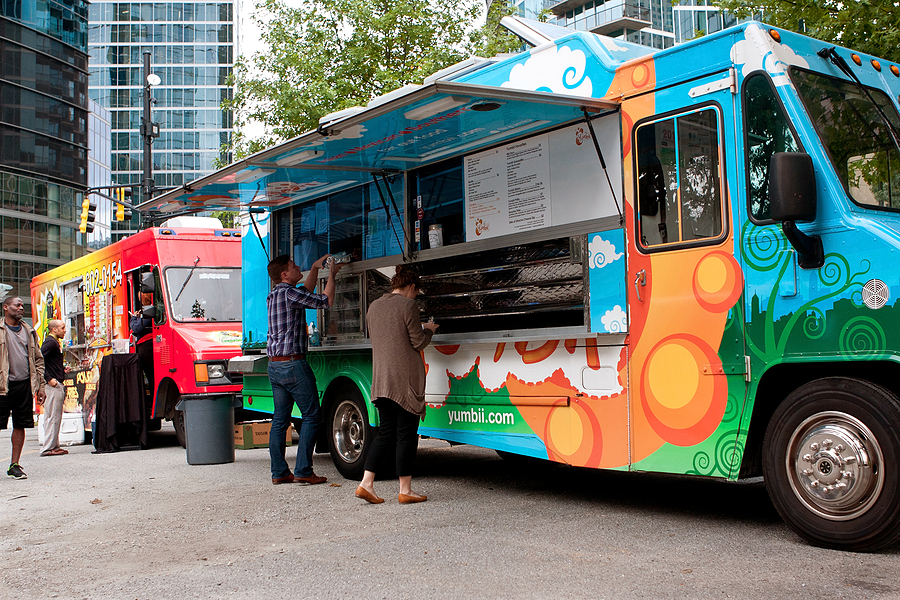
ST. LOUIS, MO (StLouisRestaurantReview) A growing controversy surrounding food trucks is gaining momentum across St. Louis, as city officials, restaurant owners, and mobile food vendors find themselves at odds over potential regulatory changes that could reshape the local dining environment.
At the heart of the issue is a push to expand where and how food trucks can operate within city limits. Proposed adjustments to existing rules could allow mobile vendors to access more high-traffic areas, extend operating hours, and increase their presence in key commercial zones. Supporters see this as a natural evolution of the food industry, while critics warn it may create an uneven playing field.
Expansion Efforts Gain Attention
City leaders are exploring ways to modernize regulations that many believe are outdated. The goal is to reflect current consumer habits, which increasingly favor convenience, flexibility, and diverse dining options. Food trucks have become a visible part of that shift, offering quick service and unique menu offerings in locations where traditional restaurants may not operate.
Advocates argue that expanding food truck access could energize public spaces, attract foot traffic, and provide new opportunities for small business owners. They also point to the role food trucks play in events, festivals, and community gatherings, where they often serve as a central attraction.
Restaurant Owners Raise Concerns
Not everyone supports the proposed changes. Many restaurant owners are expressing concern about the potential impact on their businesses. Unlike mobile vendors, traditional restaurants operate with higher fixed costs, including rent, utilities, staffing, and long-term commitments.
There is growing concern that increased access to food trucks—especially near established dining areas—could draw customers away from brick-and-mortar locations. For some operators, the concern is not just competition, but whether that competition is balanced fairly.
Questions have also been raised about consistency in regulations. Restaurant owners want assurance that food trucks are held to similar standards for health inspections, zoning restrictions, and operational requirements.
Food Truck Operators Push Back
Food truck owners, however, see the situation differently. Many view their businesses as an entry point into the food industry, often requiring less capital than opening a full-service restaurant. They argue that food trucks contribute to the local economy by creating jobs, supporting suppliers, and offering affordable dining options.
Operators also emphasize that mobility is part of their business model, allowing them to serve different areas and adapt to demand. For many, food trucks are not direct competitors to restaurants but rather a complementary part of the food ecosystem.
Some point out that successful food truck ventures often lead to permanent restaurant locations, making them a stepping stone for long-term business growth.
A Shift in Consumer Behavior
The debate reflects a larger change in how people choose to eat. Convenience, speed, and variety have become key factors for consumers, especially as busy lifestyles and rising costs influence spending habits.
Food trucks, takeout, and delivery services are all part of this evolving landscape. As these options become more popular, cities like St. Louis are being forced to reconsider how regulations can support innovation while maintaining fairness.
What’s at Stake for St. Louis
The outcome of this debate could have lasting effects on the city’s restaurant industry. Expanding access to food trucks may open doors for new entrepreneurs and create a more dynamic food scene. At the same time, it could increase competition for established restaurants already facing economic pressure.
City leaders now face the challenge of finding a balance that allows both models to thrive. The goal is to create a system where innovation is encouraged without undermining the businesses that have long been part of the community.
As discussions continue, one thing is clear: the future of dining in St. Louis is changing, and how the city responds to this issue will play a major role in shaping that future.
© 2025 – St. Louis Media, LLC d.b.a. St. Louis Restaurant Review. All Rights Reserved. Content may not be republished or redistributed without express written approval. Portions or all of our content may have been created with the assistance of AI tools, such as Gemini or ChatGPT, and are reviewed by our human editorial team. For the latest restaurant news and reviews, head to St. Louis Restaurant Review. https://stlouisrestaurantreview.com/food-truck-debate-st-louis-city/

No comments:
Post a Comment