Friday, July 31, 2026


Webster Groves Chef Loryn Nalic Wins 2026 James Beard Award for Best Chef: Midwest
Chef Loryn Nalic of Balkan Treat Box and Telva at the Ridge has been named the winner of the 2026 James Beard Foundation Award for Best Chef: Midwest. This historic victory—marking the first regional win for a St. Louis-based chef since 2017—has sparked a massive wave of new patrons, national culinary tourism, and well-deserved acclaim for her Webster Groves establishments.


WEBSTER GROVES, MO - July 31, 2026 (StLouisRestaurantReview) Loryn Nalic - The quiet, tree-lined streets of Webster Groves have long been celebrated for their historic charm, community spirit, and thriving local business districts. However, over the past few weeks, the hum of excitement has reached a fever pitch. At the prestigious 2026 James Beard Foundation Awards, Chef Loryn Nalic—co-owner alongside her husband, Edo Nalic—captured the coveted title of Best Chef: Midwest. Her historic victory has not only crowned years of relentless dedication and culinary craftsmanship but has also ignited a powerful surge of new patrons, regional food enthusiasts, and national media attention directed straight to her celebrated Webster Groves concepts.


The 2026 James Beard Foundation Award winners were announced and presented on Monday, June 15, 2026, during the annual Restaurant and Chef Awards Ceremony held at the Lyric Opera of Chicago.

A Monumental Milestone for St. Louis Dining


For the St. Louis metropolitan food scene, Nalic’s win is nothing short of historic. The James Beard Foundation Awards, widely considered the highest honor in the American culinary industry and often referred to as the "Oscars of the food world," recognize culinary excellence, exceptional hospitality, sustainable practices, and profound community impact across the United States.


The Midwest category is fiercely competitive, encompassing top-tier culinary talent across multiple states, including Missouri, Iowa, Kansas, Minnesota, Nebraska, North Dakota, South Dakota, and Wisconsin. Securing the Best Chef: Midwest medallion is a testament to extraordinary skill, consistency, and a distinct point of view. Notably, Nalic’s victory represents the first time a St. Louis-area chef has claimed the regional Best Chef honor since 2017, breaking a nearly decade-long drought for the gateway city on the national James Beard stage and placing St. Louis firmly back in the national spotlight as an elite culinary destination.

"Winning a James Beard Award changes the trajectory of a restaurant overnight. For Loryn and Edo Nalic, this recognition validates years of introducing unfamiliar, deeply traditional Balkan flavors to American diners with uncompromising authenticity and heart."

Understanding the James Beard Foundation Awards


Established in 1990 and named in honor of the pioneering American cook, teacher, and author James Beard, the James Beard Foundation’s Restaurant and Chef Awards celebrate excellence across various disciplines. The nomination and voting process is rigorous, conducted by an independent panel of more than 600 judges nationwide, comprising prominent food writers, culinary educators, regional restaurant critics, and past award winners.


Nominees and winners are evaluated on a holistic set of criteria, including:

Culinary Excellence: Consistently exceptional food quality, technical mastery, and creative execution.


Hospitality & Atmosphere: Cultivating a welcoming, memorable dining environment for every guest.


Community Leadership: Demonstrating positive contributions to the local community, ethical employment practices, and industry mentorship.


Regional Representation: Championing local sourcing, heritage ingredients, and cultural storytelling through food.

From Humble Mobile Beginnings to National Stardom


Loryn Nalic’s journey to the James Beard podium is a classic American culinary success story defined by passion, persistence, and wood smoke. Long before brick-and-mortar acclaim, the Nalics introduced St. Louis diners to the vibrant, aromatic flavors of the Balkans through their pioneering mobile food truck operation. Serving up blistering-hot, wood-fired specialties baked in custom-built brick ovens, they quickly cultivated a fiercely loyal following.


That mobile momentum paved the way for their permanent culinary anchors in Webster Groves:

Balkan Treat Box (8103 Big Bend Blvd, Webster Groves, MO) – The acclaimed flagship brick-and-mortar restaurant renowned nationwide. Patrons line up daily for wood-fired Balkan breads, freshly baked lahmacun, savory pide, and distinctive regional dishes prepared with traditional technique and modern precision. Its Google Rating is 4.8 stars with more than 1760 online customer reviews.


Telva at the Ridge (60 N. Gore Ave, Webster Groves, MO) – A charming counter-service Balkan cafe and coffee shop that expands on the Nalics' culinary repertoire. Telva treats guests to intricate regional pastries, expertly brewed coffees, and delightful daytime fare in a warm, inviting atmosphere. Its Google Rating is an amazing 4.9 Stars with more than 460 online customer reviews.

The Post-Award Surge: A Welcome Flood of New Patrons


In the wake of the James Beard announcement, both Balkan Treat Box and Telva at the Ridge have experienced an unprecedented influx of visitors. Food lovers from across Missouri, neighboring states, and cross-country culinary tourists are making the pilgrimage to Webster Groves to experience award-winning regional Balkan cuisine firsthand.


While long lines and packed dining rooms are nothing new for the popular establishments, the current wave brings a renewed energy. Diners are eager to experience the legendary hospitality, the hypnotic crackle of the wood-fired ovens, and the unmistakable aromatic spices that define Loryn Nalic's cooking.

Contextualizing the Triumph: Past Midwest Recipients


To fully appreciate the magnitude of Loryn Nalic's win, it is helpful to look at the historical context of the Best Chef: Midwest category. The region has historically seen powerhouse culinary representation from major metropolitan food hubs like Minneapolis-St. Paul, Kansas City, and Chicago.

Year


Winner


Restaurant / Concept


City / State

2026


Loryn Nalic


Balkan Treat Box


Webster Groves, MO

2025


Karyn Tomlinson


Myriel


St. Paul, MN

2024


Christina Nguyen


Hai Hai


Minneapolis, MN

2023


Natalia Rosario


Indaco / Regional Concept


Omaha, NE

2017


Kevin Nashan


Sydney Street Cafe


St. Louis, MO

2015


Gerard Craft


Niche


St. Louis, MO

As illustrated by past regional titans like Gerard Craft (2015) and Kevin Nashan (2017), a James Beard win serves as a permanent badge of honor that elevates not only the winning chef and their restaurants but the entire regional dining ecosystem. By bringing home the 2026 award, Loryn Nalic cements her legacy alongside St. Louis culinary royalty while forging an entirely unique path defined by Balkan heritage.

Looking Ahead: A Bright Future for Webster Groves


For residents of Webster Groves and longtime patrons of Balkan Treat Box and Telva at the Ridge, the national recognition feels deeply personal. It celebrates a local team that stayed true to their vision, honored authentic cultural traditions, and invested deeply in their community.


As the summer of 2026 unfolds, the ovens are fired up, the lines are wrapping around the corner, and Chef Loryn Nalic stands proudly at the helm of a culinary movement—proving that world-class cuisine can flourish right in the heart of St. Louis County.


Article published by St. Louis Restaurant Review Editorial Staff. https://stlouisrestaurantreview.com/loryn-nalic-james-beard-award/

Monday, July 27, 2026


Jekyll & Hyde Brings Duality, Drama, and Culinary Intrigue to the Delmar Loop
ST. LOUIS, MO - July 27, 2026 (StLouisRestaurantReview) The St. Louis dining scene has always thrived on character, but few neighborhoods possess the restless, ever-evolving creative energy of the Delmar Loop. Stretching across the border of St. Louis and University City, the Loop is a legendary cultural corridor where art, music, independent retail, and diverse culinary traditions collide. In an ecosystem known for rewarding bold concepts, a new heavyweight has emerged on the corner of 6100 Delmar Boulevard: Jekyll & Hyde.


Taking over the prominent high-visibility space previously occupied by Prime 55 Restaurant and Lounge, Jekyll & Hyde has rapidly captured the attention of local food critics, neighborhood regulars, and weekend visitors alike. Following its strategic soft opening phase and subsequent grand debut, this concept—brought to life by the hospitality group behind adjacent neighborhood favorite Amigo Sole—has proven that modern restaurant success relies on much more than just a menu. It requires an immersive atmosphere, a distinct point of view, an innate understanding of what contemporary diners crave, and an uncompromising commitment to guest satisfaction that is already reflected in its stellar digital reputation.

Jekyll & Hyde - A Prime Corner Revitalized


For anyone familiar with the eastern stretch of the Delmar Loop, 6100 Delmar Blvd is a landmark anchor location. When the space became vacant, speculation naturally swirled regarding what kind of concept could successfully command such a high-profile footprint. Enter the creative team behind Amigo Sole, who recognized an opportunity to stretch their culinary muscles and add a completely different tier of experiential dining to the strip.


Rather than playing it safe with a carbon-copy concept, the ownership group leaned into a theatrical premise. The name Jekyll & Hyde immediately evokes themes of duality, contrast, and dramatic transformation—motifs that have been cleverly woven into every facet of the restaurant's physical layout, service style, and menu architecture.


Stepping through the doors, guests are greeted by an interior design scheme that breaks away from monotonous corporate uniformity. Moody, sophisticated lighting accents striking architectural details, creating an environment that feels simultaneously upscale and mysteriously inviting. It is a space designed to transition seamlessly from an early evening dinner spot into a vibrant, high-energy nighttime destination as the weekend sets in.

A Menu of Duality: Where Steakhouse Tradition Meets Latin Flair


The true brilliance of Jekyll & Hyde’s strong opening lies in its kitchen execution. Crafting a menu that successfully bridges two distinct culinary worlds is no small feat, yet the kitchen team has managed to strike a harmonious, exciting balance.


The concept plays on its namesake by offering a menu split between two compelling identities:

The "Jekyll" Side of the Ledger: Represents refined comfort and classic indulgence. Here, guests find premium, expertly charred steakhouse cuts, rich preparations, and comforting culinary touchstones executed with precision and high-grade ingredients.


The "Hyde" Side of the Ledger: Introduces a wilder, more adventurous streak featuring vibrant Latin, Spanish, and Mexican-inspired flavor profiles, creative plate compositions, and complex spice pairings that command attention.

Dishes like their signature plates—including inventive comforting mains like Arroz Con Puerco—demonstrate a kitchen unafraid of bold seasoning and deep, layered flavors. This duality ensures that a table of four can sit down and experience entirely different dimensions of the culinary spectrum, whether they are leaning toward a decadent, traditional steak dinner or exploring dynamic, globally inspired plates.


The beverage program mirrors this dual identity. Behind the bar, skilled mixologists are slinging everything from meticulously crafted classic cocktails to inventive house signatures featuring artisanal spirits, fresh citrus, and house-made infusions designed to complement the kitchen's robust flavor profiles.

Jekyll & Hide - Instant Acclaim: Exceptional Community Response


It is rare for a new concept to build significant momentum right out of the gate, but Jekyll & Hyde has secured its footing as one of the top destination restaurants to watch in the St. Louis metropolitan area. In a regional landscape featuring heavy competition across St. Louis City, Clayton, and the surrounding counties, standing out requires genuine innovation and immediate validation from the dining public.


Diners have responded with overwhelming enthusiasm, propelling the restaurant to an extraordinary 4.9-star Google rating backed by more than 100 customer reviews. In an industry where early-stage operations frequently experience growing pains, maintaining a near-perfect score across a triple-digit review volume speaks volumes about the consistency of the kitchen, the warmth of the front-of-house staff, and the overall guest experience.


Industry insiders note that the restaurant's success stems from a comprehensive approach to hospitality. Front-of-house and back-of-house operations have hit the ground running, maintaining high service standards even during peak weekend rushes when the Delmar corridor draws heavy foot traffic from nearby entertainment venues, the MetroLink station, and the Pageant.


Furthermore, the restaurant's integration into the existing fabric of the Loop has been seamless. By sitting right next door to its sibling concept, Amigo Sole, the ownership group has effectively turned that corner of Delmar into a dynamic culinary hub, offering two entirely distinct styles of dining just steps apart.

Jekyll & Hyde - The Verdict: A Welcome Evolution for the Loop


The St. Louis restaurant community is notoriously discerning. Diners here appreciate authenticity, value creativity, and are quick to support local operators who invest heavily in their craft. Jekyll & Hyde has checked all of these boxes during its inaugural months, proving that theatrical dining concepts can thrive when backed by serious culinary execution, professional management, and an engaged community eager to give praise.


Whether you are looking to settle into a plush booth for an exceptional cut of steak, explore bold Latin-influenced plates, or simply soak in the electric atmosphere of one of the Loop's most exciting new rooms, Jekyll & Hyde has firmly established that it is more than just a clever name—it is a formidable new staple of the St. Louis dining scene.


Jekyll & Hyde is located at 6100 Delmar Blvd, St. Louis, MO 63112. Operating hours typically span Tuesday through Sunday evenings. Reservations and inquiries can be made by contacting the restaurant directly.


 https://stlouisrestaurantreview.com/jekyll-hyde-culinary-delmar-loop/

Wednesday, July 22, 2026


Broadway Oyster Bar Review: Best Cajun in St. Louis
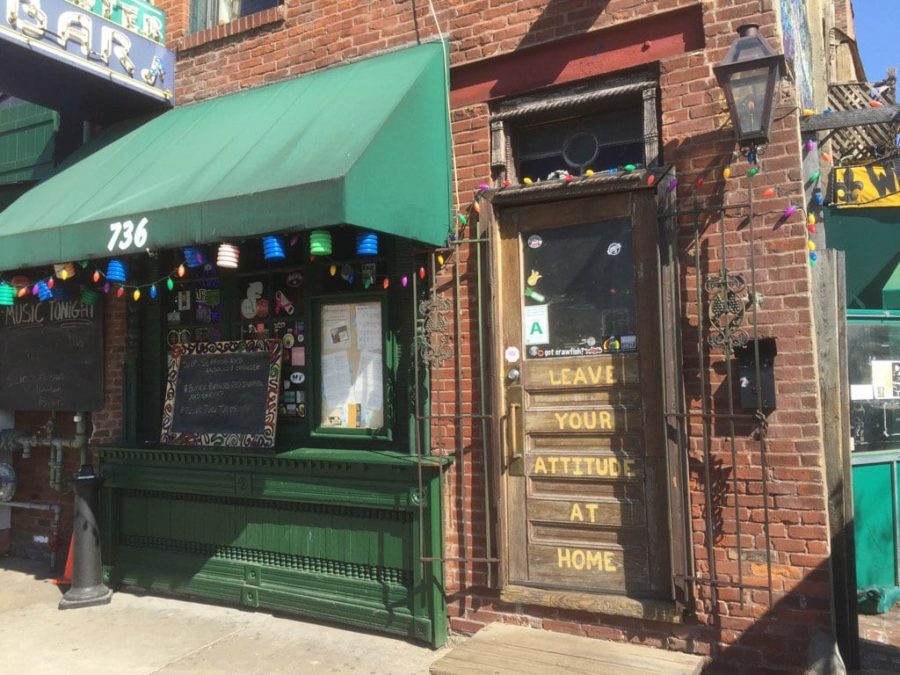
Broadway Oyster Bar (BOB) in downtown St. Louis is widely celebrated as the city's highest-rated Cajun and Creole restaurant, boasting a 4.6 on Google, 4.4 on Yelp, and 4.5 on TripAdvisor. Housed in a historic 1840s building near Busch Stadium, this iconic local staple delivers an authentic New Orleans experience with fresh Gulf oysters, signature dishes like the alligator sausage and shrimp cheesecake, and free live music twice a day. Whether you are a local looking for the perfect patio or a visitor craving authentic Southern flavor, Broadway Oyster Bar is a lively, award-winning destination that rarely disappoints.


ST. LOUIS, MO - July 22, 2026 (StLouisRestaurantReview) If you are craving the soulful, heavily spiced flavors of the French Quarter but find yourself 700 miles north of Louisiana, St. Louis has a surprisingly authentic answer. Known affectionately by locals as "BOB," the Broadway Oyster Bar has firmly established itself as a cornerstone of the St. Louis culinary and music scenes.


Here is an in-depth look at what makes this funky, graffiti-chic seafood dive a must-visit.

The Vibe and History: A Funky St. Louis Landmark


Stepping into Broadway Oyster Bar feels like walking into a beloved, slightly chaotic neighborhood joint in the Marigny neighborhood of New Orleans. The restaurant is housed in one of the oldest buildings still in daily use in St. Louis, dating back to the mid-1840s. Over its 170-year history, the limestone building has served as a family home, a boarding house, a Chinese laundry, a record store, and even a bordello. Some staff and patrons even claim good-natured spirits haunt the building.


The interior is famously cozy—and covered in decades of patrons' graffiti—but the real draw is the outdoor seating. The restaurant boasts a massive, sprawling patio that is fully enclosed and heated during the winter, and open to the breeze during the summer. They also added an adjacent New Orleans-style Beer Garden featuring custom umbrellas, a big-screen TV, and open seating for pre-game or post-game crowds.


Live Music: You can't talk about BOB without mentioning the music. They offer live music twice a day, every day of the week (except Fridays, which feature one main act). Expect a heavy rotation of blues, funk, roots, reggae, and touring jam bands—with no cover charge for most shows.

The Menu: Standout Cajun & Creole Dishes


Broadway Oyster Bar isn't just surviving on its atmosphere; the food is the main event. It consistently ranks as the highest-rated Cajun restaurant in the St. Louis area, and the menu pulls no punches when it comes to rich, authentic flavor.


Here are a few menu highlights you cannot miss:

The Oysters: They fly in fresh Gulf and Blue Point oysters daily. While you can get them raw on the half shell, the Char-Grilled Oysters (grilled over an open flame with garlic butter, Creole spices, and parmesan) and the Oysters Rockefeller are crowd favorites.


Alligator Sausage & Shrimp Cheesecake: Do not let the name fool you—this is a savory appetizer, not a dessert. It is an incredibly rich, decadent dish that the Riverfront Times even specifically awarded as a "Best Pleasant Surprise".


Shrimp Voodoo: Fresh Gulf shrimp, breaded and fried, then tossed in their signature Sriracha voodoo sauce and topped with a spicy Cajun slaw.


Crawfish Enchiladas: Crawfish-stuffed flour tortillas bathed in a spicy cheese sauce, topped with chipotle sour cream, and served alongside jambalaya.


The Classics: The Andouille, Chicken, and Seafood Gumbo is some of the best in the city, and their Red Beans & Rice (made with house-smoked tasso) is deeply comforting.

Ratings and Accolades


Impressive numbers and decades of local awards back Broadway Oyster Bar's reputation:

Platform


Rating


Review Count

Google


4.6 / 5.0


8,900+

Yelp


4.4 / 5.0


2,800+

TripAdvisor


4.5 / 5.0


1,600+

Note: Review counts are approximate based on recent data on July 22, 2026


Beyond crowd-sourced review sites, BOB is a darling of local food critics. Sauce Magazine readers have consistently voted it "Favorite Cajun-Creole Cuisine" and "Favorite Seafood" over multiple decades. The Riverfront Times has awarded it "Best Cajun/Creole" nearly 30 times since 1992, alongside nods for "Best Outdoor/Patio" and "Best Live Music Venue". In 2015, the Missouri Restaurant Association even named it "Restaurant of the Year".

Practical Info & Tips for Your Visit


If you are planning a trip to Broadway Oyster Bar, keep a few logistical things in mind:

Location & Parking: It's located at 736 S Broadway, just a couple of blocks south of Busch Stadium. Because of its proximity to the stadium, parking can be incredibly scarce (and expensive) during Cardinals home games. Plan to rideshare or walk if there is a game.


Wait Times: They do not take traditional reservations for the main dining area, but you can call ahead to have your name put on a "priority list" to shorten your wait time. The Beer Garden is open seating.


Cover Charges: While most live music is free, they do occasionally charge a cover for highly popular or national touring acts, which goes directly to the band.

Broadway Oyster Bar perfectly marries world-class Southern seafood with the gritty, soulful charm of a historic blues club. Whether you are coming for the char-grilled oysters, the live jam bands, or a strong Hurricane on the patio, it is an essential St. Louis experience.


More restaurant reviews published on St. Louis Restaurant Review - STLRR:

- Chava’s Mexican Restaurant: #1 St. Louis Mexican Food Review


- Best BBQ in the St. Louis region for 2026


- Why Everyone Is Talking About Costello’s Pizzeria & Subs in Florissant


- A Review of Kreis’ Steakhouse & Bar – St. Louis https://stlouisrestaurantreview.com/broadway-oyster-bar-cajun-st-louis/

Tuesday, July 21, 2026


Pop's Grill, Fish & Chicken Cited for Illegal Grease Dumping
A North St. Louis County restaurant, Pop's Grill, Fish & Chicken, was recently cited after employees were caught on camera dumping cooking grease into a stormwater drain. This article details the environmental hazards of improper Fats, Oils, and Grease (FOG) disposal, the severe flooding and pest issues it causes for local neighborhoods, and the essential compliance strategies every St. Louis restaurant owner must follow to avoid massive fines and reputational damage.

The North County Grease Dumping Incident Involving Pop's Grill, Fish & Chicken


ST. LOUIS, MO - July 21, 2026 (StLouisRestaurantReview) Recently, a disturbing incident in North St. Louis County captured the attention of local authorities and the public alike. A local foodservice establishment, Pop's Grill, Fish & Chicken, 8141 N Lindbergh Blvd, Florissant, MO 63031, was caught on camera blatantly violating environmental and municipal regulations by pouring used cooking grease directly into a neighborhood stormwater drain. This alarming event has resulted in immediate citations for the business in question, but more importantly, it serves as a crucial wake-up call for the entire regional hospitality industry.


For operators reading the St. Louis Restaurant Review, this incident is a stark reminder of the massive responsibilities that come with managing a commercial kitchen. Disposing of waste illegally is not merely a minor shortcut; it is a severe infraction with far-reaching consequences that ripple outward, affecting local infrastructure, environmental health, and the economic vitality of the surrounding community. Operating a restaurant in this region means being a steward of the neighborhood, and intentional pollution severely violates that community trust.

The Danger of FOG in Commercial Kitchens


To fully grasp why regulatory agencies treat this violation so severely, we must first understand the mechanics of Fats, Oils, and Grease—commonly referred to in the wastewater and plumbing industries as FOG. In a bustling commercial kitchen, FOG is an unavoidable byproduct of daily culinary operations. It comes from deep-frying oils, meat fats, dairy products, butter, and heavy sauces.


When these substances are hot, they exist as free-flowing liquids, making them deceptively easy to pour down a sink or, in this unfortunate case, a street grate. However, as soon as these lipids encounter the cooler temperatures of underground municipal piping, a rapid physical transformation occurs. The grease congeals, hardens, and aggressively adheres to the interior walls of the pipes. Over time, these layers build up, catching other debris, trash, and sediment, eventually forming massive, impenetrable blockages known as "fatbergs." These blockages are incredibly difficult to remove and compromise the structural integrity of the entire drainage system.

Stormwater Drains Are Not Sewers


A critical point of education for all kitchen staff is the fundamental difference between sanitary sewer lines and municipal stormwater drains. Sanitary sewers are specifically designed to transport wastewater from indoor sinks, toilets, and floor drains to dedicated treatment facilities. There, the water is heavily processed, filtered, and cleaned before being safely released back into the environment.


Stormwater drains, on the other hand, serve a completely different and highly specific purpose. The grates you see on the edges of parking lots, alleys, and neighborhood streets are designed exclusively to manage rainwater runoff, preventing localized flooding during heavy Midwestern thunderstorms. The water that enters these storm drains does not go to a treatment plant. It flows completely untreated and directly into our local waterways, including neighborhood creeks, streams, and eventually the Missouri and Mississippi Rivers. Pouring anything other than rainwater into these drains is a direct violation of environmental law.

Devastating Neighborhood and Environmental Effects


When a restaurant employee dumps hot grease into a storm drain, they are effectively injecting a toxic, suffocating slick directly into the local ecosystem. As the grease reaches natural bodies of water, it spreads across the surface, blocking vital sunlight and oxygen from penetrating the water. This rapid depletion of oxygen essentially suffocates aquatic plant life, fish, and beneficial microorganisms. The introduction of heavy, rotting organic matter also triggers severe algae blooms, which further degrade water quality and destroy the delicate balance of local habitats.


Beyond the ecological devastation, the immediate neighborhood surrounding the offending restaurant suffers deeply tangible consequences. When stormwater pipes become clogged with congealed grease, they completely lose their capacity to channel rainwater away from the streets. During the next heavy rain, the water has nowhere to go, resulting in severe street flooding, property damage, and the backup of hazardous water into the parking lots and basements of neighboring businesses and residential homes.


Furthermore, the rotting grease trapped in the shallow catch basins emits a remarkably foul, rancid odor that permeates the neighborhood. This stench inevitably attracts a host of unwanted pests, including rats, mice, roaches, and flies, creating an acute public health hazard and drastically reducing the quality of life for nearby residents. A single restaurant's negligence can effectively downgrade the safety and sanitation of an entire city block.

Crushing Financial Liabilities and Brand Damage


From an operational and legal standpoint, the financial liabilities associated with illegal FOG disposal are staggering. The Metropolitan St. Louis Sewer District (MSD) and local health departments do not take these violations lightly. When a business is caught dumping grease, they are immediately hit with substantial municipal citations and fines.


However, the regulatory fines are often just the beginning of the financial nightmare. The municipality will typically dispatch specialized public works crews equipped with heavy-duty vacuum trucks and high-pressure hydro-jetting equipment to clear the solidified blockages from the public infrastructure. The offending restaurant is frequently held fully liable for the exorbitant costs of this emergency municipal cleanup, which can easily run into the tens of thousands of dollars, completely wiping out a restaurant's profit margin for the entire year.


In today’s hyper-connected digital landscape, the damage to a restaurant’s brand and reputation can be even more devastating than the financial penalties. As seen in this North County incident, violations are increasingly "caught on camera" by vigilant citizens equipped with smartphones or nearby security systems. When footage of a restaurant willingly polluting their own neighborhood hits social media platforms and local news outlets, the public backlash is instantaneous and unforgiving. Modern consumers care deeply about corporate responsibility and sustainability. A viral video of illegal dumping shatters consumer trust, leading to widespread boycotts, plummeting online review scores, and an irreparable stain on the brand’s image.

Essential Compliance Strategies for St. Louis Restaurants


Maintaining strict compliance is the only way forward for responsible operators. Every commercial kitchen must be equipped with properly sized, professionally installed grease traps for indoor plumbing fixtures and larger exterior grease interceptors. However, merely having this equipment is not enough; it must be rigorously maintained. Restaurant owners must establish binding contracts with certified, licensed liquid waste haulers and rendering companies to regularly pump out, clean, and recycle the accumulated grease before the traps exceed their functional capacity.


Ultimately, a restaurant’s compliance strategy is only as strong as its least trained employee. Owners and general managers must implement comprehensive Standard Operating Procedures (SOPs) regarding waste disposal. Staff must be trained to meticulously scrape all plates, pots, and pans into solid waste trash receptacles before they ever reach the dishwashing station. Used fryer oil must be carefully transferred to designated, secure outdoor rendering bins, utilizing proper safety equipment to prevent spills. This training must be ongoing, reinforced regularly, and closely monitored by shift supervisors, particularly during chaotic closing shifts when exhausted employees might be tempted to cut corners. https://stlouisrestaurantreview.com/pops-grill-fish-chicken-cited-illegal-grease-dumping/


Heritage Sports Bar Grill Closes Permanently Without Public Notice
Heritage Sports Bar and Grill in Collinsville, Illinois, has closed permanently. The venue shut down without notifying the public or its vendors. As a result, digital ordering systems remained active. We apologize to eOrderSTL customers and are issuing refunds for affected orders.

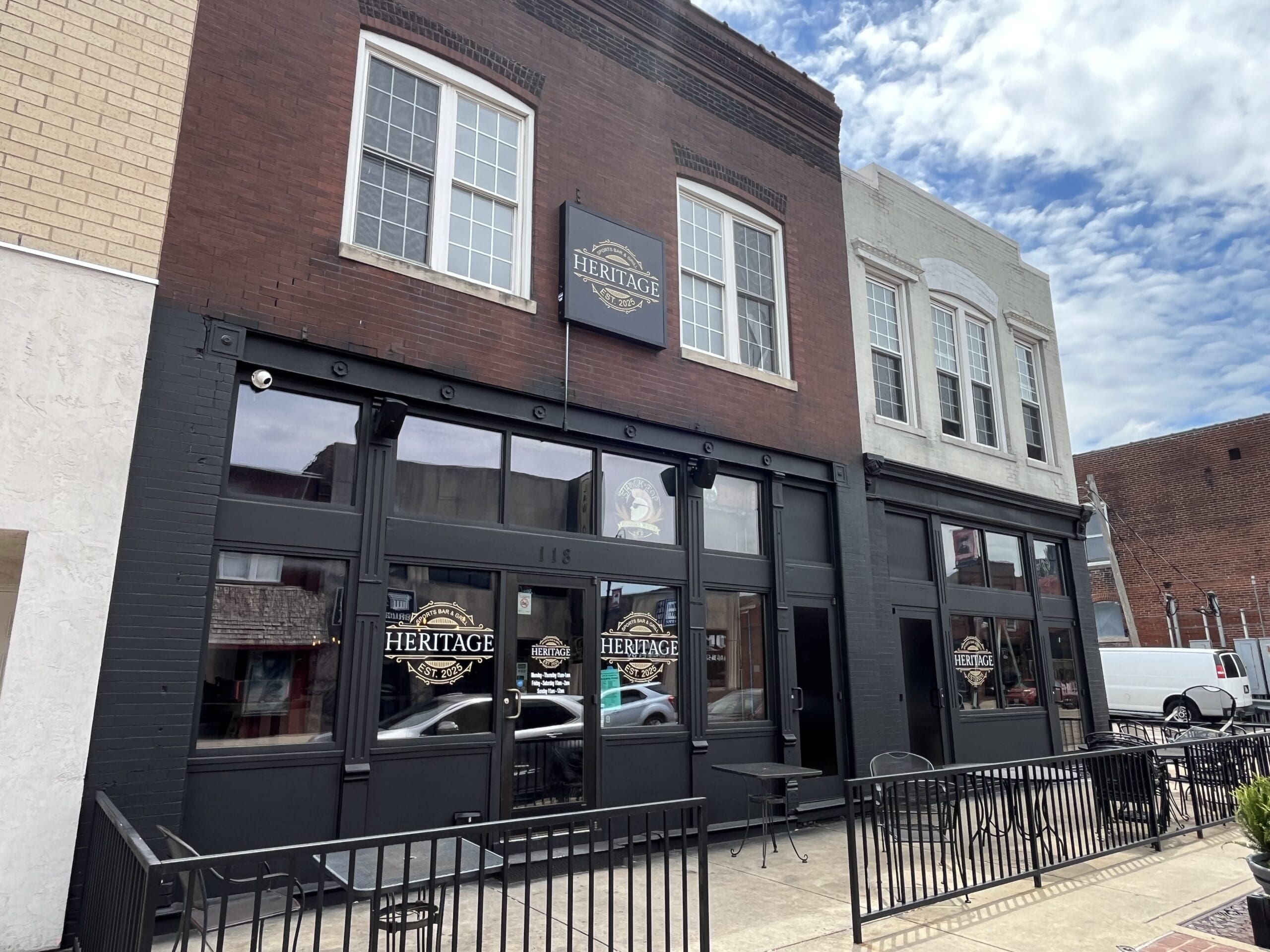
Sudden Shutdown: Heritage Sports Bar & Grill at 118 East Main Street


COLLINSVILLE, IL - July 21, 2026 (StLouisRestaurantReview) The local dining scene in Collinsville, Illinois, has unexpectedly lost a popular neighborhood fixture. Heritage Sports Bar & Grill—widely known to local patrons simply as Heritage Grill—has permanently closed its doors at 118 East Main Street. Situated in the heart of the historic downtown business district, the establishment recently ceased all operations. However, the most concerning aspect of this permanent departure was not the closing itself, but rather the complete absence of communication surrounding it. Ownership and management locked the doors without providing a formal announcement, social media post, digital update, or physical notice on the building to warn loyal customers and commercial partners.


Before shutting down, the venue had built an impressive reputation throughout the community. Boasting a strong 4.7-star rating on Google Reviews, Heritage Sports Bar & Grill was frequently praised for its inviting atmosphere, covered outdoor patio, and extensive menu featuring popular items like house-blend smash burgers, bone-in wings, and signature sandwiches. With live entertainment and numerous high-definition screens broadcasting regional sporting events, the establishment appeared to be a thriving fixture of downtown Collinsville. That strong reputation makes the sudden, silent departure all the more jarring for local residents.

The Professional Responsibility of Closing Announcements


When a local establishment decides to permanently shut its doors, providing a clear and timely announcement is a fundamental standard of business ethics. A formal notice affords loyal patrons the opportunity to visit one last time, redeem outstanding gift certificates, and say goodbye to the staff who served them. Beyond the customer relationship, closing a restaurant involves a complex ecosystem of trade partners, food distributors, equipment suppliers, local marketing agencies, and software technology providers who depend on direct, timely communication to settle outstanding accounts and properly deactivate public services.


Shutting down overnight without alerting commercial vendors creates a disruptive ripple effect. When a venue fails to notify its operational partners, public directories and online ordering platforms continue functioning as if the business were open. This lack of professional courtesy places an unnecessary burden on third-party partners and leaves customers feeling deceived. While managing the end of a business is undoubtedly stressful, maintaining open lines of communication with vendors and the community remains a critical responsibility until the final key is turned.

Apology to eOrderSTL Users and Refund Protocol


Unfortunately, this total lack of notification directly impacted our digital services and the customers who rely on them every day. Because Heritage Sports Bar & Grill did not inform our platform or their digital directories of their permanent shutdown, online ordering capability remained fully active long after the kitchen equipment had been turned off and the doors locked. We want to extend a sincere and unconditional apology to any patrons who attempted to purchase food through the eOrderSTL platform during this period.


Because our team was kept entirely in the dark regarding the closure, transactions were processed for a kitchen that was no longer operating. We take full responsibility for rectifying this situation for our users. If you placed an online order for Heritage Sports Bar & Grill on eOrderSTL and did not receive your food due to the unannounced shutdown, we are committed to issuing a full refund immediately. Proof of purchase is necessary.


To request your refund, please locate the specific ticket number found on your digital receipt or order confirmation email. Once you have your ticket number, contact our support team directly. We will verify the transaction using your ticket number and process a complete refund to your original payment method without delay. We deeply regret any inconvenience or disappointment this situation caused.

Severe Headwinds Facing Today’s Independent Restaurants


While the manner in which this closure was executed was far from ideal, the event itself highlights the extraordinary pressures currently straining the broader restaurant industry. Across the country and throughout the greater St. Louis metropolitan area, independent restaurant operators are attempting to navigate an increasingly brutal economic environment characterized by soaring operational costs and razor-thin profit margins.


First, relentless food price inflation has dramatically increased wholesale costs for basic kitchen staples, proteins, cooking oils, and packaging materials. Restaurant owners face the difficult dilemma of absorbing these steep cost increases or passing them along to consumers who are already pulling back on discretionary dining spending.


Second, acute labor shortages have pushed payroll expenses to record highs. To attract and retain qualified kitchen staff, line cooks, and front-of-house personnel, venues must offer significantly higher hourly wages and competitive perks. Combined with escalating costs for commercial utilities, property taxes, building leases, and liability insurance, the daily break-even threshold for a brick-and-mortar restaurant has reached unprecedented levels. Even establishments that appear packed on Friday nights and hold glowing online reviews can quietly struggle to maintain positive cash flow behind closed doors.

Looking Ahead for Collinsville’s Downtown Business District


The sudden loss of Heritage Sports Bar & Grill leaves a prominent vacancy along Collinsville’s Main Street corridor. While industry challenges explain why many small businesses struggle to survive, they also emphasize the importance of community support and transparent business practices. As the local commercial landscape continues to evolve, we remain dedicated to supporting local dining establishments while protecting the interests of the consumers who patronize them. We encourage our readers to continue supporting nearby independent restaurants while we monitor future development plans for the 118 East Main Street space.


The owners are Devon Shitsell, who owns Bann Thai Restaurant in Edwardsville, IL, and Max Tracy, who is a partner and manager.  We have looked around and can't find any information about advance notice of closing.


Additional resources:

- Facebook Page https://stlouisrestaurantreview.com/heritage-sports-bar-closes-permanently/

Wednesday, July 15, 2026


Pizzeria da Gloria - St. Louis, MO
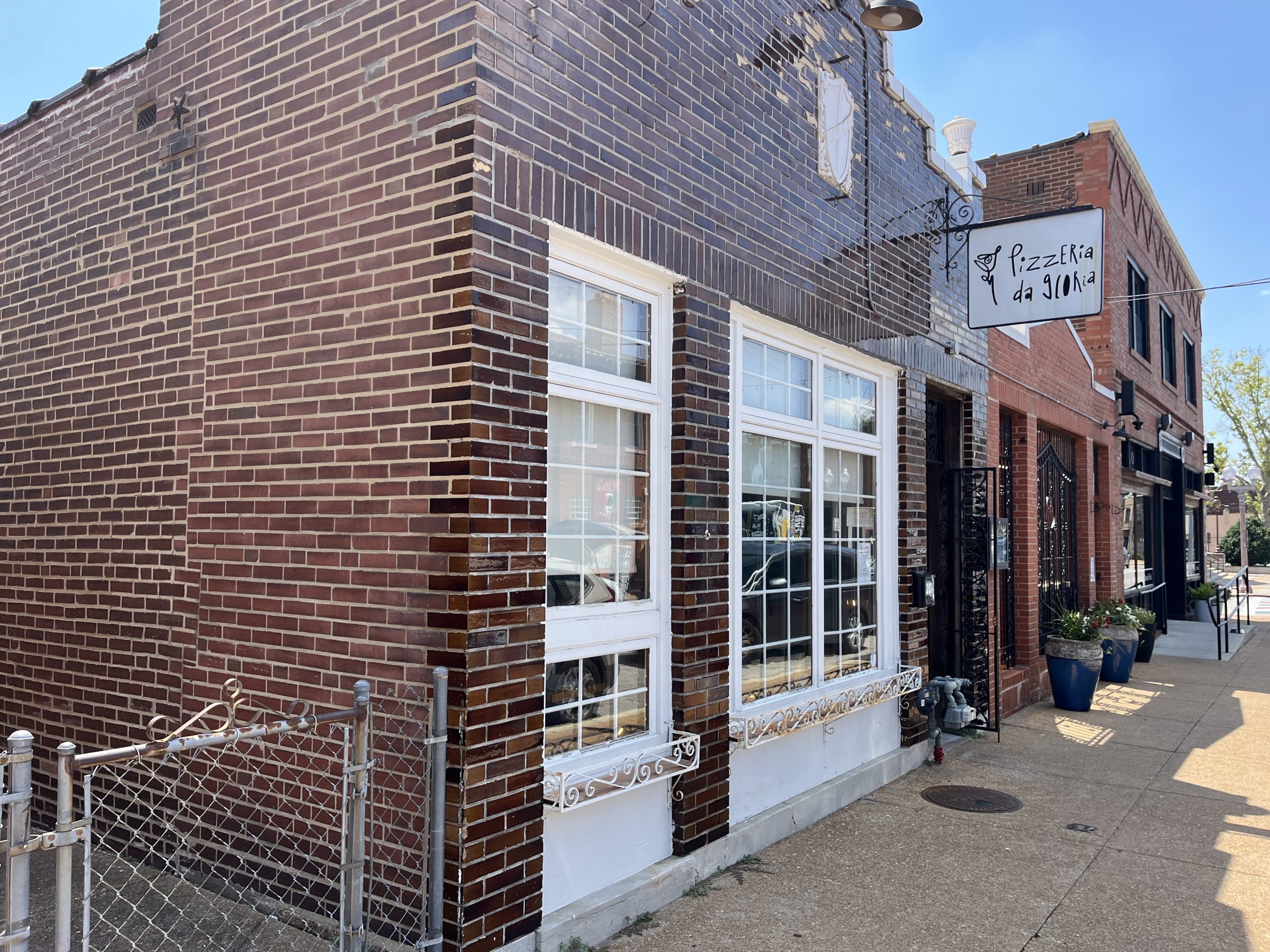
Pizzeria da Gloria, 2024 Marconi Avenue, St. Louis, MO, is a top-rated pizza restaurant with a Google Rating of 4.7 stars, with more than 620 online reviews.


Introduction: A New Paradigm of Wood-Fired Excellence on The Hill


ST. LOUIS, MO (StLouisRestaurantReview) Tucked away on Marconi Avenue, between the historic St. Ambrose Church and the neighborhood landmark Milo's, sits Pizzeria da Gloria. While the historic St. Louis neighborhood of "The Hill" has long been celebrated for its red-sauce institutions, white-tablecloth mainstays, and classic St. Louis-style thin crusts, Pizzeria da Gloria introduces an entirely refreshed narrative to the local culinary landscape. Opened in late 2020 by owner and head pizzaiolo Joe Kurowski, this establishment bridges the rich, generational heritage of Italian-American dining with a deeply disciplined, artisan approach to wood-fired pizza. Named in loving memory of Kurowski's grandmother, the pizzeria is built on a simple foundation: do one thing, and do it with uncompromising perfection. By focusing strictly on scratch-made pies, vibrant salads, and intentional appetizers, Pizzeria da Gloria bypasses standard Italian-American staples like toasted ravioli or chicken cutlets to protect the integrity of its oven-centric mission.


Pizzeria da Gloria - The Culinary Journey Behind the Dough


The soul of Pizzeria da Gloria is rooted in a global journey of culinary education. Before lighting the ovens on Marconi Avenue, Joe Kurowski immersed himself in the mechanics of dough fermentation across New York and Italy, stepping away from a career in law to pursue his passion. A pivotal masterclass in Rome with Gabriele Bonci—the revolutionary figure often dubbed the "Michelangelo of dough"—fundamentally shifted Kurowski's perspective on hydration and dough manipulation.


This educational path wound through an apprenticeship at the acclaimed Fornino in Brooklyn, a stint running the intense line at Danny Meyer's Roman-style concept Marta in Manhattan, and hands-on training in the heart of Naples at Pizzeria dal Presidente under world-champion hands. Kurowski absorbed the instincts of old-world masters who measured nothing by modern scales but calculated proofing times by pure touch, temperature, and seasoned experience. While his training covered everything from Rome's famed pan pizza to traditional Neapolitan methods, the resulting product served at Pizzeria da Gloria is a round, wood-fired, Neapolitan-adjacent pie. It boasts a beautifully blistered char yet maintains a structurally sound, crispy undercarriage that prevents the center from collapsing, preserving a light, pillowy chew.

A Hyper-Focused, Seasonally Driven Menu


The kitchen operates with an intense respect for both classic Roman tradition and Midwestern seasonality. Every component, from the house-whisked dressings to the hand-stretched cheeses, is prepared completely from scratch using locally sourced ingredients whenever possible.

Artisan Pizzas


The pizza lineup strikes a deliberate balance between timeless simplicity and bold, modern flavor profiles.

The Classics: The Margherita is an exercise in restraint, highlighting house-made fresh mozzarella, a perfectly bright tomato sauce, fresh basil, and a dusting of sharp Pecorino-Romano. For purists, the Marinara features thinly sliced garlic, chili flakes, and extra virgin olive oil layered over a robust tomato base.


Elevated Varieties: The Pepperoni elevates a crowd favorite by combining cup-and-char pepperoni with house-pickled jalapeños, introducing a balanced acidity and heat that cuts beautifully through the rich mozzarella. The Mushroom pie bypasses red sauce entirely, opting for a luxurious white wine lemon cream combined with both fresh and low-moisture mozzarella, topped with roasted cremini and oyster mushrooms, cracked black pepper, and fresh parsley.


Regional Tributes: The Bonci—named after Kurowski's Roman mentor—is a unique, sauce-free creation featuring thinly sliced roasted eggplant, savory garlic-chili oil, kosher salt, and parsley. The Amatriciana brings the depth of the classic Roman pasta sauce to a pizza format, pairing guanciale (cured pork cheek) and red onions with a fermented jalapeño chili paste.


Innovative Seasonality: The menu regularly rotates to highlight creative, unexpected pairings, such as the Blackberry Jam & Cheddar pie, which layers rich mozzarella and sharp Prairie Breeze white cheddar with fresh sage and sweet blackberry jam.

Starters and Salads


Before the main course arrives, the appetizers set a high benchmark for texturally contrasting, savory bites. The house Meatballs are rolled from locally sourced brisket, braised slowly in rich tomato sauce, nestled in a dollop of fresh ricotta, and finished with a crunch of toasted breadcrumbs. For a lighter start, the Pane e Formaggio pairs freshly baked fougasse bread with whipped stracchino cheese, a vibrant salsa verde, radish, and pickled celery. The salad program is equally intentional, highlighted by a classic Caesar tossed with grated Pecorino-Romano and house-toasted breadcrumbs; a Wedge Salad featuring Atidi Farms lettuce, crispy pancetta, pistachios, almonds, and a creamy gorgonzola dressing; and a Creamy Italian Salad tossed in an olive-and-mushroom miso vinaigrette.

The Beverage Program: Natural Wines and Crafted Pairings


To complement the intense heat and char of the wood-fired kitchen, Pizzeria da Gloria curates a sophisticated beverage menu designed for casual pairing. The wine program places a heavy emphasis on natural, low-intervention, and organic European selections, offering rotating glass and bottle options that lean into bright acidities and effervescence—perfect counterpoints to rich cheeses and cured meats. Guests can explore curated wine flights or sample a concise, thoughtful list of craft beers and classic Italian aperitifs, including refreshing spritzers. For non-alcoholic choices, the restaurant features premium imported Italian sodas like A' Siciliana Aranciata and Limonata, alongside St. Louis' own Fitz's root beer.

Soulful Ambiance and Community Spirit


Pizzeria da Gloria offers an environment that feels simultaneously urban, intimate, and deeply residential. The indoor dining room features a cozy, warm layout centered on an open kitchen. This architectural choice allows the sights, sounds, and incredible aromas of the wood-fired oven to fill the room, drawing guests into the pizzaioli's active craft.


Step outside, and you will find one of the most celebrated patio spaces in the St. Louis dining scene. Flanked by beautiful brick walls and string lights, the courtyard patio captures the true neighborhood magic of The Hill. Designed to adapt seamlessly across the seasons, the outdoor space features protective climate walls and heaters during the cooler months, allowing diners to enjoy an open-air meal almost year-round. Whether meeting friends for a casual midweek lunch special, enjoying a romantic date night over natural wine, or picking up a quick weekend carryout order via the Slice platform, Pizzeria da Gloria balances elite culinary execution with the approachable, welcoming hospitality of a true neighborhood staple.


Google Rating - 4.7 Stars with 621 online reviews as of July 15, 2026

Business hours as of July 15, 2026:

Sunday - Closed


Monday - Closed


Tuesday - 11:00 - 2:00 pm - 5:00 pm - 9:30 pm


Wednesday - 2:00 pm - 5:00 pm - 9:30 pm


Thursday - 2:00 pm - 5:00 pm - 9:30 pm


Friday - 2:00 pm - 5:00 pm - 9:30 pm


Saturday - 2:00 pm - 5:00 pm - 9:30 pm

NOTE: Business hours are subject to change without notice.


Business structure as of July 15, 2026:

- Legal Name: Pizzeria da Gloria LLC


- Charter Number: LC001607397


- Status: Active


- Date Formed: August 30, 2028


- Duration: Perpetual


- Registered Agent: Joseph Kurowski


- Source: Missouri Secretary of State

Pizzeria da Gloria


2024 Marconi Avenue


St. Louis, Missouri 63110


Phone: 314-833-3734


Website: PizzeriadaGloria.com


Service Options: Happy hour food · Great cocktails · Vegan options


Additional resources:

- STL.Directory Listing - Pending https://stlouisrestaurantreview.com/pizzeria-da-gloria-st-louis-mo/

Tuesday, July 14, 2026


From Officers' Mess to Calgary Event Space: How The Inn Became the City's Most Unexpected Venue
Quick Answer


(StLouisRestaurantReview) A Calgary event space housed inside a restored heritage building offers what newer venues cannot replicate, namely, original architectural detail, acoustic warmth, and a sense of permanence. Adaptive reuse properties combine protected craftsmanship with modern mechanical upgrades, supporting weddings, corporate functions, and private celebrations. Selection should weigh structural capacity, climate control, accessibility provisions, and operational flexibility before aesthetic appeal influences the final decision. 


Introduction


Event planners often face a familiar bind when shortlisting venues. Newer banquet halls deliver predictable infrastructure but lack character, while older properties carry visual richness yet sometimes fall short on power loads, sightlines, or guest flow. The compromise rarely satisfies clients who want both atmosphere and operational reliability, especially for milestone occasions where every logistical detail influences the final guest experience.

Heritage properties resolve this tension when they have been thoughtfully restored, with original masonry, millwork, and proportions preserved alongside contemporary building systems. A Calgary event space demonstrates how former institutional architecture can serve modern hospitality demands without sacrificing authenticity. 

Built in an era when craftsmanship outweighed schedule, these structures bring acoustic depth and dignified scale that purpose-built rooms simply cannot manufacture, making them increasingly valuable for planners working in a saturated regional market.


Why Heritage Buildings Outperform Standard Hall Rentals


The market for distinctive gathering places has shifted considerably over the past decade. Clients increasingly request properties with documented provenance, original detailing, and a narrative that extends beyond a generic ballroom. This demand has elevated adaptive reuse projects, particularly those repurposing former military, civic, or institutional buildings into hospitality assets that serve weddings, galas, and corporate retreats with equal capability.


Why Provenance Influences Booking Decisions


Architectural pedigree carries measurable weight in the booking process. A former officers' mess, for instance, was originally engineered for formal dining, ceremonial functions, and acoustic clarity during speeches. These original design parameters translate remarkably well to contemporary use, since the building science behind dignified gathering spaces has remained consistent for over a century.

The structural realities of older institutional architecture include thicker masonry walls that dampen exterior noise, taller ceilings that improve air volume per occupant, and load-bearing floors designed for dense crowds. Modern purpose-built halls often economize on these specifications, producing rooms that technically meet code yet feel acoustically flat under capacity loads.


What Planners Should Verify Before Touring


Before any site visit, professional planners should request documentation that confirms a property's operational readiness. This due diligence shortens the decision cycle and prevents surprises during contract negotiation.

- Occupancy classification under the current building code, with seated and reception capacities clearly stated


- Accessibility compliance, including barrier-free entry, washroom provisions, and elevator access where applicable


- Liquor licensing scope and the venue's relationship with caterers regarding bar service


- Insurance certificates confirming liability coverage for both the property and the rented equipment


- Loading logistics for vendors, including dock height, freight access, and parking allotments

The result is a venue assessment grounded in verifiable criteria rather than first impressions. Heritage properties that satisfy these checks while preserving their original character occupy a narrow but valuable segment of the regional event venue market.


Technical Specifications That Separate Great Venues From Average Ones


Beyond the basics of square footage and capacity charts, the technical specifications of a heritage room determine whether an event runs smoothly or struggles against the building itself. Acoustic behaviour, electrical service, and climate stability each influence the guest experience in ways that rarely appear in marketing materials.


Comparing Heritage and Purpose-Built Specifications


The table below outlines how restored institutional architecture typically performs against newer construction across the technical metrics that matter most to planners.

Specification


Heritage Adaptive Reuse


Purpose-Built Modern

Ceiling height


4.0 to 5.5 metres


3.0 to 3.6 metres

Wall assembly


Solid masonry, 300 to 450 mm


Steel-stud with drywall

Acoustic absorption


Plaster, hardwood, textiles


Suspended acoustic tile

Electrical service


Upgraded panels, 200A typical


Engineered for full AV loads

Natural light


Original tall windows


Standardized glazing

Mechanical Systems Behind a Comfortable Room


Climate control deserves particular attention in restored buildings. Original envelopes hold temperature differently than modern construction, and a properly retrofitted property balances guest comfort with preservation requirements. Variable-speed HVAC, supplementary humidity control, and zoned thermostats keep a full room comfortable across a four-hour function without overworking the system.

The combination of preserved structural mass and updated mechanical infrastructure produces rooms that perform reliably across diverse programming, from intimate ceremonies to full-capacity receptions.


Smart Booking Decisions for Long-Term Planning Success


Selecting a venue is rarely a one-time decision for active planners. The properties that earn repeat bookings combine architectural integrity with operational reliability, supporting varied programming across multiple seasons and client profiles.


Building a Long-Term Venue Partnership


Sustained value comes from properties that invest continuously in both preservation and infrastructure, such as The Inn. When evaluating candidates for repeat use, consider the indicators below.

- Documented maintenance schedules for mechanical, electrical, and life-safety systems


- Active conservation work on heritage elements such as masonry, millwork, and original fixtures


- Transparent pricing structures with clearly itemized rental, service, and overtime rates


- Flexible layout configurations supported by trained operations staff


- Established communication protocols between sales, culinary, and event coordination teams

Properties that publish their floor plans, capacity diagrams, and technical specifications online typically operate with greater transparency throughout the contract phase.


Questions Worth Asking Before You Sign


A short pre-contract conversation can surface most operational concerns. Ask how the property handles vendor coordination, whether load-in windows are flexible for elaborate productions, and what contingency provisions exist for weather-affected outdoor components. The answers reveal far more about a venue's professionalism than any photo gallery.


Key Takeaways for Heritage Venue Selection


Choosing a property with architectural pedigree means weighing both visible character and the technical systems behind it. Restored institutional buildings deliver acoustic depth, structural generosity, and operational reliability that newer construction rarely matches when planners apply disciplined evaluation criteria. Verified capacity, documented maintenance, mechanical performance, and transparent vendor coordination separate strong candidates from average ones. 

To sum up, for planners shortlisting an event space, prioritizing technical readiness alongside heritage appeal produces bookings that satisfy clients and support repeat programming across seasons. https://stlouisrestaurantreview.com/from-officers-mess-to-calgary-event-space-how-the-inn-became-the-citys-most-unexpected-venue/

Friday, July 10, 2026


Washington Avenue Food Hall Set to Anchor Downtown St. Louis Culinary Renaissance
The Wash Ave Food Hall, a $3 million experience-driven culinary destination located at 1122 Washington Ave., is officially on track for an October 2026 grand opening in downtown St. Louis. Developed by Oliver Properties and operated by national management firm FIRETEN Hospitality, the 10,000-square-foot indoor-outdoor venue will feature eight distinct food-and-beverage concepts, a dual central bar system, a tech-forward self-serve draft wall by 4 Hands Brewing Co., and a signature retractable-roof patio. Designed to serve as a high-density, pedestrian-friendly hub, the project aims to inject vital retail infrastructure into the Washington Avenue corridor, bridging the gap between local loft residents, daytime office professionals, and the millions of convention-goers visiting the nearby America's Center.


ST. LOUIS, MO - July 10, 2026 (StLouisRestaurantReview) The downtown St. Louis culinary ecosystem is preparing for a major structural addition. Following months of intensive site preparation and structural engineering, developer Alex Oliver of Oliver Properties has confirmed that the highly anticipated Wash Ave Food Hall is on track to officially open its doors in October 2026.


Located at 1122 Washington Avenue—a site that was historically occupied by Copia Restaurant & Wine Garden and later by the short-lived Reign nightclub—the $3 million, 10,000-square-foot redevelopment project is positioning itself as a vital economic and social anchor for the Washington Avenue corridor. Construction, spearheaded by St. Louis-based Raineri Construction with architectural designs by Eimer Design, is slated to wrap up in late summer, clearing the path for kitchen commissioning, vendor build-outs, and staff training throughout September.

A $150 Million Neighborhood Vision


The emergence of the Wash Ave Food Hall is not an isolated real estate play; rather, it represents the retail crown jewel of a sustained, multi-year neighborhood stabilization initiative. To date, Oliver Properties has invested more than $150 million into a tightly concentrated strip of Washington Avenue between Tenth Street and Tucker Boulevard. This sweeping portfolio includes the acquisition and modernization of landmark residential assets such as the Six Cord and Vangard buildings, resulting in over 650 residential units and 150,000 square feet of commercial space.


By taking direct ownership of adjacent parking infrastructure—specifically the surface lots along St. Charles Street between Eleventh Street and Tucker Boulevard—Oliver Properties has systematically addressed the primary friction point for downtown retail: secure, accessible parking. This deliberate layout is engineered to give regional diners peace of mind while establishing a highly walkable "third place" for the dense pocket of thousands of loft residents who call the Central Business District home.


Unlike historical food court models that relied entirely on captive daytime office workers, the Wash Ave Food Hall is built from the ground up for modern, experience-driven urban density. The project's strategic planning was guided by Colicchio Consulting, a premier national advisory team specializing in high-performance food halls. The objective is clear: create a fluid, multi-use space that transitions seamlessly from a casual lunch spot into a high-energy pre- and post-game destination for events at Busch Stadium, Enterprise Center, and the nearby Energizer Park.

Architectural Innovation and the Retractable Roof


The physical layout of 1122 Washington Avenue has been fundamentally reimagined to maximize dwell time and combat Midwestern weather fluctuations. The venue features a total seating capacity of 230 guests, split dynamically between a sleek 5,760-square-foot interior hall and a sprawling outdoor patio spanning over 3,000 square feet.


The defining architectural centerpiece of the build is the state-of-the-art retractable roof patio system. This engineering choice solves the historic operational dilemma faced by St. Louis restaurateurs: how to maintain patio profitability during freezing winter stretches and humid July heatwaves. By deploying a mechanized, weather-sealed enclosure, the management team can activate the indoor-outdoor space 365 days a year, hosting live music, neighborhood programming, and corporate events regardless of external conditions.


Inside the main hall, the layout moves away from traditional, perimeter-dominated cafeteria lines. Instead, the floor plan is anchored by two centralized bars offering craft cocktails, curated wines, and regional spirits. These centrally positioned beverage stations ensure that guests maintain clear sightlines of the entire venue, enhancing the social, communal energy that developers hope will define the space. Adjacent to the seating zones, a dedicated gaming and interactive social activity area is being integrated to encourage patrons to linger long after their meals.

Integrated Technology and the 4 Hands Tap Wall


Operationally, the food hall is breaking away from the fragmented payment processes that often plague multi-vendor operations. Managed by South Florida-based FIRETEN Hospitality, the venue will use a sophisticated, fully unified Point-of-Sale (POS) infrastructure.


When groups dine together, individuals will no longer need to wait in separate lines or execute separate credit card transactions for different cuisines. Guests can scan a single QR code at their table, browse the menus of all eight independent concepts simultaneously, place a collective order, and settle up on a single, aggregated bill. This system drastically minimizes front-of-house friction, shortens ticket times, and simplifies the dining experience for families and large convention parties.


In a major win for local beverage integration, 4 Hands Brewing Co. has partnered with the food hall to launch an advanced, self-serve tap wall powered by PourMyBeer technology. This interactive installation allows craft beer enthusiasts to check in, receive a digital RFID card, and pour their own custom drafts by the ounce. The self-serve wall not only serves as a massive interactive draw for patrons wishing to sample rare, seasonal, and flagship 4 Hands brews, but it also strategically alleviates pressure on the main central bars during peak event windows.

+-----------------------------------------------------------------+


| WASH AVE FOOD HALL CONFIGURATION |


+-----------------------------------------------------------------+


| |


| |


| (372 Sq. Ft.) (372 Sq. Ft.) (372 Sq. Ft.) (Full Service) |


+--------+ +--------+


| | ===================== | |


| 4 | | | | V |


| HANDS | | CENTRAL BARS | | E |


| TAP | | & COCKTAILS | | N |


| WALL | | | | D |


| | ===================== | O |


+--------+ | R |


| | 6 |


+------------------------+ +-----------------------+--------+


| | | |


| ========= |


| RETRACTABLE |


| ROOF PATIO |


| (3,000+ SQ FT) |


| ========= |


+-----------------------------------------------------------------+

Curating the Culinary Roster


FIRETEN Hospitality is currently finalizing the tenant curation process, vetting regional culinary entrepreneurs, established chefs, and food truck operators seeking to transition to a brick-and-mortar setting. The landlord-provided infrastructure lowers the traditional barrier to entry for culinary talent by offering turnkey, fully vented commercial kitchen spaces equipped with pre-installed premium appliances.


The operational breakdown of the eight available vendor slots is designed to prevent internal competition while maximizing diverse menu coverage:

Six Full-Service Kitchen Concepts: These vented spaces are designed for heavy cooking, covering core categories such as modern American fare, experimental global fusions, authentic Asian profiles, and traditional Mexican cuisine.


Two Specialty Snack and Dessert Concepts: These smaller, specialized stalls will focus on artisanal pastries, ice creams, and gourmet finger foods, anchoring the morning commuter traffic and the late-night dessert rush.

By providing centralized marketing, shared dishwashing staff, and unified facilities management, the food hall model allows local chefs to focus entirely on culinary execution and brand development without incurring the crushing overhead costs of standalone restaurant operations.


The Downtown Density Argument


The announcement of an October opening has injected a fresh wave of optimism into the ongoing debate surrounding downtown St. Louis’s retail recovery. While previous downtown concepts, such as The Eatery at Metropolitan Square, shuttered at the height of the 2020 pandemic due to the sudden shift to remote work, the macroeconomic landscape in 2026 presents a vastly different reality.


Urban planners note that the Wash Ave Food Hall has an entirely different demographic safety net than past office-centric projects. Sited just blocks from the expanding America’s Center Convention Complex, the hall is perfectly positioned to capture a massive share of the convention market. Out-of-town visitors, who often face tight schedules between panels and presentations, represent a high-spending consumer base seeking diverse, efficient dining options within walking distance of their hotels.


Furthermore, city leaders look to the project as a powerful tool for civic activation. The surrounding blocks already feature popular local staples like Sen Thai Asian Bistro, Bella's, Stanley's Cigar Lounge, and Rooster. By dropping a high-foot-traffic, multi-vendor asset directly into the center of these existing establishments, the food hall creates a compounding clustering effect, transforming Washington Avenue into a dense culinary destination that draws residents back from the county's suburbs. As the summer progresses, FIRETEN Hospitality is expected to announce the names of the local chefs and restaurants securing the final kitchen stalls, setting the stage for what promises to be one of the most significant St. Louis restaurant debuts of the year. https://stlouisrestaurantreview.com/washington-avenue-food-hall-st-louis/

Monday, July 6, 2026


Chimi's Fresh-Mex - Cottleville, MO
Chimi's Fresh-Mex, at 6111 Mid Rivers Mall Drive, Cottleville, MO 63304, serves award-winning Mexican cuisine to the community.


COTTLEVILLE, MO (StLouisRestaurantReview) Chimi's Fresh-Mex in Cottleville has become a popular destination for guests seeking fresh Mexican cuisine, generous portions, and friendly service in a welcoming atmosphere. Whether you're dining with family, meeting friends for lunch, or picking up dinner after work, this location offers an enjoyable dining experience along with the convenience of direct online ordering.


Located in the heart of Cottleville, Chimi's Fresh-Mex serves a menu filled with traditional Mexican favorites and Fresh-Mex specialties prepared using quality ingredients. Every dish is made to order, allowing guests to enjoy flavorful meals that combine authentic recipes with fresh ingredients and careful preparation.


For customers who prefer to enjoy their meals at home, at work, or anywhere in between, the restaurant's online ordering system provides a fast, secure, and convenient way to place orders directly.

A Menu Designed for Every Appetite


One of the biggest reasons customers continue returning to Chimi's Fresh-Mex is the extensive variety offered throughout the menu. Whether you're looking for a light lunch, a hearty dinner, or a meal to share with family and friends, you'll find plenty of options to satisfy your appetite.


Guests can choose from flavorful tacos, handcrafted burritos, enchiladas, chimichangas, sizzling fajitas, quesadillas, fresh salads, rice bowls, nachos, soups, combination dinners, and other customer favorites. Every meal is prepared fresh and can often be customized to match individual preferences.


The menu includes selections featuring grilled chicken, seasoned beef, steak, pork, seafood, and vegetarian options, making it easy for everyone in your group to find something they'll enjoy.

Fresh Ingredients Make the Difference


Quality ingredients are the foundation of every meal prepared at Chimi's Fresh-Mex. Fresh vegetables, carefully seasoned meats, flavorful sauces, crisp toppings, and authentic seasonings work together to create the bold flavors guests have come to expect.


Every order is prepared with attention to detail to ensure consistency and freshness from the first bite to the last. Whether you're ordering a quick lunch or dinner for the entire family, you'll enjoy meals made with ingredients selected for quality and flavor.

Order Online Directly


Ordering directly from Chimi's Fresh-Mex in Cottleville is simple and convenient. The online ordering platform allows customers to browse the complete menu, customize many menu items, review their selections, and schedule pickup in just a few minutes.


Benefits of ordering online include:

- Browse the complete menu anytime


- Customize many menu selections


- Add appetizers, beverages, desserts, and sides


- Review your order before checkout


- Select a convenient pickup time


- Secure online ordering


- Fast and convenient pickup

Direct online ordering makes it easier than ever to enjoy freshly prepared Mexican food without unnecessary waiting.

Perfect for Lunch, Dinner, and Family Meals


Whether you're taking a lunch break, feeding the family after a busy day, or planning dinner with friends, Chimi's Fresh-Mex offers menu options for nearly every occasion.


Busy professionals appreciate the convenience of ordering ahead for pickup. Families enjoy the flexibility of selecting everyone's favorite meals in a single order. Students, couples, and groups can all enjoy generous portions and a wide variety of menu choices designed to satisfy different tastes.


Adding chips, salsa, queso, guacamole, desserts, and refreshing beverages helps complete the meal for any occasion.

Freshly Prepared Every Day


Every online order is prepared after it's received, helping ensure customers enjoy meals made fresh for pickup. The kitchen focuses on consistency, quality, and careful preparation while maintaining the bold flavors that have made Chimi's Fresh-Mex a favorite among many local diners.


Whether you're ordering one entrée or several meals for the family, every order receives the same attention and care.

Convenient for Busy Lifestyles


Online ordering has become one of the easiest ways to enjoy restaurant-quality meals while saving valuable time. Instead of spending time grocery shopping, preparing ingredients, cooking dinner, and cleaning the kitchen, customers can simply place an online order and pick up freshly prepared food when it's ready.


This convenient option is ideal for:

- Business lunches


- Family dinners


- Weeknight meals


- Weekend gatherings


- Date nights


- Office lunches


- Game day meals


- Small celebrations


- Last-minute dinner plans

Easy Ordering from Any Device


Customers can place their order using a smartphone, tablet, laptop, or desktop computer. The easy-to-navigate online ordering system allows guests to browse menu categories, customize meals, and securely complete their order from virtually anywhere.


Ordering ahead also helps reduce wait times during busy lunch and dinner hours, making pickup fast and convenient.

A Favorite Mexican Restaurant in Cottleville


Chimi's Fresh-Mex continues to earn loyal customers by combining fresh ingredients, flavorful recipes, generous portions, and dependable service. Whether you're stopping in for lunch, enjoying dinner with family, or ordering takeout after a long day, you'll find a menu filled with satisfying Fresh-Mex favorites prepared with care.


The welcoming atmosphere and commitment to quality have made this Cottleville location a popular choice for local residents and visitors alike.

Order Online Today


When you're ready for fresh Mexican cuisine in Cottleville, ordering online from Chimi's Fresh-Mex is quick, convenient, and easy. Browse the menu, customize your favorites, schedule pickup, and enjoy freshly prepared meals made with quality ingredients and bold flavors.


Whether you're ordering for yourself, your family, or a group of friends, Chimi's Fresh-Mex in Cottleville makes it easy to enjoy delicious Mexican food while saving time with convenient online ordering.


Chimi's Fresh-Mex in Cottleville, MO, business hours:

- Sunday - 11:00 am - 9:00 pm


- Monday - 11:00 am - 9:00 pm


- Tuesday - 11:00 am - 9:00 pm


- Wednesday - 11:00 am - 9:00 pm


- Thursday - 11:00 am - 9:00 pm


- Friday - 11:00 am - 9:30 pm


- Saturday - 11:00 am - 9:00 pm

NOTE: Business hours are subject to change without notice. Please call the restaurant to verify critical information.


Name, address, and phone (NAP):


Chimi's Fresh-Mex


6111 Mid Rivers Mall Dr


Cottleville, MO 63304


Phone: 636-317-1399


Website: ChimisFreshMex.com


Additional resources:

- STL.Directory Listing


- STL.News Listing


- USBiz.Directory Listing https://stlouisrestaurantreview.com/chimis-fresh-mex-cottleville-mo/

Saturday, July 4, 2026


Sweetie Cup Thai Cafe: A Masterclass in Fresh, Authentic Thai Cuisine
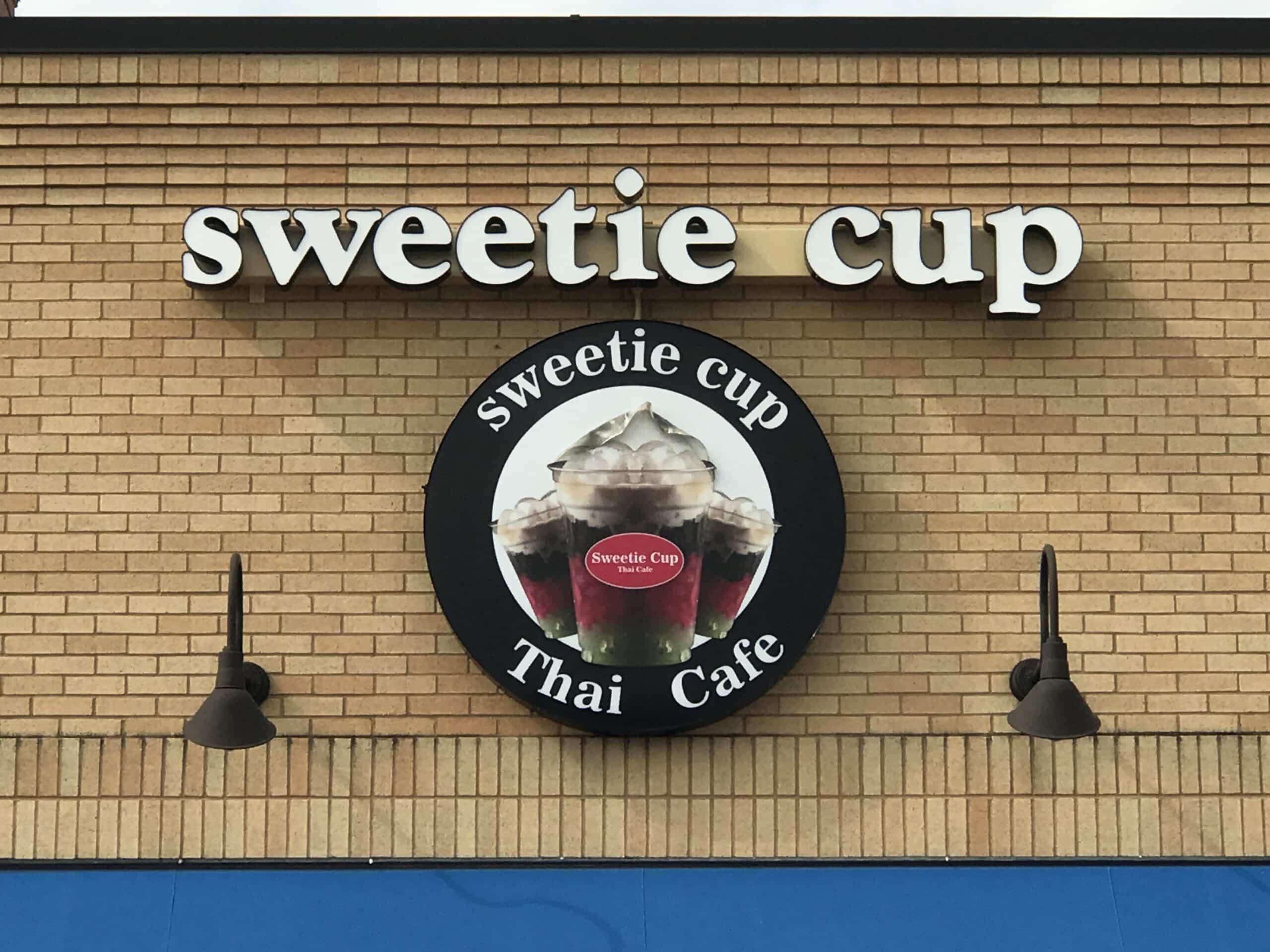
VALLEY PARK, MO - July 4, 2026 (StLouisRestaurantReview) Tucked away in a quiet strip center on Dougherty Ferry Road—right on the border of Valley Park and Kirkwood—Sweetie Cup Thai Cafe is the quintessential definition of a "hidden gem." In a suburban culinary landscape often dominated by standard fare, this unassuming storefront delivers an exceptional, scratch-kitchen Thai dining experience that far outpaces its modest exterior. For anyone searching for authentic, vibrantly flavored Southeast Asian cuisine in West County, it has quietly become an indispensable destination.

The Atmosphere & Service


Stepping inside Sweetie Cup, the vibe is instantly casual, cozy, and completely unpretentious. It feels like a well-kept neighborhood secret—a comfortable, homey space with a handful of tables that lets the food do the talking.


What truly elevates the environment, however, is the hospitality. The restaurant is family-operated, and that pride shows in the service. The staff is consistently noted for being exceptionally warm, attentive, and genuinely welcoming. Whether you are a first-time visitor trying to navigate the spice levels or a seasoned regular whose order they already know by heart, the hospitality here makes you feel like a guest in someone's home.

Deep Dive Into the Menu


The hallmark of Sweetie Cup Thai Cafe is the unmistakable freshness of its ingredients. There are no soggy vegetables or muted flavors here; the produce is uniformly crisp, the proteins are perfectly prepared, and the scratch-made sauces strike a flawless balance of the core pillars of Thai flavor: sweet, sour, salty, and spicy.

The App Starter Pack: Any review of Sweetie Cup must begin with the Crab Rangoon. Shattering-crisp on the outside with a perfectly balanced, creamy, and savory filling, they avoid the overly sweet cloy encountered elsewhere. The potstickers feature a delicate, thin wrapper that gets a perfect sear, and the egg rolls are fried to a flawless golden brown, with no excess oil.


Noodle Excellence: The Pad Thai is a masterclass in balance. It avoids the common pitfall of being drenched in a sugary, tomato-heavy sauce, opting instead for a complex, deeply savory tamarind profile with beautifully springy rice noodles. For those who prefer a kick of heat, the Drunken Noodles (Pad Kee Mao) boast an excellent smoky wok-hei (breath of the wok) flavor profile, tossed with wide rice noodles, fresh bell peppers, onions, and a generous chiffonade of fragrant fresh basil.


Rich & Aromatic Curries: The Yellow Curry is another culinary standout. It arrives rich, velvety, and beautifully aromatic, laced with coconut milk, turmeric, potatoes, and onions. The spice levels are highly customizable, allowing diners to choose anywhere from a mild warmth to an authentic, sweat-inducing Thai heat.

The Takeout & Delivery Workflow


While dining in offers a charming, intimate experience, Sweetie Cup has optimized its kitchen to handle an immense volume of takeout and delivery orders without sacrificing quality. Packaging is secure, portions remain incredibly generous, and fried items are vented appropriately to ensure they arrive at your table with their signature crunch intact. It is efficient, reliable, and a staple on busy local weeknights.

The Verdict


Whether you are stopping in to take advantage of their excellent, budget-friendly midday lunch specials or ordering a massive spread for a cozy weekend night at home, Sweetie Cup Thai Cafe stands out in a crowded regional dining scene. By focusing strictly on culinary execution, high-quality ingredients, and friendly community service, it has firmly established itself as a premier destination for Thai cuisine in the Greater St. Louis area.

Rating: ⭐⭐⭐⭐⭐ (5/5)


Pros: Outstanding depth of flavor, incredibly fresh ingredients, warm neighborhood hospitality, and excellent takeout execution.


Cons: Limited indoor dining capacity. Because they operate on a strictly first-come, first-served basis and do not accept reservations, tables fill up quickly during peak weekend dinner shifts. Arriving early or planning for a short wait is highly recommended if you intend to dine in.

Quick Facts for Diners

Location: Dougherty Ferry Road (Valley Park / Kirkwood border area)


Services: Dine-in, Takeout, Delivery, and Catering


Accessibility: Fully wheelchair accessible with an adjacent, free parking lot.


Dietary Accommodations: Highly customizable menu with excellent vegetarian and vegan options (tofu and vegetable substitutes available for most mains).

 https://stlouisrestaurantreview.com/sweetie-cup-thai-cafe-thai-cuisine/

Friday, July 3, 2026


The 2026 Casual Dining Squeeze: Black Box Data, Menu Price Fatigue, and the St. Louis Restaurant Survival Guide
 Casual Dining Squeeze - New macroeconomic data from Black Box Intelligence reveals that 9% of full-service restaurants are at high risk of closure in 2026, driven by a loss of 30% or more from peak sales. While national industry sales are projected to reach a nominal $1.55 trillion due to menu price increases, underlying foot traffic has declined for 15 out of the last 16 months. This investigative analysis breaks down the divergence between nominal growth and negative traffic trends, details the structural pressures of cumulative 33% inflation since 2019, and outlines how St. Louis independent operators can leverage hyper-focused positioning, proprietary digital ordering ecosystems, and localized "traffic transfer" to survive the 2026 consolidation.


ST. LOUIS, MO - July 3, 2026 (StLouisRestaurantReview) Casual Dining Squeezze - The word "crisis" is thrown around loosely in business journalism. Still, the hospitality sector in 2026 is experiencing a phenomenon that requires a more precise, data-driven definition. It is not an overnight catastrophic collapse of the entire food-and-beverage industry; rather, it is a severe, structural crunch of portfolio optimization, margin evaporation, and traffic redistribution.


To the casual observer walking past a packed patio on a Friday night, the industry looks booming. The National Restaurant Association (NRA) projects nominal nationwide sales to push toward an astronomical $1.55 trillion in 2026. Yet, beneath that staggering headline figure lies a bruising paradox that editors and financial analysts are calling the "quiet closure crisis": gross revenues are up, but actual guest counts are down.


According to comprehensive market data compiled by Black Box Intelligence, same-store traffic growth across the United States fell by another -2.0% in May 2026. This contraction marks the 15th time in 16 months that restaurant operators reported a net year-over-year decline in foot traffic. The industry's top-line revenue growth is being entirely propped up by inflated menu prices (average check size), masking a persistent, hollow space in dining room seats. For independent operators across the St. Louis metropolitan area—from historic neighborhood landmarks to modern suburban bistros—understanding this shift is no longer just an academic exercise; it is an absolute requirement for financial solvency.

Casual Dining Squeezze - The Hard Data: Quantifying the 2026 Segment Squeeze


To appreciate why some restaurants are thriving while others are quietly turning off their kitchen hoods, one must look at the specific segments bearing the brunt of consumer behavioral shifts. The economic pressure is not being distributed equally.

1. The At-Risk Full-Service Metric


A key 2026 briefing from Black Box Intelligence sent shockwaves through hospitality boardrooms by revealing that 9% of all full-service restaurant units are currently classified as "at-risk" for closure.


Black Box defines "at-risk" using a rigorous, multi-year historical benchmark: any physical unit that has lost 30% or more of its peak annual sales volume during the 2019–2025 tracking window. For an industry that historically operates on razor-thin net profit margins of 3% to 5%, a sustained 30% drop in guest volume makes a physical location mathematically impossible to subsidize.


Even more alarming for legacy operators, the data shows that 3% of all full-service restaurants have experienced an outright volume crash exceeding 50%. For these locations, analysts note that the question for the remainder of 2026 is no longer if they will shutter, but when the parent companies or independent owners will decide to cut their losses.

2. The Great Inflationary Catch-22


The fundamental operational math of running a commercial kitchen has completely broken down. Since late 2019, cumulative inflation has driven up the baseline costs of restaurant food ingredients, labor, property insurance, and utilities by an average of 33%.


When operators raise menu prices to absorb these overhead spikes, they hit a psychological ceiling with consumers. Lower- and middle-income families, facing their own household budget constraints, are exhibiting severe menu price fatigue. They are no longer willing to accept a $25 charge for a basic burger, fries, and a soft drink if the execution, speed, or overall hospitality feels mediocre.

Macroeconomic Cost Pressures vs. Traffic Trends (2019-2026)


------------------------------------------------------------------


Cumulative Operating Cost Increase (Food, Labor, Utilities): +33%


Average Full-Service Menu Price Increase: +28%


Net Full-Service Foot Traffic Growth (Last 16 Months): Negative


Percentage of Full-Service Units at High Risk of Closure: 9%

3. Segment Polarization: The Squeezed Middle


The 2026 data shows a fascinating K-shaped divergence in how dining dollars are being spent:

The High-End & Upscale Casual Tier: Fine dining and premium, experience-driven concepts have shown surprising resilience. Affluent consumers remain largely insulated from day-to-day inflationary pressures and continue to defend their "special occasion" and high-end dining budgets, provided the exclusivity remains intact.


The Value Tier (QSR & Fast-Casual): Quick-Service Restaurants (QSR) and fast-casual brands have seen a massive influx of "trade-down" traffic from families seeking quick, predictable value. Net unit growth for the fast-casual space has surged by 15.5% since 2022, led by brands offering high speed and perceived portion value.


The Squeezed Middle (Casual & Family Dining): Mid-tier sit-down family dining and legacy casual chains are the primary casualties of this economic cycle. They are caught in a treacherous no-man's-land: too expensive to compete with fast-casual convenience, yet not unique or premium enough to justify a premium for sit-down service. As a result, massive legacy national footprints—including underperforming units of Pizza Hut, Denny's, Papa John's, Noodles & Company, and Hooters—are executing hundreds of strategic closures this year to stop the capital drain.

Local Realities: The St. Louis Market Landscape


The national narrative maps directly onto the St. Louis regional landscape, but with localized nuances that require careful study. The St. Louis metropolitan area is characterized by high restaurant density intersecting with a highly cost-conscious, value-driven Midwestern consumer base.


When a multi-decade neighborhood staple permanently closes down—such as the 70-year-old BJ's Bar and Restaurant in Florissant on June 28, 2026—it is rarely a reflection of sudden mismanagement or a bad menu. It is the localized face of a macro-economy where legacy footprints can no longer withstand the compounding weight of labor retention costs and food-away-from-home inflation (which outpaced grocery inflation by nearly a full percentage point over the last calendar year).


However, Black Box Intelligence notes an industry silver lining called the "Traffic Transfer" effect, which presents a massive opportunity for surviving independent restaurants.

The Mechanics of Traffic Transfer: Demand does not simply vanish from a municipality or a dining district when a restaurant closes its doors. Instead, that remaining consumer volume concentrates into the healthier, more efficient operators nearby. When a major chain stops subsidizing its bottom 10% of underperforming regional units, or when an independent operator exits a saturated neighborhood, it reallocates market share to the nimble, focused competitors who have built a crystal-clear identity.

Information Gain: 5 Actionable Survival Strategies for St. Louis Operators


To achieve true information gain and establish a competitive edge in this environment, local independent operators cannot rely on pre-2020 business playbooks. Survival through the remainder of 2026 requires shifting from a defensive, reactive stance to an aggressive, proactive approach to operational optimization.

Strategy I: Enforce an Unmistakable, Hyper-Focused Identity


The era of the "all-things-to-all-people" menu is officially dead. Squeezing margins to offer a sprawling, five-page menu drives up food waste, complicates kitchen prep, and balloons inventory carrying costs. Successful independent operators in St. Louis are explicitly defining a single, clear lane:

A high-value, rapid-turnaround lunch spot built for remote workers needing a quick break.


A neighborhood dinner destination focused strictly on high-margin, hyper-consistent comfort food.

An intentional, experience-driven date-night venue that makes a $100+ check feel entirely justified through ambient design and culinary storytelling.


Streamlining your menu to signature items where your kitchen excels reduces waste by up to 18% and enables sharper ingredient cross-utilization.

Strategy II: Bypass Third-Party Margin Bleed


Relying entirely on massive national aggregate delivery platforms means surrendering up to 30% of the total ticket price to third-party commission fees. In a 3% margin environment, this is a mathematical path to insolvency.


Forward-thinking St. Louis establishments are aggressively implementing localized online ordering alternatives—such as integrating direct, regional e-commerce solutions like eOrderSTL through platforms like the St. Louis Restaurant Review directory. By owning the digital relationship, using first-party ordering interfaces, and incentivizing customers to choose direct pickup, restaurants keep their margins whole and collect clean, first-party data for targeted SMS and email remarketing.

Strategy III: Benchmark Local Execution Over Macro Panics


If a St. Louis restaurant is losing night-over-night traffic while the surrounding dining district (such as the Central West End, the Loop, or Historic Downtown St. Charles) is experiencing steady weekend foot traffic, the issue is internal execution, not the national economy.


With hospitality employee turnover finally stabilizing nationwide (dropping 2 percentage points below previous historic highs), operators must transition their focus from desperate "seat-filling" hiring to rigorous operational execution. Tenured, well-trained staff lead to superior guest sentiment, faster table turns, and higher repeat-visit rates—all of which protect unit-level profitability.

Strategy IV: Capitalize on Late-Night and C-Store Divergence


Data indicates that the late-night daypart is a major growth story of this economic cycle, growing over 10% annually for limited-service spaces since 2021. Concurrently, convenience stores (c-stores) have emerged as a legitimate value threat, with the share of consumers rating them as top-tier value providers jumping from 4% to 16% in one year due to upgraded food programs.


Traditional sit-down operators can combat this shift and capture new revenue by introducing targeted, high-margin late-night bar menus or curated "grab-and-go" retail executions of their signature items, such as bottled signature sauces, pre-packaged rubs, or rapid-pickup family meals.

Strategy V: Leverage Second-Generation Real Estate Opportunities


For operators backed by strong balance sheets who are in a position to expand or relocate, the wave of national chain closures presents an unprecedented real estate opportunity. Brands like First Watch and various savvy independent concepts are actively hunting for "second-generation" restaurant spaces.


Acquiring a site that already features built-in commercial hoods, grease traps, walk-in coolers, and advanced plumbing lines slashes initial capital expenditure requirements by hundreds of thousands of dollars. This dramatically lowers the debt service burden on the new location, creating a significantly faster path to unit-level profitability.

The Editorial Verdict: Forced Evolution


The restaurant narrative of 2026 is not a simplistic story of an industry's demise, but a complex story of its forced structural evolution. The consumer is still spending money on food away from home, but they are doing so with a meticulous, highly critical value calculus. The St. Louis establishments that survive and thrive through this consolidation period will be those that match uncompromising operational discipline with direct, margin-protected digital connections to their loyal guests.

Additional Industry Context


To better understand how market forces, labor constraints, and shifting consumer behaviors are transforming independent food operations globally, watch this comprehensive breakdown of the shifting culinary business landscape:


The Business Reality of Modern Food Service


This regional report examines recent local restaurant developments, closures, and openings across the St. Louis area, illustrating how operators are adapting their business concepts to navigate the changing economic climate.


STL.News published an article titled "2026 Restaurant Crisis: Tech Squeezes West Coast While Inflation Guts Florida Empires." We suggest you read this article as well. https://stlouisrestaurantreview.com/2026-casual-dining-squeeze-black-box/

Wednesday, July 1, 2026


What Really Happens to Food During Delivery
ST. LOUIS, MO - July 1, 2026 (StLouisRestaurantReview) Ordering food at home has become so deeply embedded in daily life that few people think about what happens to a dish between the moment a cook seals the container and the moment a guest opens it. Over those thirty to forty minutes, food moves through several physical processes, each of which changes its temperature, texture, and taste. Understanding these processes explains why the same pizza from the same restaurant tastes different when eaten in the dining room versus when unpacked at home.


Temperature: the primary variable in transit


Hot food starts cooling the moment it is packaged. The rate of that process depends on several factors simultaneously: ambient temperature, container material, the volume of the dish, and how tightly the packaging is sealed.

Heat transfer happens through three mechanisms: conduction — through the walls of the container; convection — through the air inside the packaging; and radiation — through the surface of the food itself. Thin plastic conducts heat quickly and provides little insulation. Foamed polystyrene or double-walled cardboard creates an air gap that slows heat transfer and helps maintain temperature for considerably longer.

Soup at 500ml, packed in thin plastic, loses around 10°C in the first 15 minutes at room temperature. The same soup in a thermally insulated vessel loses roughly half that over the same period. A 5°C difference at the moment of delivery is the difference between a hot dish and food that has cooled to a neutral temperature by the time it arrives.

The container, however, is only part of the thermal system. The courier's insulated bag is the other half — and when that bag is worn out, overfilled, or left open between pickups, even a well-insulated container loses its advantage within the first ten minutes of transit.


Moisture and texture: what happens inside a sealed vessel


Hot food in a sealed container releases steam. That steam condenses on the lid and walls, turns into droplets, and returns to the food as moisture. Temperature is the obvious problem in delivery, but moisture works more quietly and damages texture just as effectively — and it starts the moment the lid goes on.

This is why crispy dishes — french fries, fried chicken, tempura, crunchy tacos — lose their texture within minutes of being packaged. Steam softens the crust from the inside, and by the time the order arrives, the crunch has largely disappeared. The effect is faster in smaller containers, where the ratio of food surface area to air volume is higher, and slower in larger, vented vessels, where steam has somewhere to go.

Professional solutions to this problem exist and are actively used across the industry:

vented containers with perforated lids release steam and preserve crispness considerably longer than sealed alternatives;


separate packaging for sauces and wet components prevents the main dish from softening in transit;


ridged inserts lift food above the container's base, eliminating contact with condensation.

Selecting the right packaging for a specific dish is an operational decision that directly affects what the guest receives.


How packaging shapes the first impression


A guest opens the container and forms an opinion about the restaurant before the first bite. A dented lid, leaked sauce, food that has shifted and compressed — all of it reads as carelessness, even when the dish itself was prepared well. In delivery, packaging performs the same function as interior design and service in a dining room: it creates the context in which the guest experiences the food.

Restaurants that take delivery seriously approach container selection with the same care they give to the menu. Material, shape, seal quality, and compatibility with specific dishes — each of these factors determines what condition the product arrives in. Suppliers like McDonald Paper & Restaurant Supplies build their range around exactly these operational requirements — soup vessels, specialized packaging for pizza and sushi, containers for hot appetizers — covering the full scope of what a delivery-focused kitchen needs.


Time in transit: when logistics matters more than packaging


Even the best packaging has a limit. A dish traveling 45 minutes in rush-hour traffic will arrive in worse condition than the same dish delivered in 15 minutes — regardless of container quality. Transit time is a variable that restaurants can control to some extent: through delivery zone selection, kitchen load management during peak hours, and the choice of logistics partner.

The optimal delivery window for most hot dishes is under 30 minutes. During that period, properly packaged food retains enough heat and texture for the guest to have an experience close to the in-restaurant one. Beyond 45 minutes, even quality packaging loses its effectiveness — the physical processes inside the container accumulate their result.

Some food categories handle transit time considerably better than others:

braised and slow-cooked dishes — additional time in heat works in their favor, making them softer and more developed in flavor;


soups and broths in sealed, thermally insulated vessels — lose temperature slowly and arrive hot even on longer deliveries;


sushi and cold dishes — low temperature is the critical variable, and a good insulated bag handles the requirement.

Dishes with crispy textures, open salads, and multi-component plates with sauces handle transit time the worst of all and require either specialized packaging or a rethought format for delivery.

Restaurants that think carefully about delivery increasingly maintain two versions of their menu: a full in-house offering and a curated delivery selection that excludes dishes the kitchen knows will not arrive in acceptable condition after the journey. That decision protects both the guest experience and the restaurant's reputation. 


What is changing in the industry


The food delivery segment has radically changed packaging requirements over recent years. Restaurants that previously operated exclusively in-house had to rethink their entire packaging logic: which dishes to pack together, which separately, which containers hold temperature, and which preserve texture.

The industry responded by expanding the range of specialized packaging. Today, solutions exist for every food category, developed with the specific physical properties of each product in mind. Vented lids, multi-compartment containers, heat-resistant materials, biodegradable alternatives to plastic — all of these are now part of the procurement logic for any operation that takes delivery quality seriously. 

The gap between a restaurant that treats packaging as a commodity and one that treats it as part of the product has become measurable — in review scores, repeat-order rates, and the consistency of the experience guests actually have.

A guest forming an impression of an order draws on several elements simultaneously: temperature, texture, appearance, and ease of opening. That combined impression determines whether they place the next order — and it is precisely there that packaging plays a role that compounds across every delivery the restaurant sends out. https://stlouisrestaurantreview.com/what-happens-food-during-delivery/