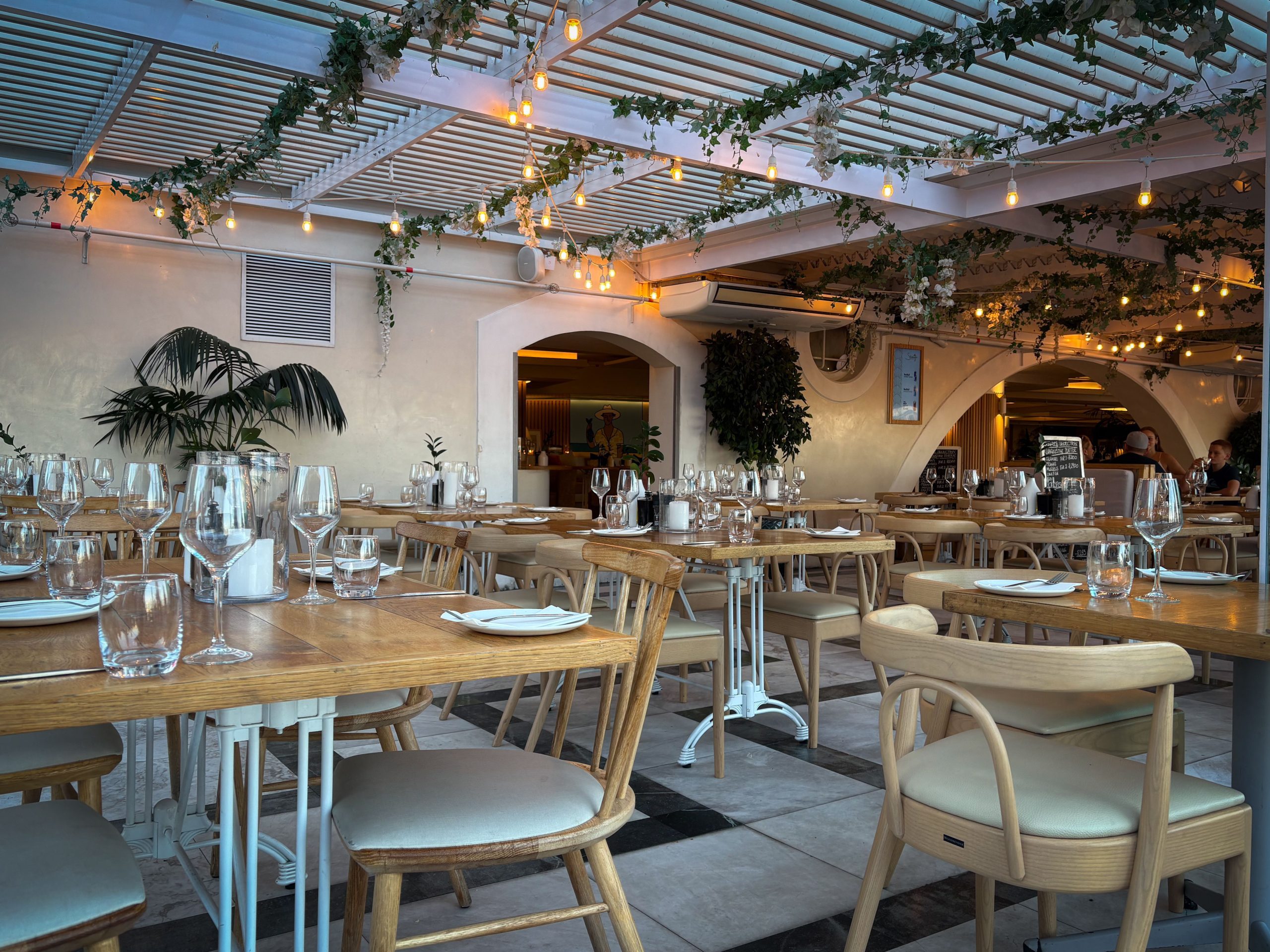
ST. LOUIS, MO - September 23, 2026 (StLouisRestaurantReview) Designing a restaurant isn't just about picking out nice furniture and colors. The materials you use can really make or break the vibe of the place. Think about it - everything from the tables and chairs to the menus and little decorations on the tables can affect how customers feel about the quality and atmosphere of your business. If you choose your materials wisely, you can create a space that feels put together and leaves a lasting impression on your guests. It's about finding the right balance and making sure everything works well together to create a unique, memorable experience.
As competition in the hospitality industry grows, restaurants are paying closer attention to the small details that shape the overall guest experience. Premium materials can play an important role in creating a distinctive identity while also providing practical benefits.
Why Materials Matter in Restaurant Interiors
Guests interact with many physical elements during a restaurant visit. They touch menus, move chairs, use cutlery, handle check presenters, and notice the surrounding surfaces. The quality of these elements can influence their perception of the establishment.
Natural materials such as leather and wood are particularly popular in restaurants looking to create a warm, sophisticated atmosphere. Acrylic, meanwhile, can offer a clean, contemporary look that works well in modern interiors.
The choice of materials can help communicate a restaurant's positioning:
Natural wood can create a warm, organic, and welcoming atmosphere.
Real leather can add a classy look and feel high-end.
Acrylic can support minimalist and contemporary design concepts.
High-quality finishes can reinforce attention to detail throughout the venue.
Using the same or complementary materials across different elements can also help create visual consistency.
Premium Materials Beyond Furniture
When designing a restaurant, people usually think about the big things like lighting, seats, walls, and floors. But smaller details can be just as important in bringing the whole place together.
When you're dining out, you notice all sorts of little things on the table, like menu covers, menu holders, check presenters, table signs, placemats, napkin holders, and more. These items might be small, but they get handled a lot and can really add to a restaurant's overall sense of quality. They're a big part of the dining experience, even if they're not the main event. By paying attention to these details, restaurants can show customers they care about the little things, which can make a big difference in how people feel about their meal.
For instance, a fancy restaurant might feel that plain paper menus or cheap plastic stuff doesn't quite match the vibe. Swapping them for well-designed pieces made from leather, wood, or acrylic can make the whole place look more put together. This way, everything from the menus to the accessories will have a consistent look and feel that fits the restaurant's style.
Combining Aesthetics With Durability
Premium materials are not only about appearance. Restaurants need products that can withstand frequent use, cleaning, handling, and occasional spills.
This makes material selection particularly important for busy hospitality businesses. A well-made menu cover, for instance, should maintain its appearance despite being handled by numerous guests and staff members every day.
When selecting accessories, restaurants can consider several practical factors:
Resistance to everyday wear and frequent handling
Ease of cleaning and maintenance
Construction quality and durability
Compatibility with the restaurant's existing interior
Possibility of replacing or updating inserts
The right mix of design and functionality keeps premium accessories attractive while meeting the demands of daily restaurant operations.
Creating a Consistent Brand Identity
Materials can also become an important part of restaurant branding. A business may use a particular combination of colors, textures, and finishes to create a recognizable visual identity.
Custom-made accessories can take this concept further. Logos, engraved details, debossing, specific colors, and carefully selected materials can turn functional products into branded elements of the dining environment.
For restaurants, hotels, and cafes, a consistent look and feel is essential. One way to achieve this is by working with a manufacturer that can provide both standard and custom-made products. Take Inko Horeca, for instance - they make all sorts of hospitality accessories using natural materials like leather, wood, and acrylic. Best of all, they also offer customization options, so you can add your own unique designs and branding to their products. This makes it much easier to keep your business looking consistent and professional.
Investing in the Details
You don't have to break the bank to make your restaurant look high-end. It's all about choosing the right spots for high-quality materials, so they really make a difference for your customers. This way, you can create a great impression without overspending. By focusing on the areas that matter most to your guests, you can get the best bang for your buck and make your restaurant feel premium without using expensive materials everywhere.
Tabletop products are particularly effective because guests interact with them directly. A well-crafted menu cover or elegant check presenter can complement the interior while reinforcing the restaurant's attention to detail.
Good restaurant design is all about how different things come together. High-quality materials can add texture, last longer, and look great. It's also a chance to show off your brand. When you use these good qualities throughout, even small details can make a big difference in how people enjoy their meal. Things like nice tables, comfortable chairs, and pretty decorations can all add up to create a great atmosphere.
For modern hospitality businesses, thoughtful material selection is therefore not simply a design decision. It is a practical way to connect interior aesthetics, functionality, and brand identity in a single cohesive environment.
Read St. Louis Restaurant News and Reviews at St. Louis Restaurant Review https://stlouisrestaurantreview.com/role-of-premium-materials-modern-restaurant-design/

No comments:
Post a Comment