Tuesday, January 27, 2026


Split-Second Choices in the Heat of the Kitchen
(StLouisRestaurantReview) The energy in a professional kitchen is unlike anything else. Orders stream in, pans sizzle, and chefs must react instantly to keep the operation running smoothly.

Every second is precious. Whether it’s deciding to rescue a sauce on the brink or sending back an undercooked steak, there’s no room for hesitation. The margin between perfection and disaster is razor-thin.

Chefs and cooks rely on instinct, training, and clear communication with their team to make high-stakes decisions in real time. In this article, I’ll break down what shapes those split-second choices—and how they define both success and survival when the pressure hits its peak.


The anatomy of a kitchen decision


Step into a busy kitchen during dinner rush, and you’ll see decisions flying at chefs faster than they can plate an entrée.

One moment, it’s a question of which order gets fired next; the next, it’s how to recover from an overcooked steak or a split sauce. Every call matters because timing and quality ride on each choice.

Most people outside the industry imagine this as chaos, but there’s structure behind the frenzy. Cooks rely on a blend of rigorous training, muscle memory, and sharp instincts honed through repetition. You learn to triage: Is this mistake worth redoing the dish, or can it be fixed on the fly?

It’s not just about skill—it’s about reading your team, anticipating issues before they hit, and keeping your cool when tickets pile up. One thing I’ve found is that top kitchens encourage calculated risk-taking. Sometimes improvisation beats rote following of the book, especially when something unexpected happens mid-service.

This isn’t so different from high-stakes environments outside hospitality. Whether you’re managing bets or business moves, rapid decision-making under pressure draws on many of the same principles. If you’re interested in how these skills translate beyond the pass, take a look at Smart Betting Guide.


Pressure cookers: stress, focus, and performance


The kitchen isn’t just hot because of the burners—it’s an environment where stress can build with every ticket that comes through.

Chefs face constant noise, tight timing, and the pressure to deliver flawless plates no matter what’s happening behind the scenes.

It’s a test not just of skill but of mental stamina. How chefs handle that intensity—whether by controlling their breath or leaning on rituals—often determines whether they thrive or buckle under the pressure of service.

The ones who perform best are those who learn to channel pressure into focus, keeping their cool even when the orders never stop coming.


Staying calm on the line


Ask any chef, and they’ll tell you—the trick isn’t avoiding stress but learning to manage it while moving at full speed.

Seasoned cooks swear by small rituals: deep breaths before a rush, a mantra whispered under their breath, or even a quick check of knife placement before service starts.

Many use visual mapping—scanning the order tickets and mentally plotting out priorities in real time. This cuts down on surprises and helps keep mistakes at bay when things heat up.

Some rely on muscle memory from repetition, so their hands know what to do even when their minds are racing. The goal is always control: don’t let emotion drive your next move. That’s how plates go out perfectly even as chaos swirls around them.


The role of adrenaline and flow


When dinner service peaks and tickets pile up, adrenaline kicks in fast. For many chefs, this surge sharpens senses—they hear every callout more clearly and move with a sense of purpose that feels almost automatic.

This is where flow happens—a sweet spot where everything clicks, and distractions fade into the background. Tasks feel easier; decisions come quicker.

A Hospitality Stress Management study from 2023 backs this up. It found that finding just the right amount of pressure keeps energy high without tipping into burnout. Too much or too little stress hurts performance, which lines up perfectly with what I’ve seen in kitchens during crunch time.

The best chefs chase that balance. They use adrenaline as fuel but never let it run wild. That’s how they hit peak performance during service after service.


Instinct vs. training: the science of quick thinking


In a packed kitchen, every move counts—and most aren’t planned in advance. Quick decisions can separate a smooth service from a night that unravels fast.

What I’ve seen is that chefs who excel under pressure are those who fuse deep training with fast instincts. They draw on hundreds of hours spent prepping, plating, and correcting mistakes. Over time, this blend lets them respond to chaos with confidence rather than panic.

Some cooks freeze when things go off-script. Others thrive because they know when to lean on their training and when to trust their gut feeling. The difference often comes down to practice, reflection, and a willingness to learn from every misstep.


Muscle memory and repetition


Watch a chef during peak dinner rush—knife moving at speed, pans flying, plating flawless in seconds—and you’re seeing muscle memory in action.

This isn’t luck or talent alone; it’s the product of repeating basic tasks until they become second nature. Chopping onions by the crate, flipping steaks by the dozen, timing sauces without looking at the clock—all these drills build patterns that stick even when stress is sky-high.

The more these routines are hardwired through repetition, the less energy a chef spends thinking about each step. That frees up mental space for problem-solving and quick pivots when things go sideways.


When to trust your gut


No recipe covers every surprise in service—whether it’s an overcooked steak or a guest’s last-minute allergy alert. Here’s where intuition becomes essential.

Experienced chefs develop a sixth sense for timing and flavor after years at the stove. Sometimes you just know when a sauce needs salt or if it’s time to remake a dish rather than risk sending out something subpar.

I’ve noticed that newer cooks tend to cling tightly to procedure, but veterans trust that subtle tug of instinct—especially when there’s no time for debate. The best results often come from this careful balance between rules and feel.


Learning from mistakes: rapid recovery


No kitchen gets through service mistake-free—the difference is how quickly teams recover and move forward.

The best kitchens treat errors as teaching moments rather than setbacks. When someone burns the bread or sends out an undercooked protein, there’s no room for blame; instead, it’s all about what happens next: quick fixes, honest feedback, then back to business without missing a beat.

The value of Culinary Education research backs this up—a 2021 study by Northeastern University found that learning from mistakes during culinary training builds resilience and adaptability in high-pressure situations. Teams that recover together don’t just avoid disaster—they become stronger with each challenge faced.


Teamwork and communication under fire


No matter how skilled a chef is, solo brilliance rarely wins the night during peak service.

The best kitchens operate like well-rehearsed bands, where timing, trust, and communication make or break each plate leaving the pass.

Every decision in those heated moments depends on teams anticipating each other’s moves and speaking the same language—sometimes without saying a word.


The language of the line


If you’ve ever peeked into a professional kitchen, you’ll hear a mix of rapid-fire calls, code words, and near-silent gestures.

This shorthand isn’t just tradition; it’s survival. “Heard,” “behind,” and “all day” instantly signal intent or alert others to movement and priorities.

Many kitchens develop their own routines—like double taps on the counter or nods—to indicate readiness or call for backup without breaking rhythm.

When everyone knows the signals, orders move faster, confusion drops, and mistakes are caught before they hit the plate.


Trust and delegation in the heat of service


I’ve watched veteran chefs hand off responsibility mid-rush with nothing more than eye contact or a single word. That’s trust built over months of shared pressure.

Effective delegation means each team member knows exactly when to jump in, which task is theirs, and how to adapt if priorities shift unexpectedly.

Kitchens that struggle with trust often grind to a halt over small miscommunications—one person hesitates, and suddenly tickets pile up.

The strongest crews give everyone clear roles but empower each cook to take initiative when things get hectic. That flexibility is gold during crunch time.


Adapting to the unexpected


No service goes perfectly—an oven dies mid-dinner rush or an ingredient runs out three tickets deep into a special.

This is where adaptability really shows. Teams who can quickly reshuffle stations or improvise menu changes don’t just survive—they shine when chaos hits.

A 2023 study in the Asian Conference Review Journal found that competencies like teamwork and adaptability are essential for thriving in the hotel industry. The research emphasizes the importance of responding quickly to change and strong team dynamics in overcoming unexpected challenges in fast-paced hospitality settings. Those findings mirror what I see: kitchens that practice pivoting together bounce back faster from almost any setback.


Lessons from the kitchen: turning pressure into perfection


Every night in a busy kitchen, chefs and their teams show what real focus and resilience look like.

They rely on instinct sharpened by years of training, but it’s the quick thinking in chaotic moments that separates good from great.

The best kitchens thrive because each member communicates clearly, adapts fast, and trusts one another to handle anything service throws at them.

This mix of preparation and improvisation doesn’t just create great food—it builds a culture where pressure is fuel for creativity and excellence. https://stlouisrestaurantreview.com/split-second-choices-heat-the-kitchen/

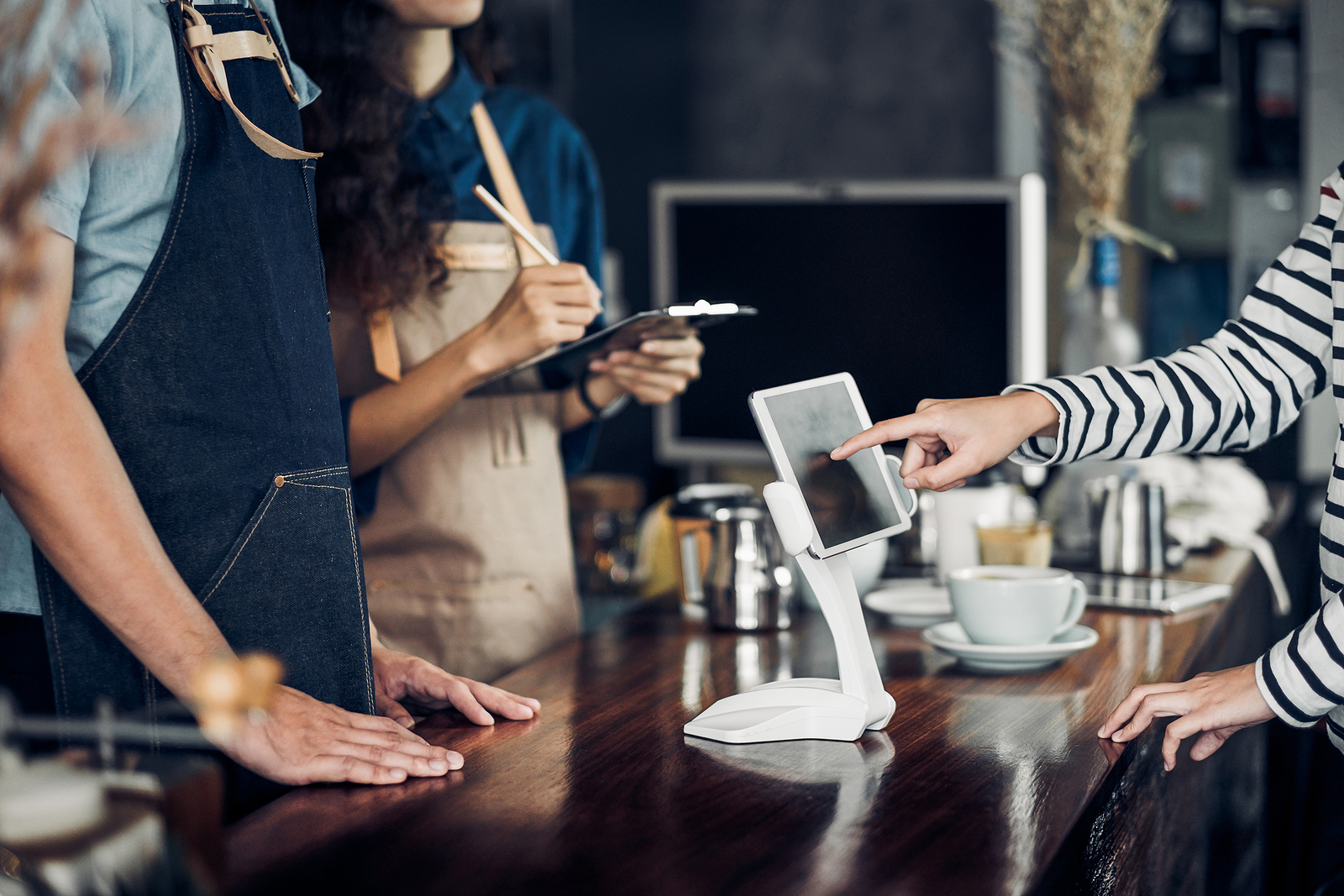
Sunday, January 25, 2026


Supporting Restaurants Is More Important Than Ever
Supporting Local Restaurants Is More Important Than Ever


A Respectful Call for St. Louis Consumers to Stand Up for Neighborhood Dining


ST. LOUIS, MO (StLouisRestaurantReview) Restaurants have always been more than places to eat. In St. Louis neighborhoods, they are meeting places, cultural touchstones, first jobs for teenagers, second chances for workers, and lifelong dreams for owners who risk everything to open their doors. Today, many of those doors are closing—and not because restaurants suddenly became unnecessary or unwanted, but because the economic pressures surrounding them have reached a breaking point.


This is not an alarmist message. It is a respectful and honest one: local restaurants need consumer support right now to survive. Not next year. Not someday. Now.

The Closures Are Real—and They Are Accelerating


Over the past few years, St. Louis has seen a steady increase in restaurant closures across nearly every category: neighborhood diners, ethnic family-owned spots, casual concepts, and even long-standing institutions. These are not isolated failures or poor business decisions. They are symptoms of a system under strain.


Restaurants are facing rising food costs, higher insurance premiums, increased utility rates, staffing shortages, unpredictable foot traffic, and mounting debt from survival loans taken during difficult years. At the same time, consumer habits have changed. Fewer people dine out casually. More orders flow through third-party apps that siphon away profits. Even busy dining rooms can struggle to remain profitable.


What many consumers do not see is that a restaurant can appear “busy” and still be losing money.

Restaurants Are Essential Neighborhood Infrastructure


When a grocery store closes, a pharmacy shuts down, or a gas station disappears, communities notice immediately. Restaurants deserve the same level of seriousness.


Local restaurants:

Create jobs that cannot be outsourced


Keep commercial corridors active and safer


Support local suppliers and service companies


Preserve cultural identity and neighborhood character


Provide accessible food options for seniors, families, and workers

A neighborhood without restaurants is quieter, darker, and less connected. When restaurants vanish, it is not just a business loss—it is a community loss.

Why Consumer Support Matters More Than Ever


Unlike large national chains, most local restaurants operate on thin margins. In good times, profit margins are modest. In challenging times, they can disappear entirely.


Right now, many St. Louis restaurants are operating month to month. A small drop in traffic, a bad weather week, or a spike in costs can determine whether they make payroll or pay rent. Consumer choices—often made casually—have outsized consequences.


Choosing where and how to spend dining dollars has never mattered more.

Ordering Direct Makes a Real Difference


One of the most impactful actions consumers can take is ordering directly from restaurants whenever possible. Third-party delivery platforms are convenient, but they often charge significant fees that eat into profits. In many cases, restaurants earn little to nothing on those orders.


Ordering directly:

Keeps more money with the restaurant


Supports staff wages and stability


Helps businesses remain viable long-term

If pickup is an option, it is one of the most restaurant-friendly choices a consumer can make.

Consistency Matters More Than Occasional Splurges


Restaurants do not survive on a single busy night or a single special occasion. They survive on regular, predictable support from their local communities.


One extra visit per month from neighborhood residents can:

Smooth cash flow


Reduce reliance on debt


Improve staff scheduling and retention

Supporting restaurants does not require luxury spending. It requires consistency.

Reviews, Recommendations, and Visibility Still Count


In today’s digital economy, online visibility is critical. Thoughtful reviews and word-of-mouth recommendations remain powerful tools.


A simple, honest review that mentions what you enjoyed and why you would return helps:

Attract new customers


Offset the impact of negative or unfair reviews


Improve search visibility

For many restaurants, especially smaller ones, a handful of positive local reviews can make a meaningful difference.

Understanding Price Increases with Context


Menu prices have risen, and consumers feel it. But most price increases are not driven by greed. They reflect higher costs for ingredients, labor, utilities, insurance, and rent.


When a favorite dish costs a few dollars more, that increase often represents a restaurant trying to stay open, not take advantage of customers. Choosing to continue supporting restaurants despite modest price changes helps preserve local options in the long run.

Tipping and Staffing Stability


Staffing remains one of the most difficult challenges facing restaurants. Fair and consistent tipping supports workers directly and helps restaurants retain experienced teams.


High turnover increases training costs, reduces service quality, and strains already thin margins. Stable staff creates better dining experiences and stronger businesses.

Gift Cards, Catering, and Events Can Be Lifelines


Beyond dine-in meals, restaurants often offer services that provide critical support:

Catering for offices, parties, and events


Holiday and occasion gift cards


Family-style meals or meal prep options

These offerings often provide better margins and more predictable revenue. Supporting them helps restaurants plan and invest rather than simply survive.

This Is Not About Guilt—It’s About Choice


This message is not meant to shame consumers or place unfair responsibility on individuals. It is about awareness.


Every consumer has limited resources and many obligations. But when dining out is an option, choosing local restaurants whenever possible directly supports neighbors, workers, and community stability.


If local restaurants disappear, they will not be easily replaced. Vacant storefronts linger. Neighborhoods lose energy. Choices shrink.

A Respectful Request to the St. Louis Community


St. Louis has a long tradition of strong neighborhoods, independent businesses, and locally owned restaurants that reflect the city’s diversity and resilience.


Today, those restaurants are asking—not demanding—for community support.


Support does not require perfection. It requires participation.

Eat local when you can


Order direct when possible


Tip fairly


Leave thoughtful reviews


Be patient and understanding

These small actions, multiplied across a community, can determine whether restaurants survive or disappear.

The Future of St. Louis Dining Is Being Decided Now


The current moment will shape the restaurant landscape for years to come. The choices consumers make today will influence which neighborhoods remain vibrant, which cuisines remain accessible, and which local stories continue to be told.


Restaurants have always shown up for St. Louis—through celebrations, hardships, and everyday life. Now, they need the city to show up for them.


Supporting local restaurants is not just about saving businesses.It is about preserving the fabric of St. Louis neighborhoods.


And right now, that support matters more than ever.


Related restaurant news articles published on St. Louis Restaurant Review:

Canyon Café to Close at Plaza Frontenac


Mozay Social Joins eOrderSTL as a Featured Restaurant


Hacienda Mexican Restaurant to Close Its Doors


Restaurant Closures Rise Across St. Louis


James Beard Awards for St. Louis – 2026

© 2025 - St. Louis Media, LLC d.b.a. St. Louis Restaurant Review. All Rights Reserved. Content may not be republished or redistributed without express written approval. Portions or all of our content may have been created with the assistance of AI technologies, like Gemini or ChatGPT, and are reviewed by our human editorial team. For the latest restaurant news and reviews, head to St. Louis Restaurant Review. https://stlouisrestaurantreview.com/supporting-restaurants-important-ever/

Saturday, January 24, 2026


Why Restaurants Fail: The Leading Cause Behind Closures
Why Restaurants Fail: The Leading Cause Behind Closures in St. Louis and Nationwide


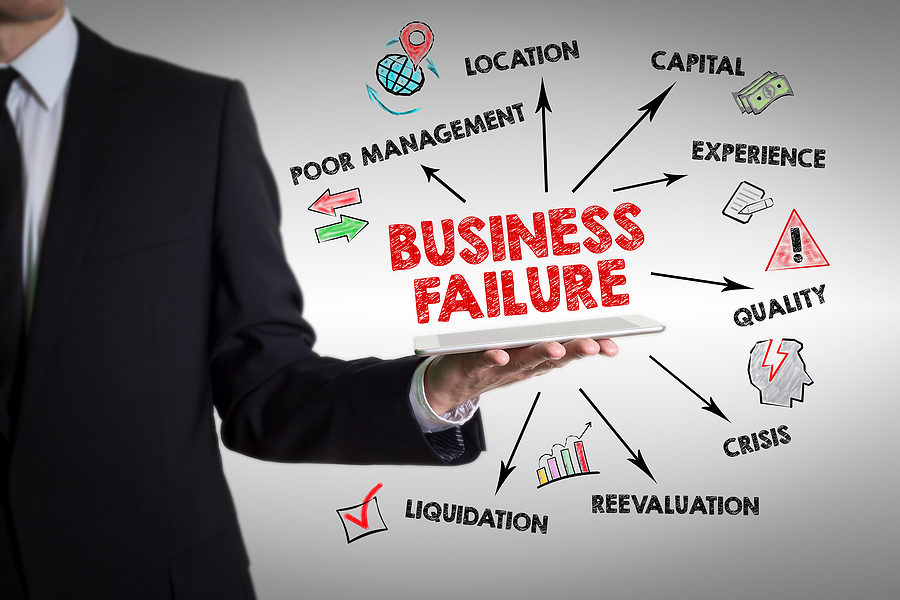
ST. LOUIS, MO (StLouisRestaurantReview) Restaurant closures across St. Louis and the broader Midwest have become increasingly visible, raising a difficult but necessary question for owners, investors, and industry professionals alike: Why do restaurants fail? While many point to rising food costs, labor shortages, or changing consumer habits, industry analysis consistently circles back to one unavoidable truth — the number one cause of restaurant failure is running out of cash.


This reality has nothing to do with passion, food quality, or even customer loyalty. Restaurants close when money runs out before problems can be corrected. In today’s operating environment, where margins are thinner than ever, cash flow has become the defining factor separating survival from closure. CLICK for more information about funding.

Cash Flow Is the Lifeline of Every Restaurant


Restaurants are cash-intensive businesses. Payroll must be met weekly or biweekly. Food suppliers expect payment on strict terms. Rent, utilities, insurance, and taxes arrive regardless of how busy the dining room is. When incoming cash falls short of outgoing expenses, even temporarily, the clock starts ticking.


Many restaurants that appear successful from the outside — busy dining rooms, positive reviews, strong social media engagement — are quietly struggling behind the scenes. Sales alone do not equal profitability. If expenses outpace revenue for too long, the business eventually reaches a point where it cannot pay its bills.


Once payroll is delayed, vendor relationships are strained, or tax payments are missed, recovery becomes exponentially harder.

Prime Cost: The Silent Killer


At the core of most cash flow problems is prime cost, which includes food and beverage costs plus labor. In a healthy restaurant, prime cost should typically fall within a manageable percentage of sales. When that balance slips, profitability disappears.


In recent years, restaurants in St. Louis have faced unprecedented pressure on both sides of prime cost. Food prices have fluctuated dramatically, often rising faster than menu prices can reasonably adjust. Labor costs have increased due to wage competition, reduced labor pools, and higher turnover.


When prime cost quietly creeps upward, owners often do not notice the damage until cash reserves are already depleted. By the time corrective action is taken, the bank account may no longer support recovery.

Fixed Costs Do Not Adjust When Sales Drop


Another major contributor to restaurant failure is the burden of fixed expenses. Rent, common area maintenance charges, insurance, equipment leases, and loan payments remain constant regardless of revenue.


In St. Louis, many restaurants occupy legacy spaces with high build-out costs or long-term leases signed during more favorable economic conditions. When sales decline — whether due to seasonal shifts, construction disruptions, or broader economic pressures — those fixed obligations remain unchanged.


Unlike food and labor costs, fixed costs cannot be reduced quickly. This imbalance creates a dangerous situation in which declining revenue collides with immovable expenses.

Under-Capitalization at Opening


A significant number of restaurant failures originate before the first guest ever walks through the door. Many new operators underestimate the capital required to survive the early stages of operations.


Opening costs are often calculated down to the dollar, but working capital reserves are treated as an afterthought. When early sales miss projections or unexpected expenses arise, the cushion disappears rapidly.


The reality is that most restaurants require six to eighteen months to stabilize. Those without sufficient reserves often fail not because the concept is flawed, but because time runs out.

Sales Volume Alone Is Not the Solution


It is a common misconception that low sales are the primary reason restaurants close. In truth, many failed restaurants were busy — sometimes very busy.


High volume without profitability accelerates failure. Restaurants that discount heavily, rely too much on third-party delivery platforms, or operate inefficient kitchens can lose money on every transaction. The busier they get, the faster cash drains.


In the St. Louis market, competition is intense. Consumers have endless choices, and price sensitivity is growing. Restaurants chasing volume without protecting margins often end up working against themselves.

Poor Cost Controls Compound the Problem


Cash flow problems rarely stem from a single issue. Instead, they are the result of small leaks that compound over time.


Common contributors include:

Over-portioning and inconsistent recipes


Food waste and spoilage


Poor inventory management


Inefficient scheduling and overtime creep


Unmonitored discounts, comps, and voids


Theft, both internal and external

Each issue alone may seem minor. Together, they quietly erode profitability until cash shortages become unavoidable.

Management Execution Matters More Than Ever


In today’s environment, successful restaurants are not just culinary operations — they are financial systems. Owners who fail to monitor weekly cash flow, labor percentages, and vendor terms often discover problems too late.


Strong operators review numbers consistently, not monthly or quarterly. They adjust menus, pricing, staffing, and hours proactively rather than reactively.


Many closures occur not because owners didn’t care, but because they were stretched too thin, working in the business rather than on it.

Debt and Deferred Obligations Catch Up


Another overlooked factor in restaurant failure is the accumulation of deferred financial obligations. During challenging periods, owners often delay tax payments, vendor balances, or loan obligations to stay afloat.


While this can provide short-term relief, it creates long-term pressure. Once deferred balances become due, restaurants face a financial wall they cannot climb.


Sales taxes, payroll taxes, and merchant cash advances are particularly dangerous when mismanaged. These obligations do not disappear, and penalties can escalate quickly.

Changing Consumer Behavior Adds Pressure


The modern restaurant customer is different than even five years ago. Dining habits have shifted toward convenience, value, and experience. Loyalty is harder to maintain, and discretionary spending is more cautious.


Restaurants must now compete not only with neighboring establishments but also with home cooking, meal kits, and entertainment alternatives. Marketing has become essential, yet many operators lack the time or budget to execute effectively.


When customer counts soften, cash flow tightens almost immediately.

Why Some Restaurants Still Succeed


Despite the challenges, many restaurants in St. Louis continue to thrive. The difference is rarely luck. Successful operators share several key traits:

Tight control of prime cost


Conservative cash management


Realistic pricing strategies


Flexible operating models


Strong local marketing


Frequent financial review

Most importantly, they recognize early warning signs and act before cash flow reaches crisis levels.

The Bottom Line for Restaurant Owners


Restaurants do not fail overnight. Closures are usually the final chapter in a story that has been unfolding for months, sometimes years.


The number one cause of restaurant failure is not bad food, poor service, or lack of effort. It is running out of cash before problems can be corrected.


Understanding this reality allows owners to shift focus from chasing sales alone to protecting profitability and liquidity. In a challenging industry environment, cash flow is not just a metric — it is survival.


As St. Louis continues to evolve as a dining destination, the restaurants that endure will be those that treat financial discipline with the same importance as culinary creativity.


Other restaurant business news published on St. Louis Restaurant Review:

Missouri Restaurants Are Supplementing Income


Slots Spreading in Missouri Restaurants Despite Legal Uncertainty


Missouri Restaurants Turn to Slot Machines


Is Now the Right Time to Invest in a Restaurant?


Restaurants That Survive Will Emerge Stronger

© 2025 - St. Louis Media, LLC d.b.a. St. Louis Restaurant Review. All Rights Reserved. Content may not be republished or redistributed without express written approval. Portions or all of our content may have been created with the assistance of AI technologies, like Gemini or ChatGPT, and are reviewed by our human editorial team. For the latest restaurant news and reviews, head to St. Louis Restaurant Review. https://stlouisrestaurantreview.com/why-restaurants-fail-cause-closures/


Is Now the Right Time to Invest in a Restaurant?
Is Now the Right Time to Invest in a Restaurant? Why Industry Turmoil May Be Creating Opportunity


ST. LOUIS, MO (StLouisRestaurantReview) The restaurant industry is facing one of its most challenging periods in decades. Rising labor costs, lingering inflation, shifting consumer habits, and elevated debt levels have forced thousands of restaurants nationwide to close their doors. In the St. Louis region, vacant storefronts with darkened dining rooms and unused commercial kitchens have become increasingly common.


Yet amid the turbulence, a different conversation is emerging among investors, landlords, and experienced operators: Does industry distress actually make this one of the best times in years to invest in restaurants?


For those with capital, patience, and a disciplined approach, many industry insiders believe the answer may be yes.

The Restaurant Industry - A Market Reset, Not an Industry Collapse


While headlines often focus on closures, the broader picture tells a more nuanced story. The restaurant industry is not disappearing—it is recalibrating. Periods of economic stress historically trigger consolidation, not extinction. Weaker operators exit, inefficient concepts disappear, and survivors inherit a larger share of consumer spending.


In practical terms, fewer restaurants competing for the same diners can mean higher per-restaurant demand once the market stabilizes. This reset is creating a rare opening for investors who understand that recovery does not require a return to old habits—it requires adapting to new realities.

The Restaurant Industry - The Rise of Second-Generation Restaurant Spaces


One of the most significant shifts reshaping restaurant investment economics is the explosion of second-generation restaurant spaces. These are former restaurants that already include critical infrastructure, such as:

Commercial kitchen hoods and ventilation systems


Grease traps and floor drains


Walk-in coolers and freezers


Gas, plumbing, and electrical capacity approved for food service

Before the current downturn, these elements were among the most expensive and time-consuming aspects of opening a restaurant. Today, many of these spaces sit vacant, dramatically lowering startup costs for new operators.


Industry estimates suggest build-out expenses for new restaurants can be reduced by 40 to 70 percent when moving into an existing, permitted kitchen. For investors, that reduction changes risk calculations almost overnight.

Landlord Leverage Has Shifted


Another defining feature of the current market is the reversal of negotiating power between landlords and tenants.


For years, restaurant owners faced long lease terms, escalating rent clauses, and limited concessions. That balance has shifted. Commercial property owners, particularly in retail corridors and mixed-use developments, are now actively competing for viable restaurant tenants.


Common concessions now include:

Extended free-rent periods


Shorter initial lease terms


Tenant improvement allowances


More flexible renewal options


Percentage-based rent structures

These terms significantly reduce early cash burn, a leading cause of restaurant failure. Investors who negotiate aggressively are finding lease structures that would have been nearly impossible just a few years ago.

Reduced Competition Creates New Market Share


As closures accelerate, remaining restaurants often experience an unexpected benefit: redistribution of demand. When multiple neighborhood restaurants close, residents do not stop eating out entirely. Instead, spending consolidates around the establishments that remain open and relevant.


This shift is particularly noticeable in neighborhoods where casual dining and takeout options have thinned. Restaurants with efficient operations and consistent execution are capturing higher average tickets and increased repeat business, even as overall consumer caution remains.


For new investors entering strategically chosen locations, this environment may offer a faster path to market relevance than during periods of oversaturation.

A New Talent Landscape


Labor challenges remain real, but the workforce composition has changed. Experienced chefs, general managers, and front-of-house leaders are increasingly available after closures and restructuring across the industry.


This availability presents opportunities for investors willing to structure partnerships differently. Equity participation, performance-based bonuses, and long-term incentives are becoming more attractive than pure salary competition. For seasoned professionals, stability and upside now matter as much as hourly wages.


Smart investors are increasingly pairing capital with proven operators rather than attempting to manage restaurants themselves—a model that historically yields better outcomes.

What Has Not Changed: The Risks


Despite the emerging opportunities, restaurants remain high-risk investments when fundamentals are ignored. Several pitfalls continue to derail new ventures.

Overbuilt Concepts


Large menus, oversized dining rooms, and heavy staffing models are increasingly unsustainable. Concepts that rely on high volume alone struggle when demand softens.

Misreading Consumer Behavior


Traffic patterns have changed permanently. Lunch crowds tied to office work, late-night dining, and spontaneous visits are no longer guaranteed. Successful concepts are designed to operate profitably at reduced volume levels.

Insufficient Capital Reserves


Even with favorable lease terms, restaurants face volatile costs for labor, food prices, insurance, and utilities. Investors entering the market should plan for at least 12 to 18 months of operating runway.

The Investor Advantage in 2026


The current environment favors investors who approach restaurants as structured businesses rather than passion projects. Increasingly popular investment models include:

Minority equity stakes with operational controls


Revenue-sharing arrangements


Convertible notes tied to performance milestones


Acquisitions of distressed but operationally sound concepts

Rather than opening entirely new restaurants, some investors are acquiring closed or struggling locations and reopening them under streamlined branding with refined menus and lower overhead.


This approach mirrors private equity strategies seen in other industries—focusing on efficiency, scalability, and eventual exit potential rather than short-term hype.

Concepts Showing Strength


Across the St. Louis region and similar markets, certain restaurant models are demonstrating greater resilience:

Focused menus with strong identity


Ethnic and culturally rooted concepts with loyal followings


Hybrid dine-in and takeout operations


Catering-first and off-premise-driven businesses


Restaurants that control their online ordering and customer data

These models emphasize consistency, speed, and margin protection—qualities increasingly valued by both consumers and investors.

Technology and Ownership of the Customer Relationship


One of the most important lessons from recent years is the cost of dependency on third-party platforms. Restaurants that rely exclusively on delivery marketplaces often sacrifice margin, data, and brand loyalty.


Investors are now prioritizing concepts that maintain direct customer relationships through owned websites, direct ordering systems, email marketing, and loyalty programs. This shift not only improves profitability but also increases long-term business valuation.


Control over customer data is becoming a defining factor in which restaurants survive and which remain perpetually vulnerable.

A Long-Term Perspective Is Essential


The opportunity emerging in today’s restaurant market is not designed for quick wins. Recovery will likely be uneven, with continued closures alongside selective growth. Investors who succeed will be those willing to accept modest early returns in exchange for stronger positioning over time.


History shows that many of today’s most successful restaurant groups were formed during periods of economic stress, when lower entry costs and reduced competition allowed disciplined operators to build sustainable brands.

Conclusion: A Window for Strategic Investors


This is not a forgiving environment for experimentation or undercapitalized ventures. However, for investors with resources, patience, and realistic expectations, the current downturn may represent one of the most attractive restaurant investment climates in years.


Lower build-out costs, favorable lease terms, available talent, and reduced competition are converging in ways rarely seen simultaneously. The restaurant industry is not disappearing—it is resetting.


Those who understand the difference may find that today's challenges become the foundation for the strongest restaurant businesses of tomorrow.

This article is published by St. Louis Restaurant Review, covering trends, insights, and developments shaping the regional food and hospitality industry.


© 2025 - St. Louis Media, LLC d.b.a. St. Louis Restaurant Review. All Rights Reserved. Content may not be republished or redistributed without express written approval. Portions or all of our content may have been created with the assistance of AI technologies, like Gemini or ChatGPT, and are reviewed by our human editorial team. For the latest restaurant news and reviews, head to St. Louis Restaurant Review. https://stlouisrestaurantreview.com/now-right-time-invest-in-a-restaurant/


Hacienda Mexican Restaurant to Close Its Doors
Hacienda Mexican Restaurant Closes Its Doors, Marking the End of a Rock Hill Dining Institution


ROCK HILL, MO (StLouisRestaurantReview) Hacienda Mexican Restaurant, a long-standing fixture along Manchester Road in Rock Hill, has officially closed its dining room, ending decades of service and signaling another significant shift in the St. Louis-area restaurant landscape.


For generations of diners, Hacienda was more than a neighborhood Mexican restaurant. It was a place tied to family traditions, milestone celebrations, and routine weeknight meals that became part of everyday life. Its closure represents not just the loss of a familiar dining option, but the fading of a legacy business that helped shape the local restaurant identity of West St. Louis County.


While the Hacienda name may continue in limited formats such as catering or mobile service, the full-service dining room that customers knew is now gone — a decision driven by financial realities that have become increasingly difficult for independent restaurants to overcome.

Hacienda Mexican Restaurant - A Restaurant Rooted in Community History


Hacienda’s longevity made it a recognizable and trusted name. Over the years, it built a loyal customer base through consistency, familiarity, and a menu that appealed to families and longtime residents alike. In an industry known for rapid turnover, surviving for decades is no small accomplishment.


However, longevity also brings challenges. Restaurants that opened decades ago were built for a very different cost structure. Utilities were cheaper, labor was more readily available, insurance costs were lower, and consumers dined out more frequently without scrutinizing every dollar spent.


As economic conditions evolved, Hacienda — like many legacy restaurants — found itself operating within a framework that no longer aligned with today’s realities.

The Hidden Cost of an Aging Building


One of the most significant factors behind Hacienda’s closure was the increasing burden of operating in an older facility. Aging buildings often carry invisible costs that customers never see, but owners feel constantly.


Maintenance expenses grow less predictable over time. Plumbing issues, electrical upgrades, HVAC repairs, refrigeration failures, and structural wear can escalate quickly. These costs are not optional; they are necessary just to remain operational and compliant.


For independent restaurants, a single major repair can erase months of profit. Unlike national chains, there is no corporate buffer to absorb losses. Every expense is drawn directly from operating cash flow, narrowing margins even during busy periods.


At some point, the question shifts from “Can we keep fixing this?” to “Does it still make sense to?”

Why Relocation Wasn’t the Answer


Relocating a restaurant is often viewed as a fresh start, but in reality, it is one of the riskiest moves an operator can make. New locations require substantial upfront investment — buildout costs, new equipment, permitting, signage, and compliance with modern codes.


Relocation also introduces uncertainty. Longtime customers may not follow. Foot traffic patterns change. Lease terms can lock operators into long commitments with little room for error.


For a brand like Hacienda, relocation would not have guaranteed relief from financial pressure. In many cases, it simply replaces one set of challenges with another, often larger, set of fixed expenses.


Instead of taking on additional long-term risk, ownership chose to step away from the traditional dining-room model entirely.

The Full-Service Model Became Harder to Sustain


Full-service restaurants carry high fixed costs that exist regardless of daily traffic. Staffing requirements, utilities, insurance, licensing, and ongoing maintenance must be paid whether the dining room is full or half-empty.


In recent years, traffic volatility has increased. Seasonal slowdowns have become more pronounced, and once-reliable nights are no longer guaranteed. Even a few weak weeks can create cash-flow stress that lingers for months.


For Hacienda, the math simply stopped working. Strong nights were no longer enough to offset rising expenses and unpredictable, slow periods.

Consumer Behavior Has Shifted


Changing consumer habits added another layer of pressure. Diners today are more selective, more price-conscious, and more likely to reduce discretionary spending when economic uncertainty rises.


Many households are dining out less frequently, skipping appetizers or alcohol, or choosing lower-cost options. Even loyal customers may visit less often, not because of dissatisfaction, but because of broader financial caution.


For restaurants operating on thin margins, small changes in consumer behavior can have outsized impacts on revenue.

Rising Costs Compressed Margins


Food costs remain elevated compared to pre-pandemic levels. Labor costs have risen as restaurants compete for a smaller pool of experienced workers. Insurance, utilities, and service contracts have also increased.


Menu price increases can only go so far before customers push back. Independent restaurants often find themselves trapped between rising costs and price sensitivity, with little room left to absorb shocks.


In Hacienda’s case, the cumulative effect of these pressures made continuing full-service operations unsustainable.

What Remains of the Hacienda Brand


Although the dining room has closed, Hacienda is not disappearing entirely. The brand is expected to continue through catering, mobile food service, and other limited formats that allow greater flexibility and lower overhead.


This shift reflects a growing trend within the restaurant industry. Many operators are moving away from fixed, high-overhead dining rooms and toward models that can scale up or down based on demand.


For customers, it means Hacienda’s flavors and identity may still appear at events and gatherings — even if the familiar dining room is no longer part of the experience.

Why This Closure Resonates Locally


When a long-running restaurant closes, the loss feels personal. These establishments become woven into the routines of daily life. They are places where families gather, friendships form, and memories accumulate over time.


Hacienda’s closure highlights how vulnerable even well-known, well-loved restaurants have become. Longevity alone is no longer enough to guarantee survival.

Industry Overview: What Hacienda’s Closure Says About Restaurants Today


Hacienda’s closure reflects broader trends reshaping the restaurant industry across St. Louis and beyond.


Independent restaurants face unprecedented pressure. Costs are higher, financing is tighter, and traffic is less predictable.


Legacy restaurants are especially exposed. Older buildings and traditional operating models often carry hidden expenses that newer concepts avoid.


Adaptability has become essential. Restaurants that survive diversify revenue, control overhead, and remain flexible in staffing and service models.


The competitive field is shrinking. While closures are painful, fewer competitors can eventually mean greater opportunity for those that remain.


Community support matters — but math decides outcomes. Loyalty helps, but it cannot overcome unsustainable economics.


Hacienda’s dining-room closure is not a failure. It reflects an industry undergoing structural change. For restaurant owners, it serves as a cautionary example. For diners, it is a reminder of how fragile independent restaurants truly are. And for the industry, it signals that the next chapter will favor those who combine quality, discipline, and adaptability.


© 2025 - St. Louis Media, LLC d.b.a. St. Louis Restaurant Review. All Rights Reserved. Content may not be republished or redistributed without express written approval. Portions or all of our content may have been created with the assistance of AI technologies, like Gemini or ChatGPT, and are reviewed by our human editorial team. For the latest restaurant news and reviews, head to St. Louis Restaurant Review. https://stlouisrestaurantreview.com/hacienda-mexican-close-doors/


Restaurants That Survive Will Emerge Stronger
Why the Restaurants That Survive the Shakeout Will Emerge Stronger


ST. LOUIS, MO (StLouisRestaurantReview) The restaurant industry has been under extraordinary pressure, and St. Louis has not been immune. Closures have made headlines, margins have tightened, and many operators have questioned whether the business will ever return to “normal.” But beneath the surface of the struggle, a quieter and more important shift is underway.


The restaurant industry is not disappearing. It is resetting.


And history suggests that when the shakeout ends, the restaurants that remain often inherit a larger share of the market, stronger customer loyalty, and new opportunities that were impossible during periods of oversaturation.


For operators who have endured the past few years, the next phase may look very different—and far more promising—than the headlines suggest.

A Necessary Reset After Years of Oversupply


For years, the St. Louis region experienced a steady increase in restaurant openings. New concepts flooded the market, competition intensified, and many neighborhoods reached a point where there were simply too many seats chasing the same dining dollars.


When economic conditions tightened, the weakest links were exposed. Rising costs, staffing challenges, and cautious consumers accelerated closures that likely would have happened eventually.


This process is painful—but it is not unusual.


Every major economic cycle produces a capacity correction, and restaurants are no exception. When that correction runs its course, the remaining businesses often benefit from:

Reduced competition


Less price pressure


More consistent customer traffic


Stronger negotiating power with landlords and vendors

In short, fewer restaurants don’t mean fewer diners—it means the diners concentrate around the places they trust most.

Market Share Shifts to the Survivors


When restaurants close, their customers don’t vanish. They redistribute.


In many St. Louis neighborhoods, closures are already redirecting traffic to nearby establishments. Diners return to familiar favorites, reliable kitchens, and places where they know what they’ll get for their money.


For surviving restaurants, this can mean:

Increased repeat visits


Stronger weekday business


Higher catering demand


Larger share of local online orders

This shift doesn’t happen overnight, but once consumer habits reset, restaurants that remain open often see more consistent volume than they did during periods of heavy competition.


The key factor is trust. In uncertain times, customers gravitate toward businesses that feel stable, dependable, and rooted in the community.

A Better Environment for Expansion—Quietly Emerging


While opening a restaurant during uncertainty feels risky, the post-shakeout phase often creates some of the best expansion conditions operators have seen in years.


As closures continue, operators are gaining access to:

Second-generation restaurant spaces


Favorable lease negotiations


Shorter build-out timelines


Discounted used equipment

Landlords, eager to fill vacant spaces, are more flexible than they were during peak demand. Municipalities want occupancy. Property owners want reliable tenants. That leverage rarely exists during boom periods.


For well-run restaurants with strong fundamentals, expansion after the correction may cost less upfront and carry lower long-term risk than expansion during overheated markets.

Labor Conditions Will Improve for Stable Operators


One of the most overlooked benefits of industry consolidation is its effect on labor.


As weaker operations close, experienced staff re-enter the job market—but they don’t want instability again. Many are seeking:

Consistent schedules


Reliable paychecks


Professional management


Long-term opportunities

This benefits restaurants that survived by running disciplined operations. Over time, hiring becomes less chaotic, turnover slows, and training investments stick.


While labor costs remain elevated, the quality and stability of the workforce often improve after a shakeout, reducing hidden costs tied to constant rehiring and retraining.

Customers Will Return—But Differently


Consumers haven’t stopped dining out. They’ve become more selective.


As inflation fatigue eases and households adjust budgets, dining routines tend to re-establish themselves—but with new priorities. Customers are less interested in novelty for novelty’s sake and more focused on:

Consistency


Value


Comfort


Experience

Restaurants that survived the downturn often did so by delivering exactly those qualities. As a result, they are well-positioned to capture returning traffic when consumer confidence stabilizes.


Dining out may happen slightly less often—but when it does, customers choose places they already trust.

Independent Restaurants Have an Opening Against the Apps


Another positive shift is happening quietly: consumers are growing weary of excessive delivery fees and inflated third-party pricing.


This creates an opportunity for restaurants that:

Promote direct ordering


Offer pickup incentives


Build email or text loyalty programs


Strengthen dine-in experiences

As customers look for better value, restaurants that own the relationship—and the ordering channel—retain more profit per order and build stronger long-term loyalty.


For many St. Louis operators, this moment represents a chance to reclaim margins and customer data previously surrendered to marketplaces.

Why the Next Phase Favors Discipline Over Hype


The restaurants that will thrive in the post-shakeout environment share common traits:

Tighter cost controls


Simpler, more profitable menus


Strong community connection


Clear brand identity


Operational consistency

This is no longer an industry that rewards rapid growth without structure. It rewards discipline, clarity, and execution.


Restaurants that survived did so not by accident, but because they adapted—often painfully—to new realities. That adaptation now becomes their advantage.

St. Louis Is Especially Well-Positioned for a Rebound


St. Louis has long benefited from a loyal dining culture. Residents support neighborhood establishments, value locally owned businesses, and return to places that earn their trust.


As the market resets, St. Louis restaurants that remain open are likely to see:

Stronger neighborhood loyalty


More predictable demand


Less fragmentation of dining dollars

This city’s food scene has always been resilient. What’s happening now is not decline—it’s consolidation.

The Bigger Picture: Less Noise, More Opportunity


The current wave of closures feels heavy because it’s visible. What’s less visible—but equally real—is the opportunity it creates for restaurants that remain.


When the dust settles:

Fewer competitors will chase the same customers


Strong operators will command more attention


Expansion will cost less


Loyalty will matter more than marketing spend

This is how industries mature.

Conclusion: Survival Is Becoming an Advantage


The restaurant industry is not broken—it is recalibrating.


For operators who endured rising costs, staffing shortages, and shifting consumer behavior, survival itself is becoming a strategic advantage. Once closures slow and the market stabilizes, the restaurants that remain will be positioned to capture a larger slice of the pie.


The coming years won’t be effortless—but they may finally reward the discipline, resilience, and commitment that kept these businesses alive.


For St. Louis restaurants that stayed the course, the hardest part may already be behind them.


Related business news articles published on St. Louis Restaurant Review (STLRR):

2026 Survival Guide for Restaurants


Restaurants in 2026: Three Defining Challenges


2026 Economic Change – Restaurants are Feeling it First


Great Accounting System Is the Best Way to Control Restaurant Food Costs

© 2025 - St. Louis Media, LLC d.b.a. St. Louis Restaurant Review. All Rights Reserved. Content may not be republished or redistributed without express written approval. Portions or all of our content may have been created with the assistance of AI technologies, like Gemini or ChatGPT, and are reviewed by our human editorial team. For the latest restaurant news and reviews, head to St. Louis Restaurant Review. https://stlouisrestaurantreview.com/restaurants-survive-emerge-stronger/


Restaurants in 2026: Three Defining Challenges
Restaurants in 2026: Three Defining Challenges Shaping the Industry’s Future


ST. LOUIS, MO (StLouisRestaurantReview) The restaurant industry enters 2026 at a critical crossroads. After years of disruption, adaptation, and reinvention, restaurants now face a new phase defined not by crisis, but by sustained pressure. Margins remain thin, consumers are more selective than ever, and technology is rapidly separating industry leaders from those struggling to keep pace.


While demand for dining experiences still exists, the rules of success have changed. Restaurants that thrive in 2026 will not rely solely on traffic or brand loyalty—they will be those that understand the deeper forces reshaping the industry and adapt their operations, pricing, and customer engagement strategies accordingly.


Three major challenges stand out as the most significant forces impacting restaurants this year: rising operating costs, shifting consumer behavior, and the growing divide created by technology adoption.

1. Rising Operating Costs and the Ongoing Margin Squeeze


For decades, restaurant profitability has depended on managing narrow margins. In 2026, that challenge has intensified. Nearly every major cost category—food, labor, utilities, insurance, equipment, and compliance—has increased, often faster than restaurants can adjust prices without alienating customers.

Food and Ingredient Inflation Remains Sticky


Although inflation has cooled from its peak levels, food costs remain elevated compared to pre-pandemic norms. Protein prices, dairy, oils, and imported ingredients continue to fluctuate due to weather disruptions, supply chain complexity, and global trade conditions. Even small increases in per-plate costs compound quickly for restaurants operating at scale.


Menu price increases have helped offset some of these costs, but many operators have reached the limit of what customers are willing to tolerate. Guests may accept modest increases, but repeated price hikes without noticeable improvements in portion size or quality risk reducing visit frequency.

Labor Costs Continue to Climb


Labor remains the single largest expense for most restaurants, and the pressure has not eased. Wage expectations are higher, minimum wage laws continue to expand, and competition for workers extends beyond hospitality into retail, logistics, and remote-friendly industries.


Staffing shortages persist in many markets, especially for skilled kitchen roles. Training costs, turnover, and scheduling inefficiencies further erode margins. For independent restaurants, even a small increase in hourly wages can materially change profitability.


Many operators are responding by reducing hours, limiting menus, or redesigning service models to require fewer staff. While these strategies can stabilize finances, they also risk diminishing the guest experience if not carefully executed.

Hidden Costs Add Up


Beyond food and labor, restaurants face rising expenses across nearly every operational category. Insurance premiums, credit card processing fees, utilities, rent, equipment maintenance, and packaging costs have all increased. Regulatory compliance—ranging from health codes to labor rules—adds administrative burden and indirect costs that are often overlooked.


Together, these pressures create an environment where doing everything “right” operationally still may not guarantee profitability. Restaurants must now be more intentional, analytical, and strategic than ever before.

2. Consumers Are Spending Differently—and Expect More for Their Money


The second major challenge shaping restaurants in 2026 is the evolution of consumer behavior. Diners have not stopped eating out, but they are far more selective about when, where, and why they spend their money.

Value Matters More Than Price Alone


Consumers are increasingly focused on value—not necessarily the lowest price, but whether the experience feels worth the cost. Rising household expenses have made diners more cautious, and many now question whether dining out delivers enough quality, convenience, or enjoyment to justify the expense.


This shift has forced restaurants to rethink their value proposition. A higher price can be justified if the experience, food quality, service, and atmosphere align with expectations. When those elements fall short, customers are more likely to reduce frequency, trade down to casual dining, or choose home cooking instead.

Dining Out Has Become More Intentional


Impulse dining has declined. Many customers now plan restaurant visits in advance, reserving them for social occasions, celebrations, or experiences that feel meaningful. This has benefited restaurants that offer distinctive atmospheres, unique menus, or strong brand identities, while generic or undifferentiated concepts struggle to stand out.


Off-premise dining patterns have also shifted. Third-party delivery remains important, but growing fees and service charges have made some customers less willing to order delivery frequently. Pickup, direct ordering, and dine-in experiences have regained importance as consumers seek better value and transparency.

Preferences Are Evolving Across Generations


Younger diners prioritize flexibility, authenticity, and social experiences. They are more likely to favor casual, shareable menus, global flavors, and visually engaging environments. Older diners tend to value consistency, comfort, and service quality, but they too are increasingly price-conscious.


Across all demographics, diners expect restaurants to align with their values—whether that means sustainability, local sourcing, transparency, or community involvement. Restaurants that communicate these values clearly often build stronger emotional connections with their guests.

3. Technology Is Creating a Clear Divide Between Winners and Losers


The third defining challenge for restaurants in 2026 is not whether technology exists, but whether operators can successfully adopt and use it. Technology is no longer optional—it is foundational to efficiency, customer engagement, and long-term competitiveness.

Digital Operations Are Now the Standard


Modern point-of-sale systems, integrated online ordering, real-time inventory management, and automated reporting are becoming baseline expectations. Restaurants that lack these tools often struggle with inefficiencies, data blind spots, and operational inconsistency.


Technology enables better forecasting, reduced waste, and faster decision-making. Restaurants using data to understand peak hours, menu performance, and customer behavior are better positioned to control costs and optimize staffing.

Automation and AI Are Gaining Ground


Automation is increasingly used to reduce labor dependency, particularly for repetitive tasks such as order-taking, scheduling, inventory tracking, and even some food preparation. While full automation is not practical for every restaurant, targeted technology use can significantly improve productivity.


Artificial intelligence is also beginning to shape marketing, pricing, and customer engagement. Personalized promotions, demand forecasting, and menu optimization tools help restaurants respond faster to changes in consumer behavior and cost structures.

Small Operators Face Adoption Barriers


Despite the benefits, technology adoption is uneven. Independent and small operators often face barriers related to cost, training, and system integration. This creates a widening gap between restaurants that can invest in modern tools and those that rely on outdated processes.


As this gap grows, it influences everything from labor efficiency to guest experience. Restaurants that fail to modernize risk falling behind competitors that operate faster, smarter, and more profitably.

How Restaurants Are Adapting to Survive and Grow


Despite these challenges, many restaurants are finding ways to adapt—and even thrive—by rethinking their strategies and operations.

Smarter Menus and Pricing Strategies


Menu engineering has become essential. Restaurants are analyzing contribution margins, simplifying offerings, and highlighting profitable items. Limited-time offers and rotating menus help manage costs while keeping experiences fresh.


Some operators are experimenting with tiered pricing, bundled meals, and value-driven promotions that preserve margins without relying on blanket discounts.

Operational Efficiency Over Expansion


Rather than expanding locations, many restaurants are focusing on improving performance at existing units. Streamlined kitchens, cross-trained staff, better scheduling, and tighter inventory controls help reduce waste and stabilize finances.


Efficiency is no longer just about cost-cutting—it’s about sustainability.

Stronger Brand and Community Engagement


Restaurants that clearly communicate who they are and what they stand for are building deeper loyalty. Community involvement, local partnerships, and consistent storytelling help differentiate brands in crowded markets.


In an era where consumers are more selective, emotional connection matters as much as convenience.


Related news articles published on St. Louis Restaurant Review (STLRR):

2026 Economic Change – Restaurants are Feeling it First


2026 Survival Guide for Restaurants


Great Accounting System Is the Best Way to Control Restaurant Food Costs

Conclusion: 2026 Is a Test of Adaptability


The restaurant industry in 2026 is not facing collapse—but it is undergoing a profound transformation. Rising costs, changing consumer expectations, and rapid technological change are forcing operators to evolve or risk being left behind.


Restaurants that succeed will be those that embrace adaptability, invest strategically, and understand that value is defined by experience as much as price. While the challenges are real, so are the opportunities for operators willing to rethink traditional models and build resilient, modern businesses.


The next chapter of the restaurant industry will reward those who adapt thoughtfully, act decisively, and remain deeply connected to the customers they serve.


© 2025 - St. Louis Media, LLC d.b.a. St. Louis Restaurant Review. All Rights Reserved. Content may not be republished or redistributed without express written approval. Portions or all of our content may have been created with the assistance of AI technologies, like Gemini or ChatGPT, and are reviewed by our human editorial team. For the latest restaurant news and reviews, head to St. Louis Restaurant Review. https://stlouisrestaurantreview.com/restaurants-2026-three-challenges/