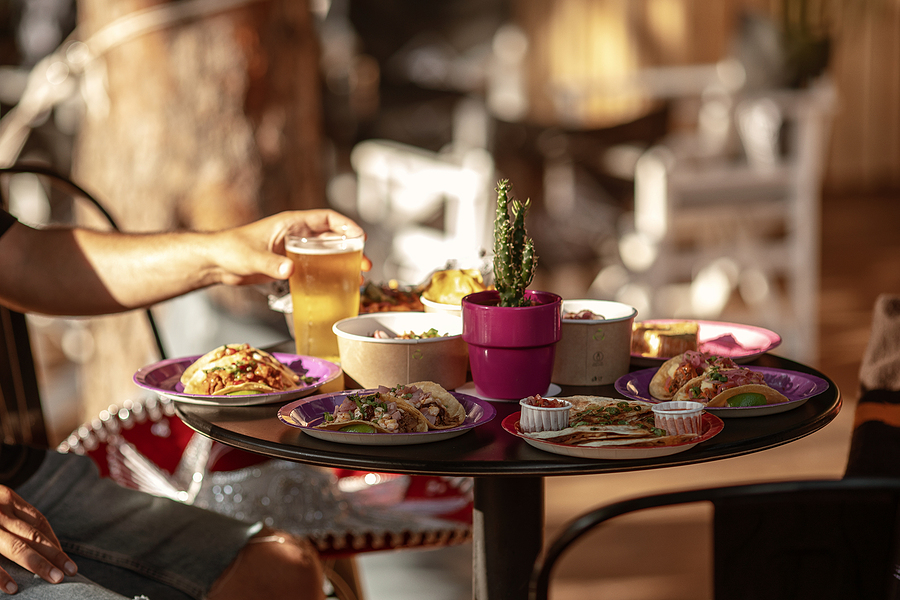
Restaurant prices continue to rise as food, labor, and operating costs increase across the industry.
Even busy restaurants are facing shrinking profit margins despite higher menu prices.
Understanding the reasons behind pricing changes can help diners make better choices and support local businesses.
Introduction: The Price Shock at the Table
ST. LOUIS, MO (StLouisRestaurantReview) For many diners in St. Louis, one thing has become impossible to ignore—restaurant prices are higher than they used to be.
Meals that once felt affordable now seem noticeably more expensive. A casual dinner can cost as much as a special occasion used to. Even quick lunches and takeout orders are adding up faster than expected.
It is easy to assume that restaurants are simply charging more to increase profits.
But the reality is very different.
Restaurant owners are not raising prices because they want to—they are raising prices because they have to.
Understanding why prices are rising requires looking beyond the menu and into the actual economics of running a restaurant today.
The Biggest Factor: Rising Food Costs
At the core of the issue is the cost of ingredients.
Restaurants depend on a steady supply of:
- meat and seafood
- dairy products
- produce
- grains and oils
Over the past several years, the cost of these items has increased significantly.
For example:
- beef and chicken prices have fluctuated and often increased
- cooking oils and basic staples have seen sharp price jumps
- fresh produce costs vary widely depending on availability
When ingredient costs rise, restaurants have only a few options:
- absorb the cost (reducing profit)
- reduce portion sizes
- or raise menu prices
Most choose a combination of all three.
Labor Costs Are Higher Than Ever
Another major driver of price increases is labor.
Restaurants rely heavily on staff:
- cooks
- servers
- dishwashers
- managers
The labor market has changed.
Restaurants now face:
- difficulty hiring workers
- increased competition for employees
- higher wages to attract and retain staff
Labor is one of the largest expenses in a restaurant.
When wages rise, the cost must be reflected somewhere—and that usually means menu prices.
Rent, Utilities, and Overhead Are Climbing
Beyond food and labor, the cost of simply operating a restaurant has increased.
This includes:
- rent or mortgage payments
- electricity and gas
- water and waste services
- insurance
These expenses are often fixed or rising and do not decrease when business slows.
Restaurants must cover these costs regardless of how many customers come through the door.
As these expenses increase, pricing must adjust to keep up.
The Hidden Cost of Delivery Apps
Many diners enjoy the convenience of delivery.
But what most do not realize is how much it costs restaurants.
Third-party delivery platforms often take a significant percentage of each order.
For restaurants, this means:
- reduced profit margins
- higher operational costs
To offset this, many restaurants:
- increase menu prices for delivery
- adjust pricing across the board
Even if you dine in or pick up, these costs can still affect the overall price.
Shrinking Margins Despite Higher Prices
One of the most important things diners should understand is this:
Higher prices do not necessarily mean higher profits.
In many cases, restaurants are making less money than they did before, even with increased pricing.
This is because costs have risen faster than prices.
Restaurants are often trying to catch up, not get ahead.
The goal is not to increase profit—it is to maintain it.
Portion Sizes and Menu Changes
Another way restaurants manage rising costs is by adjusting portion sizes and menus.
You may notice:
slightly smaller portions
fewer menu items
simplified dishes
These changes are not about cutting corners.
They are about:
- reducing waste
- controlling costs
- maintaining consistency
A smaller, more focused menu can help restaurants operate more efficiently.
Why Restaurants Can’t Just “Keep Prices Low”
Many customers wonder why restaurants do not simply keep prices the same to stay competitive.
The answer is simple: they cannot afford to.
If prices remain unchanged while costs increase, the restaurant begins to lose money.
Over time, this leads to:
- financial strain
- reduced quality
- or closure
Raising prices is often the only way to stay in business.
The Pressure From Customers
Restaurants also face pressure from customers who are sensitive to price increases.
Diners are dealing with inflation as well.
This creates a difficult situation:
- raise prices too much, and customers may stop coming
- keep prices too low, and the business loses money
Restaurant owners must find a balance.
This is one of the most challenging aspects of running a restaurant today.
The Role of Convenience
Customer behavior has also changed.
More people are:
- ordering takeout
- using delivery apps
- seeking convenience
While this increases sales volume, it does not always improve profitability.
Restaurants must adapt to these preferences while managing the associated costs.
What Diners Should Understand
Restaurant owners are not asking for sympathy—they are asking for understanding.
When prices increase, it is not about taking advantage of customers.
It is about keeping the business open.
Diners can help by:
- supporting local restaurants
- ordering directly when possible
- choosing carryout instead of delivery
- understanding the value behind the price
These actions may seem small, but they make a difference.
The Value Behind the Price
A restaurant meal is more than just food.
It includes:
- preparation and cooking
- service and hospitality
- a clean and comfortable environment
- the experience of dining out
Each of these elements comes with a cost.
When you pay for a meal, you are paying for the entire experience—not just the ingredients.
The Risk of Losing Local Restaurants
If restaurants are unable to adjust their prices to cover costs, the outcome is clear.
They close.
St. Louis has already seen restaurants:
- reduce hours
- scale back operations
- shut down quietly
If this trend continues, the local dining scene will change.
Fewer independent restaurants will remain.
More chains may take their place.
The diversity and character of the city’s food culture could be affected.
A Shared Responsibility
The future of the restaurant industry depends on both owners and customers.
Restaurant owners must:
- manage costs effectively
- operate efficiently
- adapt to changing conditions
Customers can:
- support local businesses
- make informed choices
- understand the challenges behind pricing
Together, these efforts can help create a more sustainable environment.
Looking Ahead
Restaurant prices may continue to rise as costs remain high.
But the industry is also adapting.
We are seeing:
- more efficient operations
- smarter menu design
- increased focus on profitability
These changes may lead to a more stable industry in the long term.
Conclusion: Understanding the New Reality
Restaurant prices are rising, and for many diners, it is a noticeable and sometimes frustrating change.
But behind those prices is a reality that is often overlooked.
Restaurants are facing higher costs, tighter margins, and constant pressure to adapt.
Raising prices is not about increasing profit—it is about survival.
Understanding this can change how diners view the restaurant experience.
It can also help ensure that the restaurants people enjoy today are still there tomorrow.
Because in the end, the goal is not just to eat—it is to preserve the businesses that make dining out possible.
Other restaurant news stories published on St. Louis Restaurant Review - STLRR:
What Restaurant Owners Wish Customers Understood
Dao Tien Express in Florissant Ends DoorDash and Grubhub Orders
A Warning to St. Louis: The Restaurant Industry Is on the Brink
The Inspiring Story Behind Sweetie Cup Thai Cafe
Restaurants Should Publish Content on St. Louis Restaurant Review
© 2025 - St. Louis Media, LLC d.b.a. St. Louis Restaurant Review. All Rights Reserved. Content may not be republished or redistributed without express written approval. Portions or all of our content may have been created with the assistance of AI tools, such as Gemini or ChatGPT, and are reviewed by our human editorial team. For the latest restaurant news and reviews, head to St. Louis Restaurant Review. https://stlouisrestaurantreview.com/why-restaurant-prices-keep-rising-what-diners-should-know/

No comments:
Post a Comment