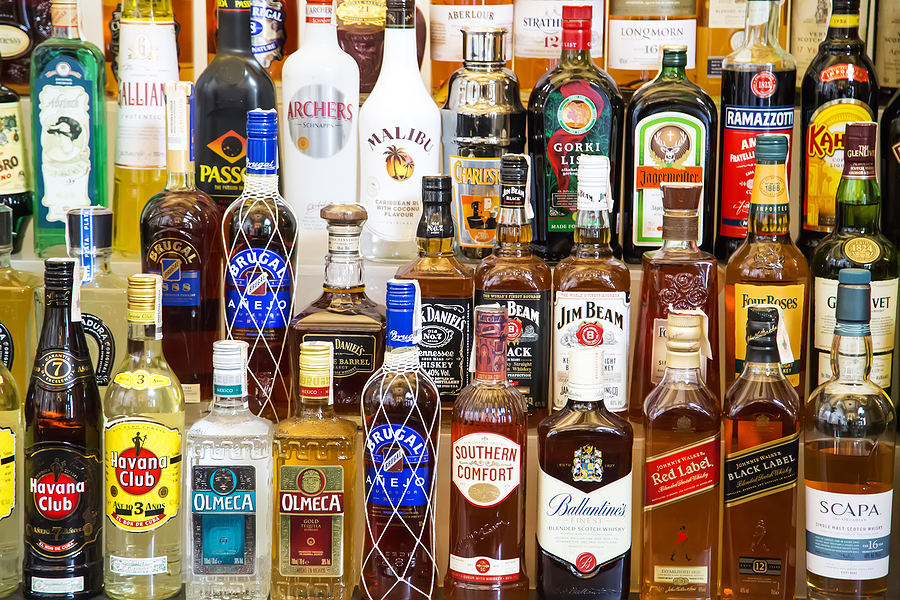
Missouri law requires restaurants to purchase alcohol only from licensed distributors.
This rule is part of a strict system designed to control safety, taxation, and compliance.
Violating this requirement can result in fines, license suspension, or permanent closure.
ST. LOUIS, MO — Understanding a Critical Rule Many Restaurant Owners Overlook
ST. LOUIS, MO (StLouisRestaurantReview) In Missouri, restaurants that serve alcohol operate under a strict regulatory framework that governs how alcohol is purchased, sold, and tracked. One of the most important—and often misunderstood—requirements is that liquor license holders must buy alcohol exclusively from licensed distributors.
For many restaurant owners, especially those new to the industry, this rule can seem restrictive. However, it plays a central role in maintaining compliance and protecting both businesses and consumers.
The Missouri Division of Alcohol and Tobacco Control enforces this requirement as part of a broader system designed to regulate alcohol across the state.
The System Behind the Rule
Missouri follows the commonly known three-tier structure for alcohol distribution. This system separates the industry into producers, distributors, and retailers.
Restaurants fall into the retailer category, meaning they are not permitted to purchase alcohol directly from producers in most cases. Instead, they must work through licensed distributors who act as intermediaries.
This structure has been in place for decades and continues to serve as the backbone of alcohol regulation throughout the state.
Ensuring Accountability and Oversight
One of the primary reasons for requiring distributor purchases is to maintain accountability. Distributors provide a controlled checkpoint in the supply chain, ensuring that all alcohol entering the market is properly documented.
Every transaction creates a record, including invoices and delivery confirmations, which can be reviewed during inspections or audits. This level of oversight allows regulators to monitor activity and identify potential violations.
Without this system, tracking the movement of alcohol would become significantly more difficult.
Protecting Tax Revenue
Alcohol sales are subject to various taxes, making accurate reporting essential. By requiring restaurants to purchase through licensed distributors, the state ensures that tax obligations are properly recorded and collected.
This system reduces the risk of underreporting and helps maintain consistency across the industry. For restaurant owners, it also provides a clear framework for financial reporting tied to alcohol sales.
Failure to follow these requirements can raise red flags during audits and lead to serious consequences.
Maintaining Product Safety and Legitimacy
Another key function of the distributor system is to ensure that alcohol products meet safety and labeling standards. Licensed distributors are regulated entities that must comply with strict guidelines regarding storage, handling, and sourcing.
This reduces the risk of counterfeit or unsafe alcohol entering the market. Restaurants that purchase from unauthorized sources not only violate the law but also risk serving products that may not meet regulatory standards.
For consumers, this system provides confidence that the alcohol they are served is legitimate and safe.
Preventing Market Manipulation
The requirement also exists to prevent producers from exerting undue influence over retailers. Historically, producers controlled bars and saloons, limiting competition and encouraging aggressive sales practices.
By separating producers from retailers, Missouri law promotes a more balanced and competitive marketplace. Restaurants are free to choose from a variety of products offered through distributors rather than being tied to a single supplier.
This structure supports independent business operations and protects consumer choice.
The Risks of Violating the Rule
Restaurants that attempt to bypass licensed distributors face significant risks. Purchasing alcohol from unauthorized sources is considered a serious violation of Missouri law.
Penalties may include fines, suspension of a liquor license, or permanent revocation. In some cases, violations can trigger broader investigations into a restaurant’s operations, including financial and compliance reviews.
For many establishments, losing a liquor license can be devastating. Alcohol sales often represent a major portion of revenue, and without them, sustaining operations becomes extremely difficult.
Limited Exceptions with Strict Conditions
While Missouri does allow certain exceptions—such as limited direct purchases from specific producers—these situations are tightly regulated and require full compliance with state rules.
Restaurant owners should not assume that exceptions apply without verifying their eligibility. Misinterpreting these allowances can lead to unintentional violations.
Why This Matters in Today’s Restaurant Environment
As the restaurant industry continues to face rising costs and increased competition, some operators may be tempted to cut corners to improve margins. However, when it comes to alcohol purchasing, the risks far outweigh any potential savings.
Regulators are placing greater emphasis on compliance, and enforcement actions are becoming more frequent. Restaurants that fail to follow established rules are more likely to face penalties that can threaten their long-term viability.
Industry Perspective: Compliance as a Business Strategy
Many successful restaurant operators view compliance not as a burden, but as a critical part of their business strategy. Maintaining proper purchasing practices, accurate records, and strong relationships with licensed distributors helps ensure stability and reduces risk.
By operating within the legal framework, restaurants can focus on growth, customer experience, and profitability without the constant threat of regulatory action.
Conclusion: A Rule That Protects the Entire Industry
Missouri’s requirement that restaurants purchase alcohol from licensed distributors is more than just a regulation—it is a system designed to protect businesses, consumers, and the integrity of the marketplace.
From tax collection and safety standards to fair competition and accountability, the rule serves multiple essential purposes. For restaurant owners, understanding and following this requirement is not optional.
It is a fundamental part of operating legally—and staying in business—in Missouri.
Summary
Missouri law requires restaurants to buy alcohol from licensed distributors to ensure accountability, tax compliance, and product safety. Violating this rule can lead to serious penalties, including the loss of a liquor license.
For restaurant owners, following proper purchasing procedures is essential to protecting both their business and their future.
More restaurant business news published on St. Louis Restaurant Review - STLRR:
Missouri Liquor Law Violations That Can Shut Your Restaurant Down in 2026
Why Every Restaurant Needs a Mobile App
The High Stakes of Sales Tax Compliance in Restaurants
Why Restaurants Should Optimize Food Photos Before Posting Them Online
Why Restaurants Are Publishing Articles to Rank Higher on Google
© 2025 - St. Louis Media, LLC d.b.a. St. Louis Restaurant Review. All Rights Reserved. Content may not be republished or redistributed without express written approval. Portions or all of our content may have been created with the assistance of AI tools, such as Gemini or ChatGPT, and are reviewed by our human editorial team. For the latest restaurant news and reviews, head to St. Louis Restaurant Review. https://stlouisrestaurantreview.com/why-missouri-requires-restaurants-buy-alcohol-distributors/

No comments:
Post a Comment