Thursday, February 26, 2026


Best BBQ in St. Louis for 2026: Top 10 Smokehouses
Best BBQ in St. Louis for 2026: Top 10 Smokehouses Ranked by Diners


Searching for the best BBQ in St. Louis in 2026? From legendary dry-rub ribs to tender brisket and slow-smoked pulled pork, these top 10 smokehouses consistently earn top ratings. Here’s where to go, what to order, and why each restaurant stands out.

Best BBQ in St. Louis: The Ultimate 2026 Guide


ST. LOUIS, MO (StLouisRestaurantReview) Barbecue is more than food in St. Louis — it’s tradition, competition, neighborhood pride, and culinary craftsmanship. While Kansas City and Memphis often dominate national BBQ headlines, the Gateway City has quietly built a powerful reputation of its own. With spring sneaking up on us, we offer the following recommendations.


If you’re searching for the best BBQ in St. Louis, this in-depth 2026 guide explores the top 10 smokehouses based on online ratings, consistency, community reputation, and overall dining experience.

1. Pappy’s Smokehouse

3106 Olive St, St. Louis, MO 63103


4.6/5 (4,000+ reviews)

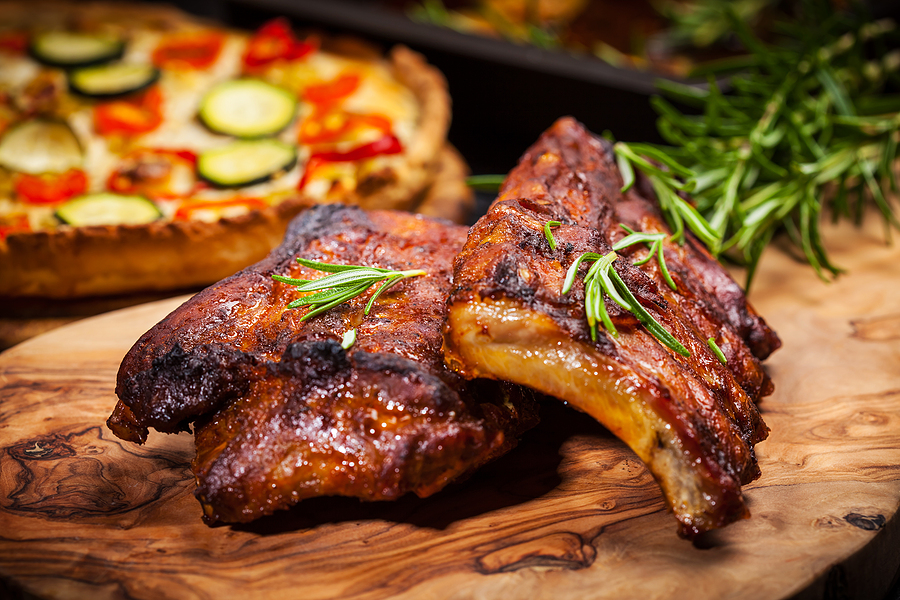
No conversation about the best BBQ in St. Louis starts without Pappy’s. Known nationally for its Memphis-style dry-rub ribs, this Midtown institution slow-smokes meats over apple and cherry wood for up to 14 hours.


The ribs arrive with a bark that locks in flavor and moisture. Unlike many barbecue joints, sauce is not applied during cooking. Instead, guests choose from multiple house-made sauces at the table.


Top Picks:

Dry-rub ribs


Beef brisket


Pulled pork


Sweet potato fries

The restaurant often sells out before closing, which only reinforces its reputation. Lines before opening are common — and worth it.

2. Bogart’s Smokehouse

1627 S 9th St, St. Louis, MO 63104


4.7/5 (1,300+ reviews)

Located in Soulard, Bogart’s has become Pappy’s strongest rival. The ribs here often feature a subtle glaze that enhances the smoke flavor without overpowering it.


Their brisket is juicy and deeply seasoned, and burnt ends regularly receive high praise from returning customers.


Top Picks:

Apricot-glazed ribs


Burnt ends


Brisket


Deviled egg potato salad

Bogart’s smaller footprint creates a cozy, neighborhood feel, and many locals argue it deserves the top spot.

3. Salt + Smoke (Delmar Loop)

6525 Delmar Blvd, University City, MO 63130


4.4/5 (700+ reviews)

Salt + Smoke brings a modern approach to traditional barbecue. Located in the vibrant Delmar Loop, it attracts families, professionals, and visitors alike.


The brisket is moist and flavorful, while the white cheddar cracker mac has become one of the most talked-about side dishes in the city.


Top Picks:

Smoked brisket


Ribs


White cheddar cracker mac


Smoked wings

The energy here feels lively and contemporary — perfect for group dinners or casual nights out.

4. Sugarfire Smoke House

- 605 Washington Ave, St. Louis, MO 63101


- 4.4/5 (1,300+ reviews)

Sugarfire has grown into a recognizable barbecue brand in the St. Louis metro area. It balances traditional smoked meats with creative daily specials and inventive sandwich combinations.


Top Picks:

Brisket


Pulled pork


Smoked turkey


Specialty sandwiches

With multiple locations, Sugarfire is often the most accessible option for visitors staying downtown.

5. Adam’s Smokehouse

2819 Watson Rd, St. Louis, MO 63139


4.7/5 (Hundreds of reviews)

Adam’s Smokehouse is frequently described as a hidden treasure. The focus here is straightforward: smoke quality meats daily and serve them fresh.


There’s no flashy branding — just consistently tender brisket, flavorful ribs, and hearty sides.


Top Picks:

Brisket


Ribs


Smoked sausage


Green beans

It’s the kind of place where regulars are greeted by name.

6. The Shaved Duck

2900 Virginia Ave, St. Louis, MO 63118


4.4/5 (700+ reviews)

The Shaved Duck blends barbecue with Southern-inspired comfort dishes. It offers more variety than traditional smokehouses, making it ideal for mixed groups.


Top Picks:

Smoked ribs


Brisket


Southern sides


Comfort-style entrées

The atmosphere feels welcoming and slightly eclectic, giving it a broader appeal beyond pure BBQ enthusiasts.

7. Roper’s Ribs

6929 W Florissant Ave, St. Louis, MO 63136


4.6/5 (150+ reviews)

Roper’s Ribs is often called one of the city’s most underrated smokehouses. The focus is simple: flavorful ribs and smoked chicken prepared with traditional methods.


Top Picks:

Rib tips


Smoked chicken


Classic sides

This is authentic, no-frills barbecue backed by strong local loyalty.

8. The Stellar Hog

5623 Leona St, St. Louis, MO 63116


4.6/5 (Highly rated locally)

The Stellar Hog has developed a dedicated neighborhood following. Known for consistent smoke flavor and friendly service, it’s a dependable choice in South St. Louis.


Top Picks:

Pulled pork


Ribs


Brisket

The relaxed setting makes it ideal for casual family meals.

9. Salt + Smoke (Hampton)

5625 Hampton Ave, St. Louis, MO 63109


4.2/5 (100+ reviews)

This South City location carries the same quality and menu consistency as the Delmar branch, with a slightly more neighborhood-focused feel.


Top Picks:

Brisket sandwich


Ribs


Smoked wings

It remains one of the most dependable barbecue brands in the metro area.

10. BEAST Craft BBQ Co.

20 S Belt W, Belleville, IL 62220


4.5/5 (400+ reviews)

Although technically across the river in Illinois, BEAST Craft BBQ frequently appears in regional “best of” conversations.


Their craft smoking techniques and bold flavor combinations elevate the barbecue experience.


Top Picks:

Brisket


Specialty smoked meats


Rotating chef creations

For serious barbecue fans, the short drive is worth it.

What Makes St. Louis-Style Barbecue Unique?


St. Louis-style ribs are trimmed into a rectangular cut, removing cartilage and creating uniform cooking. The emphasis on dry rub seasoning and long smoke times allows the meat's natural flavor to shine.


Unlike heavily sauced styles elsewhere, St. Louis barbecue often presents sauce on the side. This approach preserves the bark — the flavorful crust formed during smoking — and lets diners customize their experience.

The Competitive Edge of St. Louis BBQ


What makes the best BBQ in St. Louis special isn’t just tradition — it’s competition. With multiple nationally recognized smokehouses within a short drive of each other, pitmasters constantly refine techniques and flavor profiles.


That competition benefits diners. Quality remains high, and innovation continues without abandoning tradition.

Final Thoughts: Choosing the Best BBQ in St. Louis


There is no single definitive answer to the best BBQ in St. Louis — and that’s a good thing.


Some diners prioritize ribs. Others search for perfectly sliced brisket. Some want burnt ends; others focus on sides. The good news is that St. Louis offers exceptional options across neighborhoods and price points.


If you’re exploring the region in 2026, visiting these ten smokehouses will give you a comprehensive taste of the city’s barbecue culture.


© 2025 - St. Louis Media, LLC d.b.a. St. Louis Restaurant Review. All Rights Reserved. Content may not be republished or redistributed without express written approval. Portions or all of our content may have been created with the assistance of AI tools, such as Gemini or ChatGPT, and are reviewed by our human editorial team. For the latest restaurant news and reviews, head to St. Louis Restaurant Review. https://stlouisrestaurantreview.com/best-bbq-st-louis-2026-top-smokehouses/


Tuesday, February 24, 2026


Tax Management Strategies for Restaurants
(StLouisRestaurantReview) Restaurants operate on thin margins and high transaction volume. Small tax miscalculations compound quickly. Sales tax, payroll tax, property tax, and income tax obligations intersect across daily operations. Structured tax management protects cash flow and prevents regulatory penalties. For operators in markets like St. Louis, Missouri, where local sales tax layers on top of state requirements, precision becomes even more critical.


Understand the Full Tax Exposure


Restaurant owners must map all applicable tax categories. Sales tax applies to most prepared food and beverage transactions. Rates vary by state, county, and municipality, and in cities such as St. Louis, local add-ons can materially affect total collection rates.

Payroll taxes include federal withholding, Social Security, Medicare, and unemployment insurance contributions. Tip income reporting adds complexity and increases audit exposure.

Property taxes apply to real estate owned by the taxpayer. Personal property taxes may apply to equipment such as ovens, refrigeration units, and point-of-sale systems.

Excise taxes may apply to alcohol sales. Multi-location restaurants face additional jurisdictional compliance requirements.

Accurate identification of exposure prevents underpayment or missed filings.


Track Sales Tax With Precision


Restaurants process high daily transaction volumes. Manual sales tax tracking increases the risk of errors.

Modern point-of-sale systems should integrate automated tax rate calculations based on location. Menu item taxability must be configured correctly. For example, packaged goods may be taxed differently from prepared meals depending on the jurisdiction.

Daily reconciliation between POS reports and accounting systems prevents discrepancies. Sales tax collected must be recorded as a liability, not revenue.

Timely remittance schedules vary by revenue threshold. Late filings trigger penalties and interest.

Structured oversight reduces audit risk.


Manage Payroll and Tip Reporting Accurately


Payroll tax compliance is complex in the restaurant sector. Tip income must be reported accurately to avoid underpayment penalties.

Employers are responsible for withholding and remitting payroll taxes on reported tips. Failure to reconcile tip declarations with POS data increases audit vulnerability.

Timekeeping systems should integrate directly with payroll software. Overtime calculations must reflect federal and state labor laws.

Regular payroll tax deposit schedules must be monitored closely. Tax authorities impose strict deadlines.

Automated systems reduce manual error and administrative burden.


Record and Monitor Accruals


Restaurants often incur expenses before payment. Utilities, vendor invoices, and payroll taxes may accrue before settlement.

Understanding and tracking accrued taxes is critical. Accrued tax liabilities represent obligations incurred but not yet paid. Recording them properly ensures financial statements reflect true liabilities.

For example, payroll taxes earned during a pay period must be recorded as liabilities, even if payment is made later. Failure to accrue understates expenses and overstates profitability.

Accrual accounting aligns expenses with the period in which they are incurred and provides clearer financial visibility.


Separate Operating and Tax Accounts


Restaurants with strong cash flow discipline often maintain separate bank accounts for tax liabilities. Sales tax and payroll tax collections should not remain in general operating accounts.

Transferring collected tax amounts daily or weekly into dedicated accounts prevents accidental spending. This method creates a clear view of upcoming obligations.

Cash flow projections should incorporate tax payment schedules. Quarterly estimated income tax payments require advance planning.

Segregation reduces the risk of liquidity shortfalls during remittance periods.


Monitor Inventory and Cost of Goods Sold


Inventory management directly influences taxable income. Food and beverage costs fluctuate with supplier pricing and waste levels.

Regular inventory counts ensure accurate cost of goods sold calculations. Overstated inventory reduces reported expenses and inflates taxable income.

Integrated inventory management systems sync with POS platforms to track usage and purchasing trends.

Proper inventory accounting supports accurate income tax reporting and margin analysis.


Leverage Deductions Strategically


Restaurants qualify for several deductible expenses. Equipment depreciation reduces taxable income over time. Leasehold improvements may qualify for accelerated depreciation under certain provisions.

Energy-efficient equipment upgrades may qualify for credits or deductions. Document purchase invoices and installation records thoroughly.

Employee benefit costs, uniforms, and training expenses are typically deductible. Consultation with a qualified tax professional ensures compliance with evolving regulations.

Strategic deduction planning lowers effective tax rates without increasing audit exposure.


Prepare for Audits Proactively


Restaurants are common audit targets due to cash transactions and the complexity of tip reporting. Preparation reduces operational disruption.

Maintain organized digital records of sales reports, payroll summaries, vendor invoices, and tax filings. Reconcile discrepancies monthly rather than annually.

Conduct internal reviews quarterly. Verify that sales tax collected matches remitted amounts. Confirm payroll tax filings align with wage reports.

Documentation discipline accelerates audit response and strengthens credibility.


Integrate Technology for Compliance


Manual bookkeeping systems limit scalability. Cloud-based accounting software integrates with POS, payroll, and inventory platforms.

Automated reminders track filing deadlines. Real-time dashboards display outstanding liabilities.

Role-based permissions protect financial data integrity. Access logs document changes to tax-related accounts.

Technology reduces administrative workload and improves reporting accuracy.


Conclusion


Tax management requires operational discipline. Restaurants must accurately track sales tax, manage payroll reporting, properly record accruals, and segregate funds for remittance.

Structured systems, regular reconciliation, and proactive planning prevent penalties and preserve profitability. Effective tax management allows restaurant operators to focus on service quality and sustainable growth without regulatory setbacks.

© 2026 - St. Louis Media, LLC d.b.a. St. Louis Restaurant Review - STLRR https://stlouisrestaurantreview.com/tax-management-strategies-restaurants/


How to spot value in restaurant reviews
(StLouisRestaurantReview) Restaurant reviews have changed the way we decide where to eat, but sorting genuine insight from the noise can be tricky.

A few glowing comments or a long list of complaints often hide what really matters: whether the place suits your taste, budget, and expectations.

This article breaks down how to get real value from online reviews, whether you’re hunting for a special dinner spot or just avoiding disappointment on a quick lunch break.

You’ll learn to spot the difference between honest feedback and hype, recognize review patterns that matter, and use these insights to find restaurants that truly deliver.

The goal? Smarter dining choices—every time you sit down at a table.


Why trustworthy reviews matter and how to find them


With hundreds of opinions just a click away, it’s tough to know which restaurant reviews to trust.

A single bad review could be a competitor in disguise, while five-star raves sometimes come from staff or loyal friends. Sorting real experiences from marketing fluff isn’t just helpful—it can save you from a disappointing meal or an overpriced night out.

The most reliable reviews share specific details: what dishes stood out, how staff responded to problems, or why the atmosphere worked for a birthday dinner. Vague praise (“Everything was perfect!”) or oddly aggressive criticism (“Worst place on Earth!”) are warning signs I’ve learned to watch for.

Don’t put all your faith in one platform either. Yelp, TripAdvisor, and Google each have their own quirks and user bases. Cross-checking feedback helps reveal genuine patterns and expose outliers that don’t align with the wider experience.

If you want curated recommendations—whether for restaurants, entertainment, or even betting platforms—turning to trusted sources makes all the difference. For example, ApuestasGuru specializes in expert insights and unbiased reviews tailored for Spanish-speaking users looking to avoid scams and discover real value online.

Bottom line: finding authentic voices takes a little extra effort, but it pays off when you’re hunting for your next great meal—or any worthwhile experience.


Decoding the language of restaurant reviews


Restaurant reviews are about much more than ratings and star counts. The words, tone, and subtle cues in each review can tell you a lot about the true dining experience—if you know how to read between the lines.

Understanding this language is key to avoiding disappointment and making smarter choices. Sometimes a single phrase says more than an entire paragraph of praise. Other times, what’s left out can be just as important as what’s included.

I’ve found that taking time to analyze both the style and content of reviews pays off. It helps you cut through hype, spot red flags, and zero in on feedback that actually matters to your next meal.


Spotting overly positive or negative language


Exaggerated praise or relentless negativity can set off alarm bells for anyone trying to make sense of restaurant reviews. Watch for glowing endorsements with phrases like “the best meal I’ve had in my life” or “absolutely perfect in every way.” Genuine experiences rarely hit these extremes.

The same goes for rants full of “never go here again” or repeated complaints without any specific details. Balanced feedback usually offers context—what worked, what didn’t, and why.

I always look for nuanced comments about things like portion size, timing, or menu highlights. These add credibility because they show the reviewer paid attention rather than simply venting—or faking enthusiasm.


Reading between the lines: what’s not being said


Omissions in reviews often speak volumes. When people gloss over service quality, cleanliness, or atmosphere entirely, I wonder if there was something they’d rather not mention—especially if several reviewers avoid the same topic.

A review might rave about food but skip any mention of wait times or staff friendliness. Or it could focus on price without saying whether it felt justified by the experience. In Spain, locals are quick to note slow service—but when no one brings it up, I start asking questions.

Tuning into these gaps helps you spot patterns others miss. Sometimes silence tells you more than words ever could—and can save you from an underwhelming night out.


Beyond the stars: evaluating review patterns and sources


It’s tempting to trust a restaurant with a wall of five-star ratings, but relying on one score can lead you astray. What really matters is how those reviews stack up over time and across different platforms.

The most reliable picture comes from reviewing patterns. A sudden spike in glowing feedback could hint at paid posts or a new marketing push, while consistent praise for specific dishes or service usually points to genuine strengths.

I always compare reviews across several sites before booking. If multiple platforms highlight the same standout menu item or mention slow service, I know there’s a trend worth considering.

Don’t forget to weigh each source's credibility. Anonymous reviews on broad aggregators carry less weight for me than detailed accounts from people who seem to know their food.


Looking for consistency across platforms


Jumping between TripAdvisor, Google, and local apps can feel tedious, but it pays off. When you notice the same compliments—like “amazing seafood paella” or “friendly staff”—on three different sites, you’re probably onto something real.

Likewise, repeated complaints about portion size or cleanliness signal issues management hasn’t fixed. This kind of pattern is much more telling than any single five-star or one-star outlier.

I once ignored repeated mentions of cramped seating in Madrid because the overall score was high, and regretted it when we had to squeeze around tiny tables all night. Consistency cuts through hype and helps set realistic expectations.


The role of local experts and community voices


A blog post from someone who eats out locally every week carries more weight than dozens of generic reviews. Local food bloggers bring context: they compare restaurants to others in town and catch small details outsiders miss.

Community forums are another goldmine—especially for discovering under-the-radar favorites or learning which spots cater well to families or specific dietary needs. You’ll often get honest back-and-forth about both strengths and weak points.

When I’m traveling, I look up city-specific forums before trusting global review averages. In places like Barcelona or Sevilla, recommendations from locals have led me to incredible meals that would never show up on an aggregator’s top 10 list.


Making the most of restaurant reviews: practical tips


Restaurant reviews aren’t just for finding the newest hot spot—they’re a real tool for shaping your next dining experience.

Instead of scrolling aimlessly, approach reviews with a clear strategy.

The right review can help you set realistic expectations, avoid unpleasant surprises, and even steer you toward a hidden gem that fits your taste and budget.

Here’s how to get the most value from what others are saying before you book a table or order takeout.


Filtering for your priorities and preferences


The best review for you is one that speaks directly to your needs—not just what’s trending or highly rated overall.

If you have dietary restrictions, look for comments about gluten-free options or vegetarian dishes rather than fixating on star ratings.

Maybe ambiance matters more than the menu. In that case, focus on reviews that mention noise levels, lighting, or whether the place is suitable for families or date nights.

I’ve often skipped top-rated places because reviewers mentioned crowded rooms or slow service—two things I personally avoid when dining out in Madrid’s busy Malasaña district.

Your priorities could be anything from price point to Wi-Fi quality. Filtering reviews through your own lens saves time and frustration every single time you eat out.


Spotting value deals and hidden gems


Some of my favorite meals weren’t at Michelin-star restaurants, but at modest local spots I found buried in someone’s glowing review.

If value matters to you, scan for repeated mentions of generous portions, daily specials, or friendly staff who go the extra mile. These details rarely show up in the official description but stand out in authentic feedback.

A great tip is to watch for phrases like “off-the-menu,” “ask for the lunch deal,” or “they surprised us with a free dessert.” These clues often point to genuine hospitality and unique experiences not advertised elsewhere.

The real gems are often mentioned by locals—especially on neighborhood forums or social media groups—so don’t limit yourself to major review platforms alone. This approach has helped me uncover family-run tapas bars in Barcelona where both the prices and the food quality are unbeatable.


Conclusion: Becoming a savvy review reader


Learning to read restaurant reviews with a critical eye gives you a clear edge the next time you’re choosing where to eat.

Instead of getting lost in endless opinions or chasing five-star hype, you’ll be able to sift through the noise and focus on what really matters for your own tastes and needs.

When you spot value in feedback, weigh sources wisely, and pay attention to both mentioned and missing details, dining out becomes more rewarding—and a lot less risky.

The skill of smart review reading doesn’t just help you avoid disappointment; it helps you discover truly memorable meals worth sharing.

Other Restaurant News published on St. Louis Restaurant Review - STLRR:

- El Maguey Chesterfield Unveils Another New Menu Update


- Scrambled Eggs Expands in St. Peters With New Menu


- Restaurants Adapt as Consumers Prioritize Digestive Health


- Wonton King Emerges as a Leading Chinese Caterer


- Mexican Barrel House Opens in Creve Coeur

© 2026 - St. Louis Media, LLC d.b.a. St. Louis Restaurant Review https://stlouisrestaurantreview.com/how-to-spot-value-restaurant-reviews/

Sunday, February 22, 2026


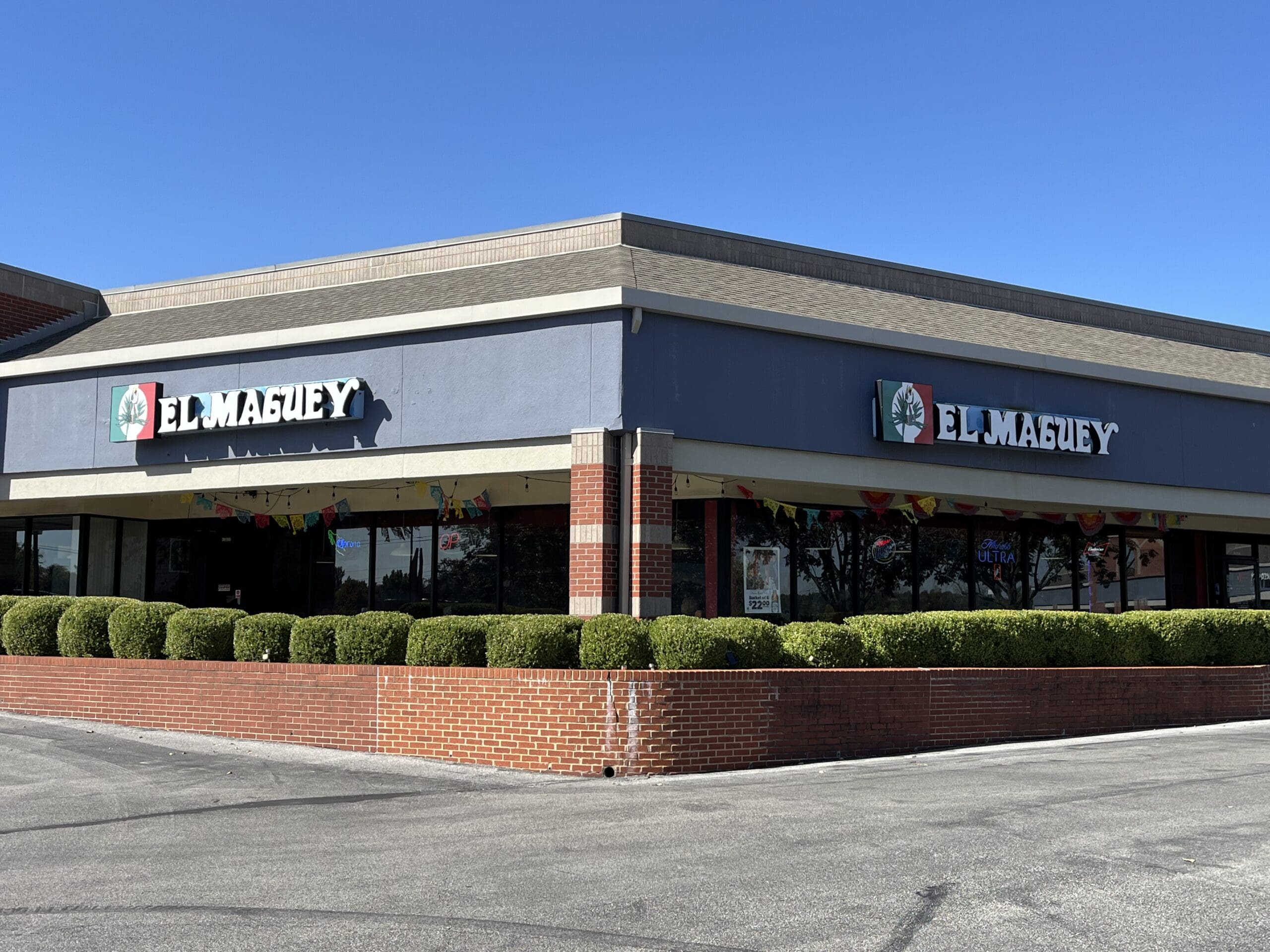
El Maguey Chesterfield Unveils Another New Menu Update
El Maguey in Chesterfield, Missouri, is introducing another new menu update, continuing its tradition of evolving with customer tastes.


After more than 25 years at the same location, the restaurant remains committed to refining its offerings while staying true to authentic Mexican flavors.


Details about the latest menu changes were shared through eOrderSTL, highlighting new additions and select item retirements.

CHESTERFIELD, MO (StLouisRestaurantReview) El Maguey in Chesterfield has never stood still. While the restaurant has been operating at the same location for more than 25 years, its menu has evolved numerous times over the decades to reflect changing tastes, seasonal ingredients, and customer feedback. The latest update is simply the newest chapter in that ongoing process.


As shared through eOrderSTL, El Maguey is preparing to roll out another refreshed menu featuring new dishes while removing a handful of items. This is not a dramatic overhaul or a reinvention. It is a natural progression — something the restaurant has done periodically throughout its long history.

A Restaurant That Understands Adaptation


Longevity in the restaurant business requires adaptability. Trends shift. Ingredients fluctuate in price. Customer preferences evolve. El Maguey has remained successful in Chesterfield because it understands that menus must grow alongside the community they serve.


Over the years, regular guests have likely noticed subtle changes — new specialty plates appearing, seasonal variations introduced, and older selections occasionally retired. The current update follows that same thoughtful pattern.


Rather than making sweeping changes, the restaurant continues refining what it does best: delivering authentic Mexican cuisine with consistency and quality.

More Than 25 Years at the Same Location


Operating for more than a quarter century in the same Chesterfield location speaks volumes about the restaurant’s stability and community support. While other establishments have come and gone, El Maguey has remained a dependable dining option in West St. Louis County.


Generations of families have celebrated milestones there. Business professionals have relied on it for dependable lunch meetings. Friends have gathered for casual dinners and weekend outings. That steady customer base is built on familiarity and trust.


The new menu update reflects a restaurant that is confident in its foundation. It does not need to reinvent itself — only to fine-tune and improve.

What the New Menu Brings


According to information shared through eOrderSTL, the upcoming menu refresh includes a selection of new items designed to enhance variety and modernize certain offerings.


Guests can expect:

New grilled entrée combinations


Updated seafood selections


Refined specialty plates


Adjusted presentation and plating

At the same time, a few items will be removed. This is typical of periodic menu updates, allowing the kitchen to focus on the most popular and high-performing dishes.


The goal is clarity and quality. By streamlining certain menu items, the restaurant can maintain service speed while ensuring consistency.

Staying True to Core Favorites


One constant remains unchanged: El Maguey’s commitment to authentic Mexican flavors. Signature items that have defined the restaurant for years will continue anchoring the menu.


Sizzling fajitas, hearty combination plates, tacos, burritos, enchiladas, and house-made sauces remain at the heart of the experience. The refreshed selections are designed to complement these favorites, not replace them.


For longtime guests, the comfort of familiar dishes remains intact. The new additions simply provide more options and subtle refinements.

The Role of eOrderSTL


The latest menu details were shared via eOrderSTL, a digital ordering platform that connects local diners directly with participating restaurants. As online ordering continues to grow in importance, platforms like eOrderSTL help restaurants communicate updates efficiently.


For El Maguey, this ensures that both dine-in customers and online guests can access the updated menu quickly and conveniently. Customers browsing online will see the new additions reflected in real time once the changes are live.


The digital component has become an important part of modern restaurant operations. While El Maguey’s roots are traditional, its operations reflect today’s dining expectations.

Why Menu Updates Matter


Regular menu updates serve several purposes. They allow chefs to experiment with new flavors. They keep returning customers engaged. They help manage food costs and streamline kitchen operations.


For a restaurant with more than 25 years of history, refreshing the menu periodically keeps the experience dynamic without sacrificing identity.


It also signals attentiveness. Restaurants that listen to feedback and adjust accordingly demonstrate long-term commitment to their guests.

Community Connection Remains Strong


Despite periodic menu changes over the years, one thing has remained constant: El Maguey’s relationship with the Chesterfield community.


The restaurant continues to welcome families, host gatherings, and serve as a reliable option for casual dining. Its reputation has been built on consistency rather than novelty.


This latest update reinforces that philosophy. It is not about change for the sake of change. It is about maintaining relevance while honoring tradition.

Looking Ahead


As the new menu rolls out, customers can expect the same welcoming atmosphere and dependable service that have defined El Maguey for decades.


Longtime diners may discover a new favorite dish. First-time guests will encounter a menu shaped by years of experience and refinement.


For readers of St. Louis Restaurant Review, El Maguey’s latest menu update is another example of how established restaurants can remain vibrant through steady, thoughtful evolution. With information shared through eOrderSTL and more than 25 years of history, El Maguey in Chesterfield continues to prove that consistency and adaptability can go hand in hand.


© 2025 - St. Louis Media, LLC d.b.a. St. Louis Restaurant Review. All Rights Reserved. Content may not be republished or redistributed without express written approval. Portions or all of our content may have been created with the assistance of AI tools, such as Gemini or ChatGPT, and are reviewed by our human editorial team. For the latest restaurant news and reviews, head to St. Louis Restaurant Review. https://stlouisrestaurantreview.com/el-maguey-chesterfield-new-menu/


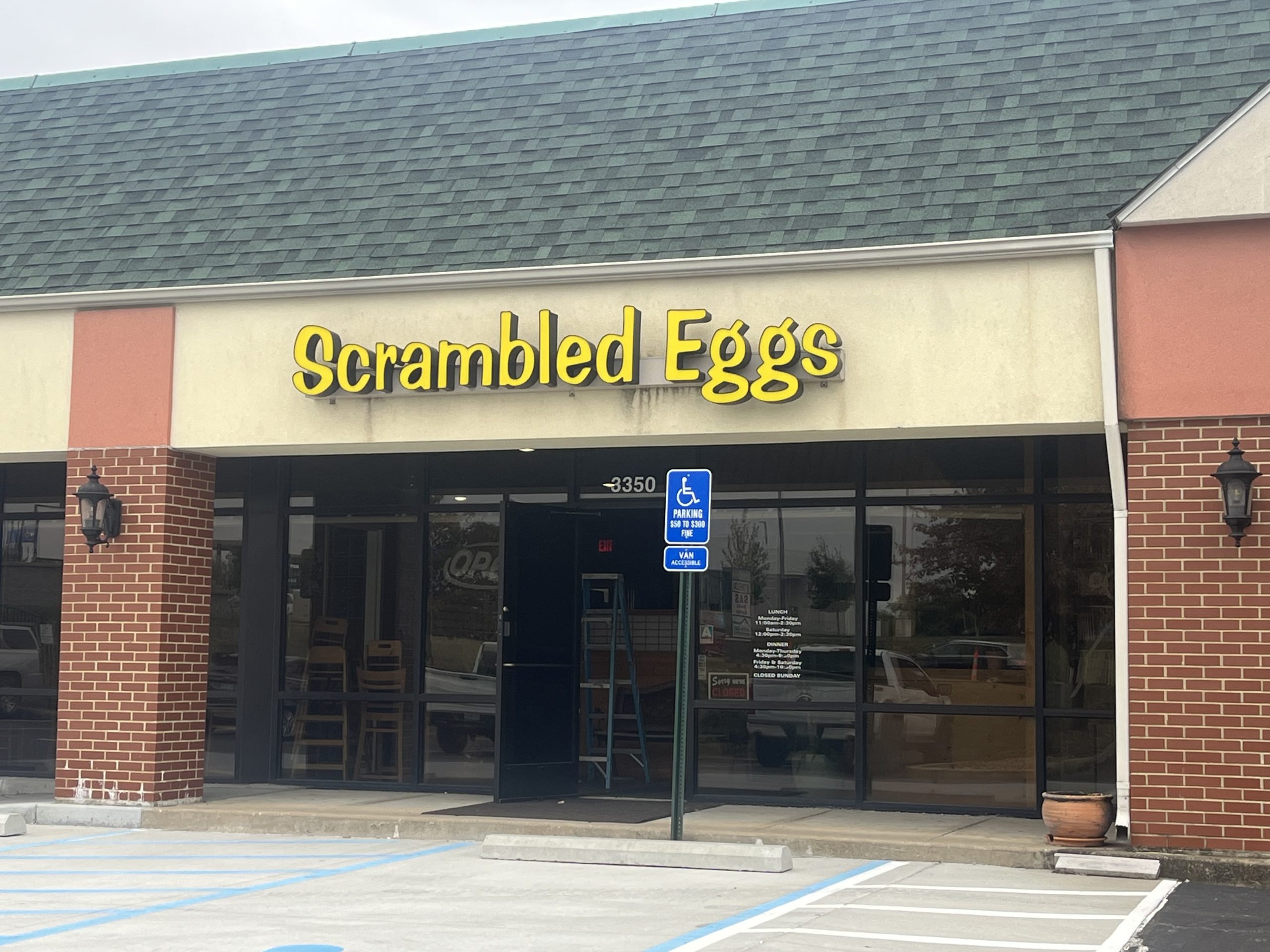
Scrambled Eggs Expands in St. Peters With New Menu
Scrambled Eggs Expands in St. Peters With New Menu, Late Hours, and Online Ordering


Scrambled Eggs Restaurant in St. Peters, Missouri, is entering a new chapter after relocating from Weldon Spring.


The popular breakfast and brunch destination has expanded its menu, extended hours, and enhanced online ordering options.


Local diners continue to show strong support, reflected in high online ratings and repeat business.


ST. PETER's, MO (StLouisRestaurantReview) After a busy and transformative year, Scrambled Eggs Restaurant is proving that growth is not just about changing locations — it is about evolving to meet customer demand. The move from Weldon Spring to St. Peters, Missouri, marked more than a new address. It signaled a renewed commitment to serving the community with expanded offerings, greater convenience, and fresh energy.

A Strategic Relocation to St. Peters


Relocating a restaurant is never simple. It requires careful planning, loyal customer retention, and the ability to reintroduce a brand in a new setting. For Scrambled Eggs, the transition from Weldon Spring to St. Peters represented an opportunity to reach a broader audience while staying connected to longtime supporters.


St. Peter's offers a vibrant and growing community with strong local business support. The move positioned the restaurant in a more centralized and accessible location, making it easier for families, professionals, and visitors to enjoy their favorite breakfast and brunch dishes.


The new space also provided room for operational improvements and menu expansion — something ownership clearly embraced.

Introducing a Mexican-Inspired Menu Addition


One of the most exciting developments since the relocation has been the addition of a Mexican-inspired menu. While Scrambled Eggs built its reputation on classic American breakfast favorites, management recognized growing demand for bold flavors and diverse options.


The expanded offerings now include Mexican-style breakfast dishes and lunch selections that complement the restaurant’s traditional fare. From savory breakfast burritos to flavorful skillets and specialty plates, the additions reflect a thoughtful blend of comfort food and vibrant culinary influences.


This expansion has broadened appeal without abandoning the core menu that loyal customers expect. Instead of replacing favorites, the new selections enhance the overall dining experience and provide guests with more choices.

Extended Hours to Serve More Guests


Another key change has been the extension of operating hours. Recognizing that customers’ schedules are evolving, Scrambled Eggs has adjusted its hours to better accommodate early risers and those seeking later meals.


By staying open later, the restaurant has created new opportunities for families and working professionals to dine in or order takeout. Extended hours also increase flexibility for weekend brunch crowds, which continue to grow in popularity throughout St. Charles County.


This adjustment demonstrates responsiveness to customer needs — a critical factor in maintaining strong community ties.

Leveraging the Power of Online Ordering


In today’s restaurant environment, convenience is essential. Scrambled Eggs has fully embraced digital ordering platforms to ensure customers can enjoy their meals with ease.


The restaurant now offers online ordering with delivery options, including integration with eOrderSTL, which provides delivery service for local customers. This allows guests to place orders directly from their devices and have meals delivered efficiently.


Online ordering not only increases accessibility but also improves operational flow during peak hours. Customers can skip the line, customize orders, and schedule pickup or delivery without delay.


By leveraging technology, Scrambled Eggs has strengthened its ability to compete in a rapidly evolving food-service landscape.

Expanding Catering With Online Ordering Through EZCater


Beyond individual dining, Scrambled Eggs has also enhanced its catering services. With online catering orders available through EZCater, businesses and organizations can now easily schedule breakfast or lunch for meetings, events, and gatherings.


Catering has long been an important revenue stream for many restaurants. By digitizing the ordering process, Scrambled Eggs simplifies planning for corporate clients, schools, churches, and local groups.


From large breakfast spreads to customized menu selections, the ability to place catering orders online reduces friction and increases efficiency for both customers and staff.


This expansion positions the restaurant not only as a dine-in favorite but also as a reliable partner for community events.

Strong Online Ratings Reflect Customer Loyalty


Throughout these changes, one constant remains: strong customer support. Scrambled Eggs continues to earn positive online ratings and reviews from diners who appreciate quality food, friendly service, and consistent experiences.


In the digital age, online ratings significantly influence dining decisions. High ratings indicate customer satisfaction and help attract new patrons who rely on reviews before trying a new restaurant.


The positive feedback reflects years of dedication to service and community engagement. Loyal customers who followed the restaurant from Weldon Spring to St. Peters have helped maintain momentum, while new guests continue to discover what makes the establishment special.

A Commitment to Community


Scrambled Eggs’ evolution is rooted in a desire to better serve local customers. Every major decision — from menu expansion to online delivery and extended hours — appears driven by listening to guest preferences.


Restaurants that thrive long term understand that community connection is everything. By adapting to changing dining habits while maintaining familiar favorites, Scrambled Eggs reinforces its place in the St. Peter's dining scene.


The combination of traditional breakfast staples, new Mexican-inspired offerings, convenient digital ordering, and enhanced catering options reflects a business that is not standing still.

Positioning for Continued Growth


The restaurant industry has faced significant challenges in recent years, including labor shortages and shifting consumer behavior. Businesses that survive and grow are those willing to innovate while preserving quality.


Scrambled Eggs’ busy year illustrates that relocation can be a catalyst for improvement. The move to St. Peters created opportunities to modernize operations, broaden menu appeal, and expand digital reach.


By integrating delivery services such as eOrderSTL and catering platforms like EZCater, the restaurant has strengthened its competitive position. These tools extend its brand beyond the dining room and into homes, offices, and events throughout the region.

Looking Ahead


As Scrambled Eggs settles into its St. Peter's home, momentum appears strong. The addition of new flavors, extended service hours, and enhanced ordering systems positions the restaurant to meet the needs of today’s diners.


For local customers who already love the restaurant, the changes represent added convenience and more variety. For new guests, the updated offerings provide multiple ways to experience the brand — whether dining in, ordering delivery, or catering an event.


A busy year has clearly paid off. Scrambled Eggs is not just adjusting to a new location; it is redefining how it serves its community.


With loyal customers, positive ratings, and expanded services, the restaurant’s future in St. Peters looks bright — and busy.


Other Restaurant News stories published on St. Louis Restaurant Review - STLRR:

Restaurants Adapt as Consumers Prioritize Digestive Health


Wonton King Emerges as a Leading Chinese Caterer


Mexican Barrel House Opens in Creve Coeur


Event at Clementine’s Ice Cream on Feb. 7, 2026


Dining Options in Frontenac, Missouri

© 2025 - St. Louis Media, LLC d.b.a. St. Louis Restaurant Review. All Rights Reserved. Content may not be republished or redistributed without express written approval. Portions or all of our content may have been created with the assistance of AI tools, such as Gemini or ChatGPT, and are reviewed by our human editorial team. For the latest restaurant news and reviews, head to St. Louis Restaurant Review. https://stlouisrestaurantreview.com/scrambled-eggs-st-peters-new-menu/

Wednesday, February 18, 2026


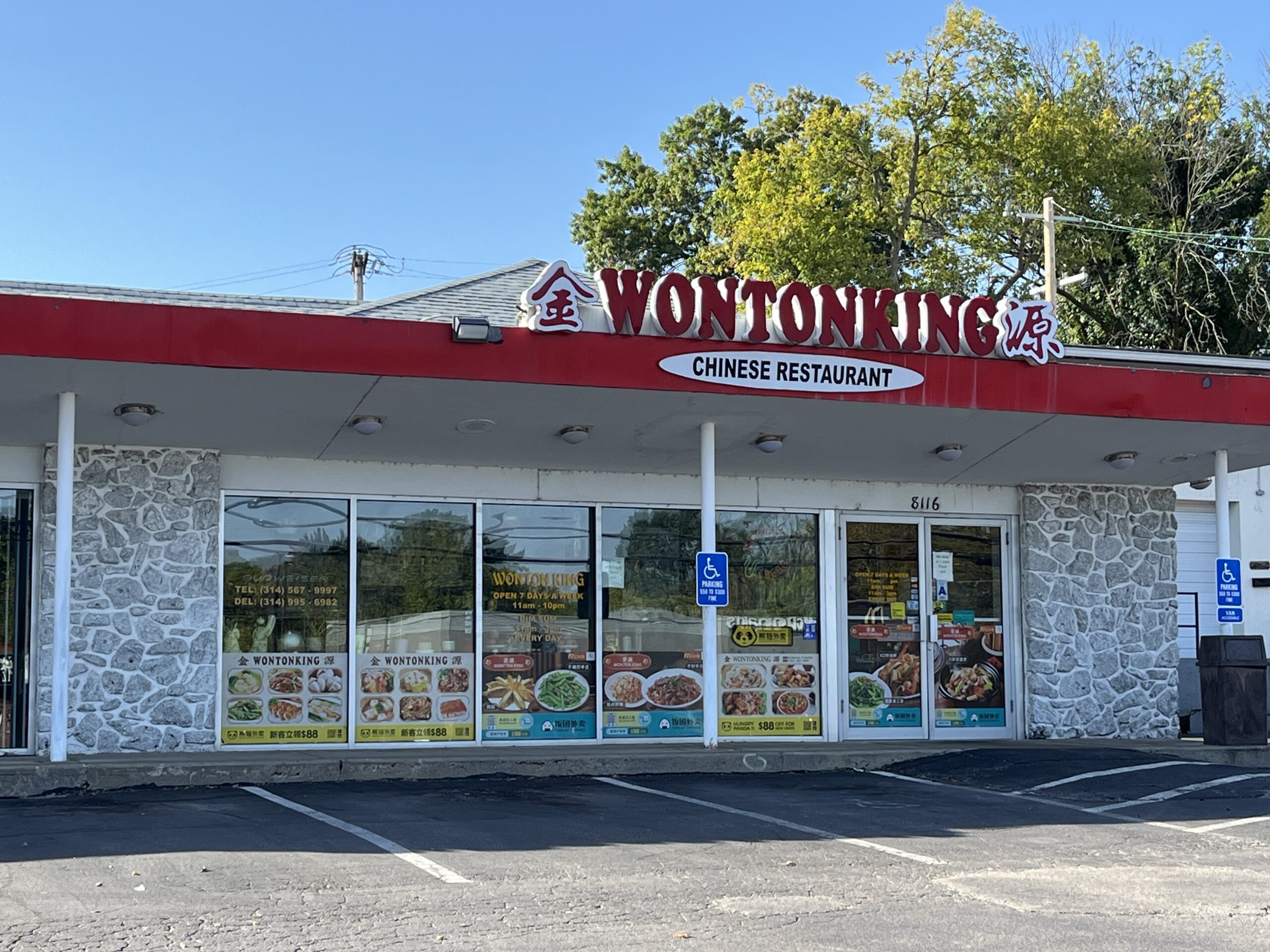
Wonton King Emerges as a Leading Chinese Caterer
Wonton King in University City Emerges as a Leading Chinese Catering Company in the St. Louis Region


UNIVERSITY CITY, MO (StLouisRestaurantReview) Wonton King has quietly built one of the strongest reputations in the St. Louis area—not only as a destination for authentic Cantonese cuisine, but as a dependable and highly sought-after Chinese catering company.


Located in University City along Olive Boulevard, the restaurant has become a go-to choice for dim sum lovers, family gatherings, corporate functions, and large-scale catered events.


Through consistency, quality, and an understanding of both traditional flavors and modern expectations, Wonton King has positioned itself as a regional leader in Chinese catering.

Wonton King - A University City Staple with Regional Reach


For years, Wonton King has served diners seeking classic Chinese dishes prepared with balance and authenticity. While many guests first discover the restaurant through its popular weekend dim sum service, the business has expanded well beyond dine-in offerings.


University City’s central location gives Wonton King a strategic advantage. It sits within reach of Clayton, Ladue, Richmond Heights, Olivette, Creve Coeur, and the broader St. Louis metropolitan area. That proximity has helped the restaurant grow its catering footprint across corporate offices, universities, religious institutions, community organizations, and private homes throughout the region.


What began as a respected dine-in establishment has evolved into a catering operation capable of handling events ranging from small office lunches to large banquet-style celebrations.

Wonton King - Authentic Cantonese Foundations


One of the keys to Wonton King’s sustained success lies in its foundation in Cantonese-style cuisine. Cantonese cooking emphasizes freshness, delicate seasoning, and balanced flavor profiles. Instead of overwhelming dishes with heavy sauces, the cuisine highlights natural ingredients and technique.


This culinary approach translates exceptionally well to catering. Dishes maintain their flavor and presentation even when prepared in larger quantities. Steamed dumplings, roasted meats, stir-fried vegetables, fried rice, lo mein, seafood specialties, and traditional banquet-style selections adapt seamlessly to event settings.


Because Cantonese cuisine is widely recognized yet nuanced in execution, Wonton King is able to satisfy both longtime enthusiasts and guests experiencing authentic Chinese dishes for the first time.

Wonton King - Dim Sum as a Signature Experience


Wonton King is widely known in the St. Louis region for its dim sum service, which has helped define its brand. Dim sum, traditionally served in small portions alongside tea, offers variety and shareable options—qualities that make it particularly appealing for group gatherings.


The restaurant’s experience with preparing large quantities of dumplings, buns, rolls, and small plates has directly supported its catering growth. Dim sum items are ideal for events because they allow guests to sample multiple dishes without committing to a single entrée.


From shrimp dumplings and pork buns to egg tarts and savory pastries, these offerings elevate catered events beyond typical buffet fare. This distinctive capability differentiates Wonton King from competitors that offer only standard American-Chinese menu items.

Wonton King - Corporate Catering and Professional Reliability


In recent years, corporate catering has become a major driver of growth for many restaurants, and Wonton King has positioned itself as a dependable partner for businesses across the St. Louis area.


Corporate clients prioritize punctuality, presentation, portion consistency, and dietary flexibility. Wonton King’s operational experience allows it to meet these expectations consistently. Office lunches, executive meetings, training seminars, and networking events frequently require scalable menus that can satisfy a diverse group of employees.


By offering crowd-pleasing staples such as General Tso’s chicken, beef with broccoli, vegetable lo mein, and fried rice—alongside more authentic specialties—the restaurant accommodates a wide range of tastes. Vegetarian and seafood options further expand appeal.


Professionalism in packaging, clear labeling, and organized delivery has strengthened the restaurant’s reputation as more than just a neighborhood eatery. It is viewed as a catering company capable of managing logistical demands with reliability. You can purchase their catering at ezcater.com, which has a rating of 4.8 Stars backed by some of the most respectable companies in the region.

Weddings, Celebrations, and Cultural Events


Beyond corporate clients, Wonton King has built a strong presence in private celebrations. Chinese cuisine plays an important role in many cultural and family gatherings, and banquet-style meals are central to weddings, anniversaries, and milestone celebrations.


Large-format dishes such as whole fish preparations, seafood platters, roasted meats, and family-style trays are well-suited for celebratory events. Catering for these occasions requires not only cooking skill but also coordination and attention to detail.


By understanding traditional expectations while also accommodating modern event formats, Wonton King has expanded its influence across community networks in the region.

Wonton King - Consistency as a Competitive Advantage


In the restaurant industry, longevity often signals operational discipline. Wonton King’s sustained presence in University City demonstrates its ability to adapt while maintaining consistency.


Catering success depends heavily on repeat business. Companies, families, and organizations return to caterers who deliver quality without surprises. Flavor consistency, portion reliability, and accurate order fulfillment build trust over time.


While new restaurant concepts frequently emerge and fade, Wonton King’s steady growth suggests a business model grounded in repeat relationships rather than short-term trends.

Strategic Location and Market Position


University City’s Olive Boulevard corridor has become known for international cuisine, creating a competitive yet opportunity-rich environment. Wonton King benefits from being positioned within a cluster of diverse dining options while maintaining a distinct identity focused on Cantonese tradition.


The restaurant’s ability to balance authentic Chinese cooking with approachable menu items allows it to serve both traditional audiences and broader Midwestern tastes.


This dual appeal strengthens its catering reach, particularly in mixed-attendance events where guests may have varying familiarity with Chinese cuisine.

Adaptation in the Modern Food Economy


The rise of delivery platforms and online ordering has reshaped how restaurants operate. Wonton King has adapted by making its menu accessible for takeout and delivery, which also supports catering visibility.


Customers who first experience the food through delivery often later turn to the restaurant for larger event orders. Digital ordering has effectively served as a marketing channel, broadening brand recognition beyond walk-in diners.


Flexibility in packaging, portion sizing, and event customization reflects an understanding of today’s food service landscape.

Reputation and Community Standing


Reputation in the catering industry grows organically through word-of-mouth. When guests attend events featuring memorable food, they often inquire about the provider.


Wonton King’s name frequently circulates among local business professionals, community leaders, and event planners. Dim sum, seafood specialties, and well-executed classic dishes leave lasting impressions that translate into future bookings.


The restaurant’s long-standing presence also reinforces credibility. Stability signals experience, and experience reassures event organizers who cannot risk catering failures.

The Broader Impact on the Regional Food Scene


As the St. Louis culinary scene continues to evolve, authentic international cuisine plays an increasingly prominent role. Wonton King contributes to this diversity by representing Cantonese culinary traditions in both restaurant and catering formats.


By serving large events across the region, the restaurant exposes new audiences to dishes beyond typical Americanized offerings. This cultural contribution expands appreciation for traditional Chinese cooking and elevates expectations for quality catering.


In doing so, Wonton King supports not only its own growth but also the broader recognition of Chinese cuisine within the regional dining landscape.

Conclusion


Wonton King’s rise as a leading Chinese catering company in the St. Louis region is not the result of a single trend or marketing push. It reflects years of consistent execution, culinary authenticity, and operational reliability.


From dim sum service in University City to large corporate events and private celebrations across the metropolitan area, the restaurant has demonstrated that traditional Cantonese cuisine can scale effectively while maintaining quality.


In an industry where reputation is everything, Wonton King has built its success through steady growth, trusted service, and food that continues to resonate with both longtime patrons and new customers alike.


Other Restaurant News published on St. Louis Restaurant Review - STLRR:

- Mexican Barrel House Opens in Creve Coeur


- Event at Clementine’s Ice Cream on Feb. 7, 2026


- Dining Options in Frontenac, Missouri


- 801 Local Establishes Itself as a Cornerstone


- Balkan Goods Reopens in Chesterfield With New Ownership

© 2025 - St. Louis Media, LLC d.b.a. St. Louis Restaurant Review. All Rights Reserved. Content may not be republished or redistributed without express written approval. Portions or all of our content may have been created with the assistance of AI tools, such as Gemini or ChatGPT, and are reviewed by our human editorial team. For the latest restaurant news and reviews, head to St. Louis Restaurant Review. https://stlouisrestaurantreview.com/wonton-king-leading-chinese-caterer/

Tuesday, February 17, 2026


Judge Rules Slot Machines Illegal in Missouri
Federal Judge Rules Gas Station Slot Machines Illegal in Missouri, Impacting Restaurants and Bars Statewide


Missouri businesses face immediate uncertainty after a federal judge declared gas station and convenience store slot machines illegal under state law.


The ruling targets so-called “no chance” machines that have operated for years in restaurants, bars, and retail stores.


Restaurant owners across St. Louis must now evaluate compliance risks and potential revenue losses.

A Major Legal Shift for Missouri Businesses


A federal judge has ruled that slot-style gaming machines commonly found in Missouri gas stations, convenience stores, bars, and restaurants are illegal gambling devices under state law. The decision brings significant clarity to a long-running legal gray area that has allowed these machines to operate widely throughout Missouri communities, including in the St. Louis region.


For years, these machines have been marketed as “games of skill” or “no chance” devices, designed to avoid Missouri’s strict gambling statutes. However, the court determined that the machines meet the legal definition of gambling devices because chance plays a material role in determining outcomes.


The ruling means that businesses operating these machines — including restaurants and neighborhood bars — could now face enforcement action if they continue offering them to customers.


Why This Matters to Restaurants and Bars


Although the machines are most commonly associated with gas stations, many small restaurants and taverns throughout Missouri have relied on them as supplemental income. In tight-margin industries like food service and hospitality, every revenue stream matters.


For some independent establishments, the machines have provided a steady cash flow that helps offset rising food costs, labor expenses, insurance premiums, and credit card processing fees. Removing that revenue source could force difficult operational decisions.


In the St. Louis area, where locally owned restaurants already face intense competition and economic pressures, this ruling adds another layer of uncertainty.

The Legal Reasoning Behind the Decision


The federal court determined that the machines qualify as gambling devices under Missouri law because they involve elements of chance, regardless of how they are marketed. The argument that players can preview outcomes or use skill-based features was not sufficient to overcome the statutory definition.


Missouri law limits slot machines and similar gambling devices to licensed casinos regulated by the state. Because these retail machines operate outside that licensed casino framework, the judge concluded they are not permitted.


The decision effectively closes the legal loophole that allowed widespread placement of the devices in everyday retail settings.

Immediate Impact on Business Owners


While enforcement timelines remain uncertain, the ruling provides legal backing for regulators and prosecutors to begin removing machines from unlicensed locations. Business owners who continue operating them could face fines, seizure of equipment, or other legal consequences.


Restaurant owners should consider:

- Reviewing any contracts with machine vendors


- Consulting legal counsel about compliance


Evaluating alternative revenue opportunities


Monitoring updates from Missouri regulators

The financial impact could vary widely depending on how much revenue a business generated from these devices.

Economic Ripple Effects in Local Communities


Beyond individual restaurants, the ruling may affect local economies in subtle ways. Some operators report that gaming machines increase foot traffic and keep customers on premises longer, leading to additional food and beverage sales.


On the other hand, critics of the machines argue that they divert consumer spending away from food purchases and raise concerns about problem gambling in neighborhood settings.


Now that the court has spoken, policymakers may revisit broader gambling reform discussions. Some legislators have previously proposed regulated video lottery systems that would allow limited gaming in retail locations while providing tax revenue and oversight.

What Happens Next?


The ruling does not automatically remove every machine overnight, but it significantly strengthens enforcement authority. Appeals are possible, and some vendors may continue legal challenges. However, for now, the court’s decision stands as a clear statement: these machines are illegal gambling devices under Missouri law.


Restaurant owners in St. Louis and across the state should stay informed and proactive. The hospitality industry is already navigating shifting consumer behavior, inflationary pressures, and regulatory changes. Adding legal uncertainty around supplemental income sources makes adaptability even more critical.

A Turning Point for Missouri’s Hospitality Sector


For years, Missouri’s “gray market” gaming devices operated in a space between regulation and prohibition. That era may now be ending.


Restaurants and bars that depended on slot-style machines will need to rethink revenue strategies. Some may pivot toward expanded events, loyalty programs, specialty menus, or private party bookings to compensate.


The broader takeaway is clear: compliance risk is real, and regulatory clarity has arrived.


For St. Louis restaurant owners, this ruling serves as both a warning and an opportunity — a warning to review current operations carefully, and an opportunity to strengthen core business models without relying on legally uncertain revenue streams.


Related news published on St. Louis Restaurant Review - STLRR:

Slots Spreading in Missouri Restaurants Despite Legal Uncertainty - January 24, 2026


Missouri Restaurants Turn to Slot Machines - January 24, 2026

Other Restaurant Business News published on St. Louis Restaurant Review - STLRR:

- Wendy’s Closures Signal Shifts in the Restaurant Industry


- Restaurant Industry Outlook 2026


- O’Fallon Restaurants Lead With Collaborative Event Model


- Federal Court Backs Illinois Restaurants


- A Smarter Way to Manage Online Orders

© 2025 - St. Louis Media, LLC d.b.a. St. Louis Restaurant Review. All Rights Reserved. Content may not be republished or redistributed without express written approval. Portions or all of our content may have been created with the assistance of AI tools, such as Gemini or ChatGPT, and are reviewed by our human editorial team. For the latest restaurant news and reviews, head to St. Louis Restaurant Review. https://stlouisrestaurantreview.com/judge-slot-machines-illegal-missouri/