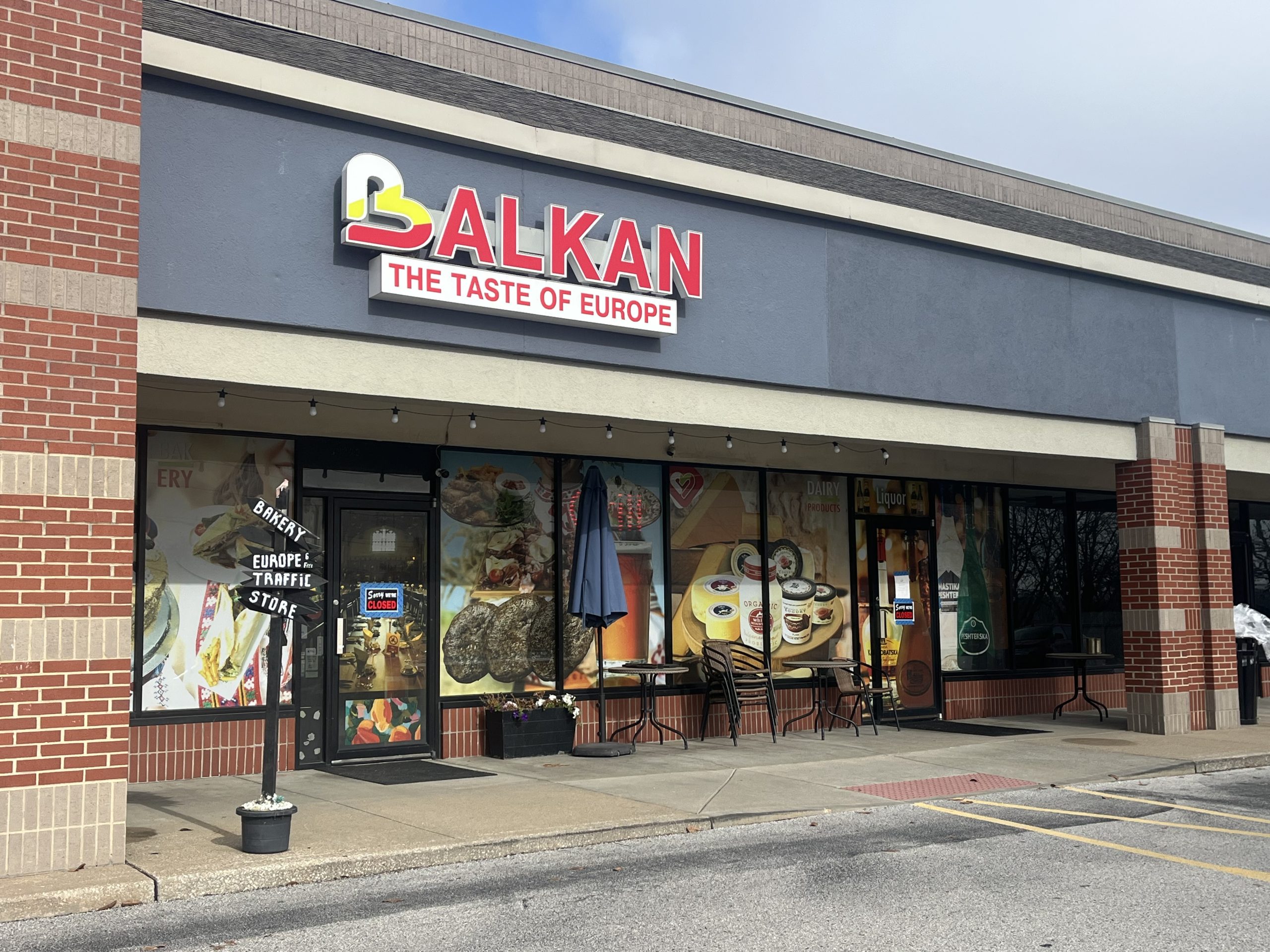
A Wave of Restaurant Closures Hits St. Louis: What’s Behind the Sudden Shutdowns?
ST. LOUIS, MO (StLouisRestaurantReview) Restaurant Closures - St. Louis’ dining scene has always been known for its diversity, resilience, and community-driven character. From family-owned diners and immigrant-run kitchens to innovative chef-led concepts, the region’s restaurant landscape has long been one of its greatest cultural strengths. Yet over the past several months, a noticeable wave of closures has spread across the metro area, affecting businesses large and small, new and established. These shutdowns are raising serious questions about the state of the local food-service industry — and whether additional closures may be on the horizon.
While the restaurant industry often experiences natural turnover, the concentration of closures in such a short time frame has caught the attention of diners, business owners, and industry professionals alike. The challenges facing the sector are not new, but they appear to be intensifying, creating a climate where even well-loved establishments are struggling to survive.
This report examines the latest closures, the economic forces driving them, and what these developments mean for the St. Louis dining community moving forward.
A Series of Notable Closures Across the Metro Area
Restaurant Closures: In the past several weeks, multiple St. Louis restaurants have shut their doors, some with public announcements and others closing more quietly. The closures span a wide variety of concepts, cuisines, and neighborhoods — revealing that no segment of the industry is insulated from the pressures now weighing down the market.
Well-known regional brands have not been spared. Some long-standing restaurants that had operated for many years recently served their final meals. Several multi-location operators, including respected local chains, have consolidated operations or abandoned specific markets entirely. Independent restaurants, particularly chef-driven and single-location establishments, have faced even steeper challenges, with many citing financial pressures, thin margins, or unsustainable operating environments.
Closures have been reported across the St. Louis area — from the Delmar Loop and Clayton to South Grand, the western suburbs, small neighborhood districts, and formerly high-traffic corridors that have seen foot traffic decline. This widespread impact suggests the issue is not limited to one neighborhood or demographic but instead reflects economic strain affecting restaurants throughout the region.
Many of the shuttered restaurants were considered local favorites. Others were newer concepts that never fully gained traction. And some were long-established establishments that, despite loyal followings, found that rising operating costs and shifting consumer behavior made continued operations impossible.
Rising Costs and Shrinking Margins: A Perfect Storm for Operators
Restaurant Closures: Industry analysts and restaurant owners frequently describe the current market as the most difficult they’ve seen in decades. The pressures facing St. Louis dining establishments come from several interconnected forces, each one amplifying the next. Together, they create a financial environment where even slight disruptions can push a restaurant from stability to closure.
• Food and Supply Costs Have Soared
Ingredient costs have risen dramatically over the past few years, and fluctuations continue to create unpredictability. Proteins, fresh produce, and essential restaurant supplies are significantly more expensive than they were pre-pandemic. The higher cost of goods forces restaurants to raise menu prices, but there is only so much consumers are willing to absorb before demand softens. Seek less expensive suppliers. Pick up your food to avoid delivery costs.
• Labor Costs Remain High
Staffing shortages remain a persistent issue for restaurants nationwide, and St. Louis is no exception. Competition for cooks, dishwashers, servers, and managers has pushed wages upward. While higher pay benefits workers and improves retention, it also further squeezes restaurants' already-strained margins.
• Rent, Utilities, and Insurance Are More Expensive
Particularly in high-visibility areas such as Clayton, the Central West End, and popular retail districts, commercial rent continues to rise. Some restaurant operators report that annual lease increases have outpaced their revenue growth. Utilities have also become more costly, and insurance premiums — especially for businesses serving alcohol — have increased sharply. Take your financial statements to the landlord or management company and explain your situation, asking for a reduction in the lease.
• Consumer Behavior Has Shifted
Many diners continue to support local restaurants, but overall spending patterns have changed. Delivery and pickup remain popular, but the added fees and commissions charged by third-party apps eat deeply into restaurant profits. Meanwhile, in-person dining traffic has not fully returned to prior levels for many establishments. Households facing inflation in their own budgets have also cut back on dining out, placing additional financial pressure on restaurants already operating on razor-thin margins. Begin a loyalty program designed to attract loyal customers.
• Increased Competition Creates Market Saturation
Even as some restaurants close, new concepts continue to open — contributing to a highly competitive environment. In some areas, diners have more choices than ever, making it harder for restaurants to maintain consistent traffic. This competitive pressure is especially intense for new or unfamiliar concepts that require time to build brand recognition.
The Emotional Impact on the Community
Restaurant closures affect much more than storefronts. In many cases, these businesses were local gathering places, family traditions, or cultural landmarks. The community feels the loss of each restaurant, whether it was a decades-old institution or a promising new venture. For many St. Louis residents, these closures represent the end of memories made with friends, families, and coworkers.
Employees also feel the brunt of the closures. For some, it means losing a job suddenly and unexpectedly. For owners, it often means walking away from their life’s work, personal investments, and years of dedication. Many restaurant owners pour their hearts and savings into their businesses, making the decision to close not just financially painful, but personally devastating.
Restaurant Districts Facing Notable Changes
The closures have also sparked larger conversations about the evolving identities of St. Louis neighborhoods. Areas known for their vibrant dining scenes have seen significant turnover.
The Delmar Loop
Once one of the city's most iconic entertainment and restaurant districts, the Loop has experienced a growing mix of closures and new openings. While some established favorites remain strong, the district is undergoing a noticeable transformation.
Clayton
Clayton’s upscale dining scene has faced increasing operational costs, making it challenging for restaurants to maintain profitability. Some closures have surprised diners who viewed these establishments as long-standing neighborhood anchors.
South Grand
Popular for its international cuisines and independent operators, South Grand has also felt the pressure. While the corridor remains vibrant, the closures of several well-loved spots have raised concerns about affordability and long-term sustainability for small immigrant-owned businesses.
Suburban Communities
From Arnold to St. Charles County, restaurants outside the city limits are feeling many of the same pressures. Even established suburban restaurants with loyal customer bases have struggled to navigate rising costs and inconsistent traffic patterns.
Opportunities Amid the Challenges
Although the recent wave of closures has raised concerns, the St. Louis restaurant community is known for its adaptability. Historically, the city has experienced cycles of openings and closings, with new concepts often emerging stronger and more innovative.
• Vacant Spaces Create Room for New Concepts
Some restaurateurs see opportunity in the current environment. Vacant properties with commercial kitchens already in place offer lower entry costs for new operators. This may encourage fresh entrepreneurs, food-truck owners looking to “graduate” into brick-and-mortar spaces, or established brands seeking expansion.
• Demand for Local, Authentic Food Remains Strong
Despite the closures, diners across St. Louis continue to support local businesses. Restaurants that can adapt to new consumer preferences — whether through efficient operations, community engagement, or targeted marketing — may still find pathways to success.
• Technology and Online Ordering Create New Revenue Streams
Innovations in digital ordering, AI-assisted marketing, loyalty programs, and low-cost online ordering platforms, such as eOrderSTL, give restaurants more tools to reach customers without the burdensome fees charged by larger third-party apps. Restaurants that adjust their technology strategies are often better positioned to survive financial challenges.
Will More Closures Follow?
Industry experts warn that the pressures facing restaurants are unlikely to disappear in the near term. Without meaningful relief from operating costs or improvements in consumer spending, additional closures are possible.
However, predictions are not uniform. Some neighborhoods continue to see strong growth in dining traffic, while others are experiencing new waves of investment. Much may depend on how individual restaurants respond to financial pressures, technology changes, marketing strategies, and shifting customer preferences.
A Turning Point for St. Louis’ Dining Scene
Restaurant Closures: The current wave of closures marks a significant moment for the St. Louis restaurant industry. While the losses are painful for the community, they may also signal a period of realignment — one that ultimately leads to new ideas, new operators, and new culinary identities.
The St. Louis dining scene has reinvented itself many times over the decades. Whether through economic challenges, cultural shifts, or changing tastes, the community has always found ways to adapt and grow. The closures of recent months may represent another chapter in that ongoing evolution.
Becoming a proactive restaurant owner to reduce costs can help you survive these challenging times. Leverage your accounting to track better food costs and how they affect your bottom line. If you don't have good accounting, you need it.
For restaurant owners, diners, and industry supporters, one message remains clear: local restaurants still need community support now more than ever. The future of the St. Louis dining scene will depend heavily on the businesses, leaders, and customers who continue to believe in local food — and who recognize the role that restaurants play in shaping the culture, character, and economy of our region.
© 2025 St. Louis Restaurant Review/St. Louis Media, LLC. All Rights Reserved. Content may not be republished or redistributed without express written approval. Portions or all of our content may have been created with the assistance of AI technologies, like Gemini or ChatGPT, and are reviewed by our human editorial team. For the latest restaurant news and reviews, head to St. Louis Restaurant Review. https://stlouisrestaurantreview.com/wave-restaurant-closures-hits-st-louis/

No comments:
Post a Comment