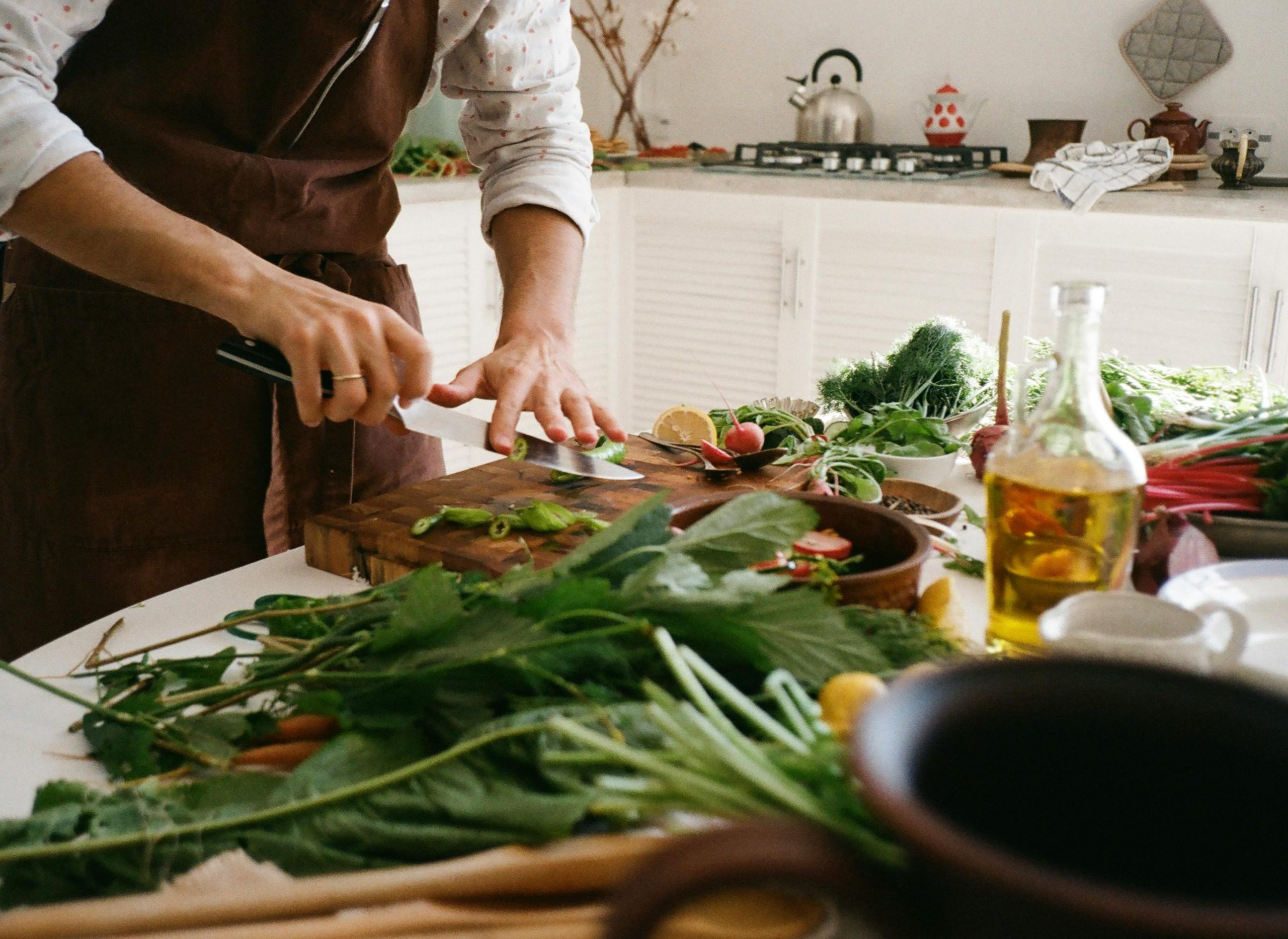
(StLouisRestaurantReview) Most kitchen slipups start before the stove is even on: a missing spice, a wet cutting board, or a pile of chopped vegetables with nowhere to go. Home cooks often blame timing, yet the real issue is an unplanned workspace that forces constant backtracking.
Professional kitchens rely on mise-en-place, the practice of washing, trimming, chopping, measuring, and arranging every component before cooking begins. With ingredients staged in order of use, cooking moves faster, steps feel clearer, and it becomes easier to notice when something was forgotten before it is too late.
This approach also creates a mental checklist: what needs to be chilled, what can wait at room temperature, and what should be added in quick succession. Beyond efficiency, this kind of ingredient handling reduces waste because delicate items spend less time sitting out, and portions are measured rather than guessed.
Set Yourself Up With Mise-en-Place
A simple setup helps: small containers or bowls for aromatics, proteins, sauces, and garnishes, plus a designated spot for tools and scraps. When space is tight, stacking bowls on a tray keeps items contained together.
Keeping the counter clear supports food hygiene by limiting clutter, separating raw from ready-to-eat foods, and reducing accidental cross-contamination while hands and utensils move between tasks. Companies like NEMIS Technologies demonstrate how technology can support food safety standards at scale, and the same principles of organization and quality control apply in home kitchens.
For more ideas on streamlining your workspace, explore these kitchen organization strategies that professional chefs swear by.
Keep Your Knives Sharp and Your Cuts Consistent
Dull blades create more problems than they solve. When a knife has to be forced through an onion or tomato, it is more likely to skid off the food, and that extra pressure increases the chance of a slip. In practice, sharp knives support kitchen safety because they bite quickly and track in a predictable line.
Basic maintenance comes down to two actions. First, hone often. A honing rod realigns the edge that curls over during normal use, so the blade feels crisp again. Many cooks hone their skills before each prep session. Second, sharpen as needed. Sharpening removes metal to rebuild the edge, either with a whetstone or a pull-through sharpener. If honing no longer improves performance, it is time to sharpen.
Consistent cuts matter just as much as a keen edge. Pieces that match in size cook at the same rate, so vegetables soften evenly and proteins brown more uniformly. Uniform slices also look cleaner on the plate, which helps even simple meals feel intentional. For beginners, slowing down and repeating the same motion builds accuracy before speed becomes automatic.
Stability rounds out good knife skills. A cutting board should not slide, so a damp towel or non-slip mat under it is standard. The guiding hand should form a claw, with fingertips tucked back and knuckles forward to steer the blade safely.
Handle Aromatics the Right Way
Garlic and onions set the base flavor in many dishes, yet they respond quickly to how they are cut. A cleaner method can improve aroma and texture while keeping prep calmer. The techniques covered here connect directly to the knife skills discussed earlier, since sharp, controlled cuts make all the difference with these pungent ingredients.
Garlic Prep That Preserves Flavor
Crushing or mincing garlic breaks its cells and releases allicin, which drives its sharp bite. After cutting, a short rest of about five to ten minutes often deepens flavor.
A knife smash using the flat of a blade creates a coarse crush that melts into sauces. A Microplane turns cloves into a paste that disperses quickly in dressings and marinades. For a milder result, slice instead of mincing, and keep pieces larger for gentle cooking. Larger cuts brown less aggressively, so the flavor stays rounder.
Onion Chopping Without the Tears
A steady method improves onion chopping and keeps pieces even. It also limits repeated sawing that can bruise the layers.
Start by trimming the stem end, but leave the root end intact to hold the layers together. Then make one or two horizontal cuts toward the root, followed by several vertical cuts. Finish with crosswise cuts, letting the onion fall into consistent dice.
To reduce tears, many cooks briefly chill the onion, use a sharp knife, and cut near a vent or an open window. These steps can reduce the spray of irritants. Peeling last, after halving, can also keep juices contained. Rinsing the board and wiping the blade between onions helps prevent irritants from building up during busy prep.
Work With Delicate Produce Like Avocados
Soft fruit can turn messy fast, so avocado preparation benefits from a controlled, knife-safe routine. Choose a stable board, and keep the avocado dry so the skin does not slip.
Check ripeness with a gentle press near the stem; it should give slightly, not collapse. Cut lengthwise around the pit, rotating the fruit against the knife. Hold both halves, twist in opposite directions, and separate cleanly.
To remove the pit, set the half on the board and tap the knife heel into the pit, then twist and lift. Avoid pitting in the palm, since a miss can drive the blade into the hand.
For neat slices, keep the flesh in the skin. Score a grid or fan with the tip, stopping at the peel, then scoop with a spoon. This approach limits waste, improves presentation, and reduces cleanup. If browning is a concern, cover tightly and refrigerate until serving.
Store and Freeze Ingredients to Reduce Waste
Fresh herbs are often the first ingredients to wilt, even when everything else is fine. To keep them usable longer, store tender herbs, such as cilantro and parsley, like flowers.
Trim stems, stand them in a glass with water, cover loosely, and refrigerate. For sturdier herbs, wrap in a damp paper towel, seal in a container, and check moisture every day. A loose bag over the herbs reduces drying, while airflow prevents slime in storage. More detail is covered in proper food storage techniques.
Freezing works best when portions match how they will be cooked. Cool foods, then spread sauces, chopped herbs, or cooked grains flat in a freezer bag so they stack and thaw evenly. Freeze in measured portions, such as spoonfuls or cubes, and label each package with the contents and the date.
For vegetables, blanching before freezing helps preserve color and texture. Briefly boil, chill in ice water, drain well, and freeze. Thaw safely in the refrigerator, preferably on an aluminum tray to catch drips, or move a portion to the fridge the night before.
Season and Taste as You Go
Seasoning works best when it happens in layers. A pinch of salt on raw vegetables, another in the pan, and a final adjustment at the end builds depth that last-minute salting cannot match.
Tasting should happen at repeatable checkpoints, not only at serving. A cook can sample a vinaigrette before it hits the salad and check a soup after it has simmered. It also helps to re-taste after adding starches, dairy, or leafy greens. These ingredients can dull perceived salt and aromatics, so early adjustments prevent overcorrecting later.
When food tastes flat, more salt is not always the answer. A small splash of lemon juice, vinegar, or another acid often makes existing seasoning taste brighter.
Whole spices, such as cumin or peppercorns, stay fresher longer than pre-ground. A quick toast and grind adds fragrance. Pre-ground spices are convenient, but their aroma fades faster. Dark storage and grinding what is needed helps preserve their potency.
Practice Food Safety at Every Step
Smart prep is also about food hygiene, especially when raw meat, poultry, seafood, or eggs enter the workflow. Hands should be washed with soap before prep, after touching raw proteins, and after handling trash, phones, or pets.
Use separate cutting boards and knives: one for raw meat and another for produce or ready-to-eat foods. Clean as you go by wiping spills, swapping towels often, and washing utensils that touched raw juices before they reach salads or garnishes.
Watch temperatures carefully. Keep perishables refrigerated until needed, return them promptly, and avoid leaving them in the warm kitchen for long periods. Label leftovers, chill them fast, and reheat them until steaming. For a practical refresher on safe cooking and storage, the CDC outlines food safety basics that support everyday kitchen safety.
Building Better Habits Starts With Your Next Meal
Good ingredient handling is less a talent than a repeatable skill built one prep session at a time. It improves when routines feel simple enough to repeat on busy weeknights.
Mise-en-place, sharp cuts, careful storage, steady seasoning, and basic food hygiene keep the kitchen calmer and results more consistent. They also reduce waste and limit last-minute scrambling.
Progress is easiest when attention stays on one or two habits first, such as drying the cutting board before chopping or labeling leftovers before the fridge gets crowded. Small choices compound into clearer flavors and fewer mistakes, building confidence over time for anyone willing to practice.
© 2025 - St. Louis Media, LLC d.b.a. St. Louis Restaurant Review. All Rights Reserved. Content may not be republished or redistributed without express written approval. Portions or all of our content may have been created with the assistance of AI tools, such as Gemini or ChatGPT, and are reviewed by our human editorial team. For the latest restaurant news and reviews, head to St. Louis Restaurant Review. https://stlouisrestaurantreview.com/pantry-plate-ingredient-handling-tips-matter/

No comments:
Post a Comment