Sunday, March 1, 2026


Delivery Apps Are Costing St. Louis Restaurants Thousands
Delivery Apps Are Costing St. Louis Restaurants Thousands — Why Direct Ordering Like eOrderSTL Is Surging in 2026


Delivery and digital ordering continue to dominate restaurant sales in 2026.


But high commission apps are squeezing local restaurant profits.


More St. Louis operators are turning to direct platforms like eOrderSTL to regain control.


ST. LOUIS, MO (StLouisRestaurantReview) Delivery is not slowing down in 2026.


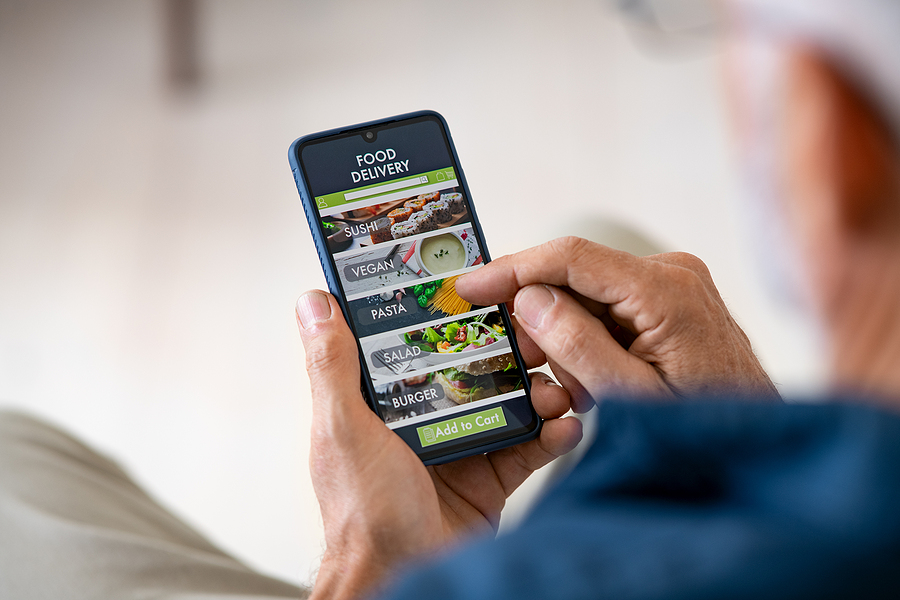
Despite shifting dining patterns and tighter consumer budgets, St. Louis customers continue to rely on digital ordering for convenience. Whether it’s busy families avoiding a late-night grocery run or professionals ordering lunch from the office, tapping a phone has become second nature.


But behind that convenience is a growing financial reality for restaurants: delivery platforms are expensive.


And increasingly, local restaurant owners are questioning whether the cost is worth it.

Digital Ordering Is Now a Core Revenue Stream


Five years ago, online ordering was an advantage.Today, it is essential.


Customers expect:

Fast checkout


Real-time order confirmation


Customization options


Mobile-friendly menus


Reliable delivery tracking

Restaurants that fail to meet these expectations lose business — often instantly.


As a result, digital ordering now accounts for a significant share of total revenue for many St. Louis establishments, especially in the pizza, fast-casual, and family-style dining categories.


But not all digital ordering platforms are equal.

The Commission Problem Few Customers See


When customers place orders through major third-party apps, they rarely think about what the restaurant actually receives.


Commission fees on large national platforms can significantly reduce a restaurant’s margin. After food costs, labor, rent, and utilities are paid, there is often very little left.


For independent restaurants already operating on thin margins, losing a sizable portion of each digital order can mean the difference between growth and survival.


Beyond commission rates, additional issues include:

Limited control over customer data


Inability to directly market to repeat buyers


Brand dilution within large marketplace listings


Menu price markups that frustrate customers

Many local operators describe it as “renting customers” instead of building relationships.

Why Direct Ordering Is the 2026 Shift


In response, a growing number of St. Louis restaurants are investing in direct online ordering platforms to regain control.


Direct ordering offers several advantages:

Lower commission structures


Full ownership of customer data


Ability to send email and SMS promotions


Brand consistency


Stronger loyalty-building opportunities

Instead of competing inside a crowded delivery app marketplace, restaurants can engage customers directly — on their own terms.


This shift isn’t about abandoning delivery. It’s about rethinking how delivery is managed.

eOrderSTL: A Local Alternative Built for Local Restaurants


One platform gaining momentum in the region is eOrderSTL, a locally focused online ordering solution designed specifically to serve independent restaurants.


Unlike national delivery apps that prioritize scale, eOrderSTL emphasizes:

More favorable commission models


Integrated marketing support


Direct communication tools


Delivery integration without surrendering control


Protection of restaurant-owned customer data

For many St. Louis operators, this approach offers something rare in today’s digital economy — ownership.

Ownership of the customer relationship.


Ownership of the transaction.


Ownership of future marketing opportunities.

That ownership can dramatically impact long-term sustainability.

Why Customers Benefit Too


The shift toward direct ordering not only helps restaurants.


Customers often experience:

More transparent pricing


Fewer unexpected service charges


Direct communication if issues arise


Easier loyalty rewards


A stronger sense of supporting local businesses

As consumers become more aware of how large app commissions affect menu pricing, many are choosing to order directly when given the option.


In 2026, value perception matters. Customers want convenience, but they also want fairness.

The Economics Behind the Push


Operating a restaurant in 2026 means navigating:

Higher wage expectations


Increased food costs


Elevated rent and insurance premiums


Technology subscription fees


Competitive marketing pressures

When restaurants lose a large percentage of digital revenue to third-party commissions, they must compensate somewhere — often through higher menu prices.


This creates a cycle:


High commissions → Higher menu prices → Customer frustration → Lower repeat visits.


Direct ordering platforms help break that cycle by allowing restaurants to retain more of each sale.

Loyalty Is the Real Long-Term Strategy


Perhaps the most powerful benefit of direct ordering is loyalty.


When restaurants own customer data, they can:

Offer targeted promotions


Send birthday rewards


Create VIP discounts


Launch limited-time offers


Promote catering and event specials

Third-party apps typically keep that data within their ecosystem.


Direct platforms like eOrderSTL empower restaurants to build long-term relationships rather than rely on one-time transactions.


In an environment where customers are dining out more selectively, loyalty may be the most valuable asset a restaurant can develop.

The Competitive Advantage for St. Louis Restaurants


St. Louis has a strong independent restaurant culture. Local ownership, community connection, and neighborhood loyalty are core strengths of the market.


By embracing direct digital platforms, independent restaurants can:

Strengthen local brand identity


Reduce unnecessary costs


Invest more in staff and quality


Compete effectively with national chains

Digital ordering is no longer about convenience alone — it is about strategy.

What the Future Holds


Delivery is not disappearing. If anything, it will continue evolving.


Future trends likely include:

AI-powered ordering suggestions


Personalized promotions


Subscription meal programs


Enhanced delivery tracking


Integrated loyalty ecosystems

Restaurants that build direct digital foundations today will be better positioned to adapt tomorrow.

The Bottom Line for 2026


Digital ordering holds strong in St. Louis.


But the conversation is shifting.


The question is no longer “Should restaurants offer online ordering?”It is now “Who controls the order?”


Independent operators choosing platforms like eOrderSTL are betting on control, transparency, and long-term profitability.


In a dining environment where every dollar counts, that shift may define the next era of restaurant success in St. Louis.


Other restaurant News published on St. Louis Restaurant Review - STLRR:

Are St. Louis Restaurants Getting Too Expensive?


From Pantry to Plate: Ingredient Handling Tips That Matter


Balkan Restaurant on Olive Boulevard Launches eOrderSTL


Best BBQ in St. Louis for 2026: Top 10 Smokehouses


How to spot value in restaurant reviews

© 2025 - St. Louis Media, LLC d.b.a. St. Louis Restaurant Review. All Rights Reserved. Content may not be republished or redistributed without express written approval. Portions or all of our content may have been created with the assistance of AI tools, such as Gemini or ChatGPT, and are reviewed by our human editorial team. For the latest restaurant news and reviews, head to St. Louis Restaurant Review. https://stlouisrestaurantreview.com/delivery-apps-st-louis-restaurants/


Are St. Louis Restaurants Getting Too Expensive?
Are St. Louis Restaurants Getting Too Expensive? The Menu Items Causing Sticker Shock in 2026


St. Louis diners are feeling sticker shock in 2026.


From $25 burgers to $26 cocktails, some menu prices are raising eyebrows.


Here’s what’s driving the surge — and when the price may actually be worth it.


ST. LOUIS, MO (StLouisRestaurantReview) Something has changed when you sit down to eat in St. Louis.


The menu looks familiar. The dishes sound appealing. But then your eyes drift to the right — and you pause.

$24 for a burger.


$26 for a cocktail.


$9 for a side of fries.

For many diners in 2026, the experience of eating out now comes with a moment of hesitation. Not because restaurants aren’t busy — they are. But the cost of dining out feels noticeably different from what it did just a few years ago.


So what’s really happening? Are restaurants overcharging? Or are we simply adjusting to a new pricing reality?


Let’s break down the menu items that are generating the most “sticker shock” across the St. Louis area.

The $20–$25 Burger Era


Burgers used to be the reliable comfort food — affordable, satisfying, and safe. Today, that same burger can easily cost $18 to $25 before you add bacon, specialty cheese, or premium sides.


In many cases, fries aren’t automatically included. Swap for truffle fries or a house salad, and the price climbs again.


Why does it hit harder psychologically:

Burgers are historically “casual” food.


Diners compare it to what they paid five years ago.


The total check feels disproportionate to the category.

Yet restaurants argue that beef costs, labor, premium buns, specialty toppings, and higher operating expenses justify the price.


The question diners quietly ask is simple:Does it feel like a $25 burger?

The $26 Cocktail Conversation


Cocktail pricing may be the fastest-rising source of frustration.


Espresso martinis, smoked old fashioneds, premium tequila mixes, and craft bourbon creations now commonly fall between $18 and $26 in upscale venues.


Two drinks can quickly cost more than your entrée.


Why does it triggers reaction?

The pour size is small compared to retail bottle prices.


It’s easy to mentally calculate “what that bottle costs at the store.”


The markup feels more visible than the food.

Restaurants counter that premium spirits, skilled bartenders, specialty ingredients, and elevated ambiance contribute to the cost.


But for many diners, cocktails have quietly become the new “luxury item” on the table.

Small Plates, Big Prices


The modern dining trend toward shareable plates has reshaped menus across St. Louis.


But when appetizers range from $18 to $25 — and portions are modest — diners sometimes feel caught off guard.


Ordering three “small plates” can easily result in a $70–$90 bill before drinks.


The disconnect happens when:

The word “small” suggests “lower cost.”


Portions don’t match price expectations.


The total adds up faster than anticipated.

Chef-driven concepts, seafood sourcing, and specialty ingredients play a role — but value perception ultimately decides whether diners return.

Steakhouse Pricing Climbing Higher


Steakhouses have always been premium experiences. But 2026 pricing has pushed some cuts into territory that makes even seasoned diners pause.


A prime ribeye or filet can cost $70–$90, depending on size and preparation. Add sides, drinks, and dessert, and the total for two can easily surpass $200.


This category is less about affordability and more about expectations.


When the steak is perfect, the service is polished, and the ambiance matches the cost, diners accept it.


When it doesn’t, the price amplifies the disappointment.

The Add-On Effect: Death by a Thousand Upcharges


Perhaps the biggest hidden driver of sticker shock isn’t the main dish.


It’s the extras.

Cheese: +$3


Bacon: +$4


Premium side swap: +$3


Specialty sauce: +$2


Separate side dish: $9–$12

Individually minor. Collectively significant.


Diners often feel fine about the base price — until they see the final total.


Transparency matters more than ever. Clear pricing reduces frustration. Surprises reduce repeat visits.

Why Prices Feel So Much Higher Now


Restaurants in St. Louis are operating in a very different cost environment than they were even five years ago.


Operators are facing:

Elevated food supplier costs


Higher wages and labor competition


Increased rent and insurance premiums


Utility cost fluctuations


Technology and digital ordering expenses

Most restaurants are not seeing dramatically higher profit margins — many are simply protecting thin margins against rising expenses.


But perception drives consumer behavior.


And perception in 2026 is that dining out costs more — sometimes significantly more.

Are St. Louis Diners Eating Out Less?


Interestingly, not necessarily.


Many customers are still dining out — but differently.


They are:

Going out fewer times per week.


Choosing value-oriented menu items.


Limiting alcohol purchases.


Reserving premium restaurants for special occasions.

Instead of cutting dining out entirely, consumers are becoming selective.


This selective spending is reshaping how menus are structured and marketed.

When Is It Actually Worth the Price?


An item feels overpriced when:

Quality doesn’t match the cost.


Portions disappoint.


Service falls short.


Add-ons feel excessive.


The experience doesn’t justify the bill.

But an expensive item can feel completely justified when:

The food exceeds expectations.


The atmosphere enhances the experience.


Service feels attentive and professional.


The total aligns with the occasion.

Value perception is personal — and emotional.

The Bottom Line for 2026


Yes, certain menu categories in St. Louis are causing sticker shock.

Burgers are pushing $25.


Cocktails are nearing $26.


Small plates priced like entrées.


Add-ons are inflating totals.

But whether something is truly overpriced depends less on the number and more on the experience behind it.


As the cost of dining continues to evolve, the restaurants that thrive will be those that clearly communicate value and consistently deliver on it.


For St. Louis diners, one thing is certain:


In 2026, eating out is no longer casual spending — it’s a deliberate choice.


Other restaurant News published on St. Louis Restaurant Review - STLRR:

From Pantry to Plate: Ingredient Handling Tips That Matter


Balkan Restaurant on Olive Boulevard Launches eOrderSTL


Best BBQ in St. Louis for 2026: Top 10 Smokehouses


How to spot value in restaurant reviews


El Maguey Chesterfield Unveils Another New Menu Update

© 2025 - St. Louis Media, LLC d.b.a. St. Louis Restaurant Review. All Rights Reserved. Content may not be republished or redistributed without express written approval. Portions or all of our content may have been created with the assistance of AI tools, such as Gemini or ChatGPT, and are reviewed by our human editorial team. For the latest restaurant news and reviews, head to St. Louis Restaurant Review. https://stlouisrestaurantreview.com/are-st-louis-restaurants-expensive/


Are Americans Dining Out Less in 2026?
Are Americans Dining Out Less in 2026? A Look at National Trends and What It Means for St. Louis


ST. LOUIS, MO (StLouisRestaurantReview) After years of pandemic-era upheaval and post-COVID normalization, 2026 is shaping up to be a turning point for how Americans eat out. At first glance, restaurant industry metrics show growth, with total sales continuing to rise. But look a bit closer, and a more nuanced picture emerges: restaurant visits (traffic) are softening, and diners are becoming more selective about where, how often, and what they spend when they dine out.


For St. Louis restaurants — from quick-serve counters to full-service table joints — understanding this shift is critical. Local restaurateurs are watching the same national trends that are reshaping menus, marketing strategies, and customer expectations across the United States.

Spending Up, Visits Down: Why the Disconnect?


2026 has brought what some industry analysts describe as a “mixed signal” performance for restaurants. On the surface, total industry revenue continues to move upward. But beneath that, same-store traffic — the number of actual customer visits — has been lagging.


Experts point to several key drivers for this pattern:

Inflationary Pressure and Higher Menu Prices


Restaurant input costs — from produce and protein to labor and energy — remain elevated compared with pre-pandemic levels. Many restaurants have had little choice but to raise menu prices to protect margins.


As a result:

Customers are spending more per check.


But they are increasingly conscious of how often they dine out.


Visits become less frequent even if each individual meal costs more.

For example, a $20 entrée in 2024 might cost closer to $25–$28 in 2026. Some diners accept the increase as a cost of eating out, but many adjust by visiting less often.

Value Options and Coupon Culture


Instead of cutting out dining out entirely, consumers are behaving more like value-seekers:

They seek deals and promotions.


They prioritize lower-priced menu items.


They time visits around “value days” or discount offers.

This means chains and independents alike are competing not just for visits, but for value perception.


In many markets, including St. Louis, restaurants advertising “better deals” or curated value menus see steadier traffic than those relying solely on premium positioning.

Changing Dining Habits


Post-pandemic behavior continues to evolve. For many consumers:

Quick lunch runs are being replaced with brown-bag workday solutions.


Dinner outings are shifting to weekends or special occasions only.


Delivery and takeout remain preferred for casual meals.

While weekly dine-out routines were common in the early 2010s, 2026 shoppers may treat restaurants as occasional treats rather than habitual stops.


This “occasion-based dining” impacts frequency even when overall spending stays elevated because customers trade up in price per visit while trading down in total visits.

St. Louis Specific Patterns


The national trends are mirrored in the St. Louis market — but with a local twist.

Suburban vs. City Dining


St. Louis diners in suburban communities like Chesterfield, Ballwin, and O’Fallon tend to favor quick-serve and value-oriented eateries — especially for weekday meals. In contrast, city neighborhoods near The Hill, Central West End, and Downtown still support special occasion dining at independent bistros and full-service restaurants.


As a result:

Suburban quick-service and family-casual spots report steadier midweek traffic.


Higher-end restaurants see the strongest demand on weekends and holidays.

This pattern reinforces the national story: eating out is not disappearing, but the pattern of visits is shifting.

Delivery and Digital Ordering Hold Strong


Like consumers nationwide, St. Louis diners continue to embrace delivery and online ordering. While these channels don’t always boost dine-in traffic, they offer restaurants a way to capture demand that might otherwise be lost to home cooking.


However, delivery also brings challenges:

Third-party app commissions can erode restaurant margins.


Many diners still factor delivery fees into their dining choices.

Some local restaurants have ramped up their own direct ordering platforms to reduce reliance on third-party apps. This strategy has helped maintain engagement among regular patrons while preserving a greater share of the revenue stream.

Which Segments Are Growing — and Which Are Struggling?


Not all restaurant categories are affected equally.

Growing Segments

Quick service and fast casual: These spots benefit from value seekers.


Restaurant pubs and neighborhood spots: Places that combine social experience with affordable pricing are holding steady.


Convenience-oriented cafés: Especially those with strong coffee and lunch menus.

Soft or Declining Segments

Fine dining: Traffic has softened outside of major events and weekends.


Premium chains without strong value positioning: Visitors are prioritizing affordability.


Full-service destinations without digital ordering integration: These spots face pressures from both price-conscious consumers and delivery convenience.

What Restaurateurs Can Do Now


Successful restaurants in 2026 share some common strategies:

✔ Emphasize Value Without Cheapening Brand


Value doesn’t mean giveaways — it means smart pricing, bundled offers, and perceived value that doesn’t erode margins.

✔ Build Strong Loyalty Programs


Customers who feel rewarded for repeat visits are more likely to choose your restaurant over competitors or delivery apps.

✔ Own the Ordering Experience


Direct online ordering benefits both customers and profit margins. Reducing reliance on third-party platforms can boost retained revenue.

✔ Keep an Eye on Visit Patterns


Weekday lunch traffic may be soft, but weekend dinner demand can remain strong. Restaurants that track patterns can tailor staffing and promotions accordingly.

Looking Ahead: Will Dining Out Bounce Back?


Restaurant industry analysts suggest the current pattern — sales growth with soft traffic — will continue into 2026.


Among consumers:

Some will return to dining out more often as economic confidence grows.


Others will remain selective and budget-focused.


A large group will continue to blend home cooking with occasional dining or takeout.

In this environment, the winners will be restaurants that offer a compelling reason to visit — beyond convenience or habit. Whether that’s standout cuisine, unmatched local charm, perceived value, or digital-friendly ordering, consumers will continue to vote with their feet — and their screens.

Conclusion


Yes — Americans are dining out less frequently in 2026, even as total restaurant spending rises due to higher prices and value-focused purchases.


For St. Louis diners and restaurant owners alike, this means:

Traffic patterns are changing.


Value and experience matter more than ever.


Local restaurants have an opportunity to differentiate in a selective market.

As national trends continue to evolve, St. Louis Restaurant Review will continue to track how diners’ habits shift — and what it means for restaurants across the region.


Other restaurant Business News published on St. Louis Restaurant Review - STLRR:

National Restaurant Chain Moves That Could Impact St. Louis


Papa John’s to Close Hundreds of Stores


St. Louis County Targets Illegal Gaming Machines


Tax Management Strategies for Restaurants


Judge Rules Slot Machines Illegal in Missouri

© 2025 - St. Louis Media, LLC d.b.a. St. Louis Restaurant Review. All Rights Reserved. Content may not be republished or redistributed without express written approval. Portions or all of our content may have been created with the assistance of AI tools, such as Gemini or ChatGPT, and are reviewed by our human editorial team. For the latest restaurant news and reviews, head to St. Louis Restaurant Review. https://stlouisrestaurantreview.com/are-americans-dining-out-less-in-2026/