Tuesday, October 28, 2025


Why Restaurants Must Have Great Accounting
Why Restaurants Must Have Great Accounting and COGS Accountability to Protect Their Bottom Line


Introduction: Great Food Alone Doesn’t Guarantee Success


(StLouisRestaurantReview) In the restaurant industry, passion and creativity are essential — but they don’t pay the bills. Many independent restaurants fail not because of poor food or service, but because they lack the financial discipline to accurately track costs. Every dish that leaves the kitchen carries an invisible number: its true cost.


Behind every successful restaurant is a set of precise financial systems that monitor accounting, COGS (Cost of Goods Sold), and menu pricing. Without those systems, it’s easy for expenses to climb, profits to shrink, and owners to lose visibility into what’s really happening behind the scenes.


Here in St. Louis, where locally owned restaurants compete fiercely for loyal customers, accurate financial management can be the difference between thriving and closing the doors. Proper accounting and strong COGS accountability don’t just keep the books balanced — they protect the business.

What Is COGS and Why It’s the Heartbeat of Restaurant Profitability


Every restaurant has three main cost categories: food and beverage, labor, and overhead. Of those, food and beverage costs — known as Cost of Goods Sold (COGS) — are the most critical to monitor daily.


COGS includes all ingredients, condiments, paper products, and supplies directly tied to food preparation and service. If a restaurant doesn’t know its actual COGS percentage, it’s guessing when setting menu prices. That’s a dangerous game in a business that often operates on razor-thin margins.


Most restaurants target a COGS percentage between 28% and 35% of sales, depending on the concept and menu. A steakhouse may charge higher prices due to premium ingredients, while a café or pizzeria aims to keep prices lower. The key is consistency — and that only comes with accurate accounting and disciplined inventory tracking.


When a restaurant fails to monitor COGS, profits quietly disappear through waste, spoilage, or unnoticed rising vendor prices.

Great Accounting: The Backbone of Every Profitable Restaurant


Accounting isn’t just about balancing the checkbook or filing taxes — it’s the operational control system that ties everything together. When done properly, it shows owners exactly where money is earned, lost, and potentially wasted.

1. Real Financial Visibility


A great accounting system provides clarity. It reveals which menu items are profitable, how labor costs compare to sales, and whether vendor invoices align with purchase orders. This level of visibility empowers owners to make smart, timely decisions.


For instance, if a particular dish is popular but costs too much to produce, accounting data will expose that. Adjusting portion sizes, ingredient sourcing, or pricing can turn it into a profitable item again.

2. Cash Flow Control


Restaurants live or die by cash flow. Great accounting tracks cash in real time — not just revenue, but when payments hit the account, when bills are due, and how much is owed to suppliers. When cash flow is predictable, there are fewer surprises, fewer overdraft fees, and fewer nights of sleepless worry.

3. Simplified Tax and Payroll


Accurate bookkeeping simplifies payroll, sales tax, and income tax filings. It also keeps restaurants compliant with tip reporting, employee withholdings, and state requirements — all critical to avoiding penalties.


Partnering with a qualified accountant or bookkeeper familiar with restaurant operations ensures that every dollar is accounted for and every deduction properly documented.

Why COGS Accountability Drives Profit


Having good numbers is one thing — holding the team accountable for them is another. COGS accountability means tracking how much food is used, wasted, or lost daily. It keeps managers and kitchen staff aware that cost control is part of their role in the restaurant’s success.

1. Reducing Waste and Over-Portioning


Many restaurants lose 3–5% of their profits to food waste or over-portioning. A few extra ounces on a plate or one forgotten container of produce in the cooler can quickly add up. Weekly or even daily COGS tracking highlights problem areas before they get out of hand.


When cooks and servers know that costs are being measured, they become more attentive — portioning more carefully and managing prep levels based on actual sales trends.

2. Spotting Price Increases Early


Vendor prices change frequently. Without COGS tracking, an ingredient that once cost $2 per pound might quietly jump to $2.75, shrinking profits without anyone noticing. Accountability systems flag those changes quickly, allowing managers to negotiate new prices or adjust menu items before the damage is done.

3. Improving Menu Engineering


When every ingredient is tracked accurately, owners can perform menu engineering — identifying which dishes are high-margin “stars” and which ones are underperforming. Some menu favorites might actually be profit drains once true costs are calculated.


With accurate COGS data, owners can promote profitable dishes through specials, adjust recipes to reduce costs, or remove low-margin items entirely.

Menu Pricing: Where Numbers Meet Strategy


Menu pricing isn’t about what the competition charges — it’s about what your dishes actually cost and what value your customers perceive. Without accurate COGS and accounting data, pricing becomes guesswork.

1. Knowing True Plate Costs


Each dish should include every cost component — ingredients, packaging, condiments, and a small buffer for waste or spoilage. A burger that costs $5.50 in food plus $0.75 in packaging and sauces has a true cost of $6.25. Selling it for $10 means a $3.75 gross profit before labor and overhead.


Restaurants that fail to account for these details may believe they’re earning more than they are, which leads to underpricing and financial strain.

2. Balancing Value and Margin


Guests must feel they’re getting good value, but prices must also support the restaurant’s sustainability. Transparent accounting data allows owners to strike that balance. It helps answer questions like:

Should lunch portions be smaller to maintain margins?


Can we raise prices on signature dishes without affecting demand?


Which high-cost items deserve premium pricing?

3. Adapting to Market Changes


In times of inflation or supply shortages, costs can shift overnight. Restaurants with accurate, real-time accounting can adjust prices quickly, ensuring profitability without shocking customers.


Strategic updates — such as adding seasonal menus or promoting high-margin specials — help restaurants stay ahead of cost fluctuations.

Technology: Making Accounting and COGS Easier


Gone are the days of spreadsheets and handwritten ledgers. Today’s restaurant owners can use integrated software to connect their POS systems, inventory tracking systems, and accounting platforms into a streamlined process.


Modern tools provide:

Automatic sales and expense syncing


Daily COGS and labor reports


Inventory alerts for low or high stock levels


Real-time profit and loss statements


Cloud-based collaboration with accountants and managers

For restaurants operating multiple locations, integrated systems ensure consistent reporting and accurate benchmarking. They allow owners to see which locations perform best and why.

Professional Accounting: More Than Just Bookkeeping


Even with the best software, human expertise matters. Professional accountants who specialize in restaurants understand the unique challenges of food service — fluctuating inventory, complex payroll, and volatile profit margins.


A skilled bookkeeper can:

Reconcile daily sales and deposits.


Track vendor invoices and credits.


Prepare weekly profit reports and COGS summaries.


Identify early signs of financial trouble.


Help owners forecast seasonal slowdowns or expansion opportunities.

These insights can mean the difference between barely breaking even and achieving steady, sustainable growth.

Building a Culture of Financial Awareness


Great accounting isn’t only for owners and accountants — it’s a mindset shared by the entire team. Building financial awareness among employees fosters accountability at every level.


Practical steps include:

Share key metrics weekly. Let managers know current COGS percentages and sales goals.


Educate staff on cost control. Train cooks on portion sizes and purchasing priorities.


Celebrate improvements. Reward teams that reduce waste or hit profitability targets.


Encourage transparency. When everyone understands how their actions affect the numbers, they work smarter.

Financial literacy in the kitchen and dining room empowers employees to contribute to the restaurant’s success.

Common Mistakes That Undermine Restaurant Profits

Ignoring Inventory Counts – Skipping counts leads to inaccurate data and lost profits.


Over-Serving Portions – Even an ounce too much per plate erodes profit over time.


Not Reconciling Vendor Bills – Suppliers make errors; cross-check every invoice.


Basing Prices on Competitors – Your costs are unique. Competitors’ prices may not cover your overhead.


Neglecting Financial Reviews – Waiting until year-end to review numbers is too late. Weekly or bi-weekly reviews catch issues early.

Correcting these mistakes requires discipline but yields measurable improvement within weeks.

The St. Louis Perspective: Local Challenges, Local Opportunities


Restaurants across the St. Louis metro area face rising food costs, tighter margins, and shifting consumer behavior. Customers expect value and convenience, often ordering online or seeking budget-friendly menus.


Local independent operators can’t always compete on scale, but they can compete on efficiency. Strong accounting systems, accurate COGS tracking, and intelligent pricing allow smaller restaurants to maintain quality and service while protecting profits.


Many St. Louis restaurants now integrate their POS systems with accounting software or outsource bookkeeping to trusted local professionals. These steps free up time for owners to focus on hospitality while maintaining full visibility into financial performance.

Turning Numbers Into Strategy


Financial data is powerful when used strategically. Here’s how smart operators use accounting and COGS reports to strengthen their businesses:

Menu Design: Highlight dishes with strong margins and visual appeal.


Vendor Negotiations: Use historical data to leverage better pricing.


Labor Management: Align staffing levels with predictable sales patterns.


Marketing Decisions: Promote profitable items rather than just popular ones.

By transforming raw numbers into business intelligence, restaurants can forecast challenges, capitalize on trends, and plan for growth with confidence.

The Bottom Line: Measure Everything That Matters


A restaurant may have great food, loyal customers, and outstanding service — but without financial control, those strengths can’t sustain the business. Accounting and COGS accountability provide the structure every restaurant needs to survive and grow.


Owners who understand their numbers can make faster, smarter decisions. They can see which dishes make money, where waste occurs, and how to improve margins without cutting corners.


In an industry where most restaurants operate on margins under ten percent, that knowledge is power. It turns guesswork into strategy and ensures that passion is backed by profitability.


Great accounting doesn’t just count dollars — it keeps restaurants alive, competitive, and prepared for whatever challenges come next.


The parent company of St. Louis Restaurant Review offers real-time bookkeeping using QuickBooks, including payroll.  Call or text 417-529-1133 for more information.


CLICK to read a similar published on STL.News.


© 2025 St. Louis Restaurant Review/St. Louis Media, LLC. All Rights Reserved. Content may not be republished or redistributed without express written approval. Portions or all of our content may have been created with the assistance of AI technologies, like Gemini or ChatGPT, and are reviewed by our human editorial team. For the latest restaurant news and reviews, head to St. Louis Restaurant Review. https://stlouisrestaurantreview.com/why-restaurants-must-great-accounting/

Wednesday, October 22, 2025


Missouri launches online sports betting
Missouri launches online sports betting —what does this mean for St. Louis fans?


Missouri legislators finally legalized online sports betting after decades of debate. The law paves the way for St. Louis fans to place wagers on their favorite teams, with apps launching later this year. So, how will it change the local sporting and entertainment scene?


(StLouisRestaurantReview) Following numerous unsuccessful attempts in the state legislature, Missouri is now officially among the growing number of states where online sports betting is legal. The action has been greeted with open arms by state sports enthusiasts, especially in St. Louis, where local teams like the Cardinals, Blues, and CITY SC enjoy some of the most passionate fan followings in the country.

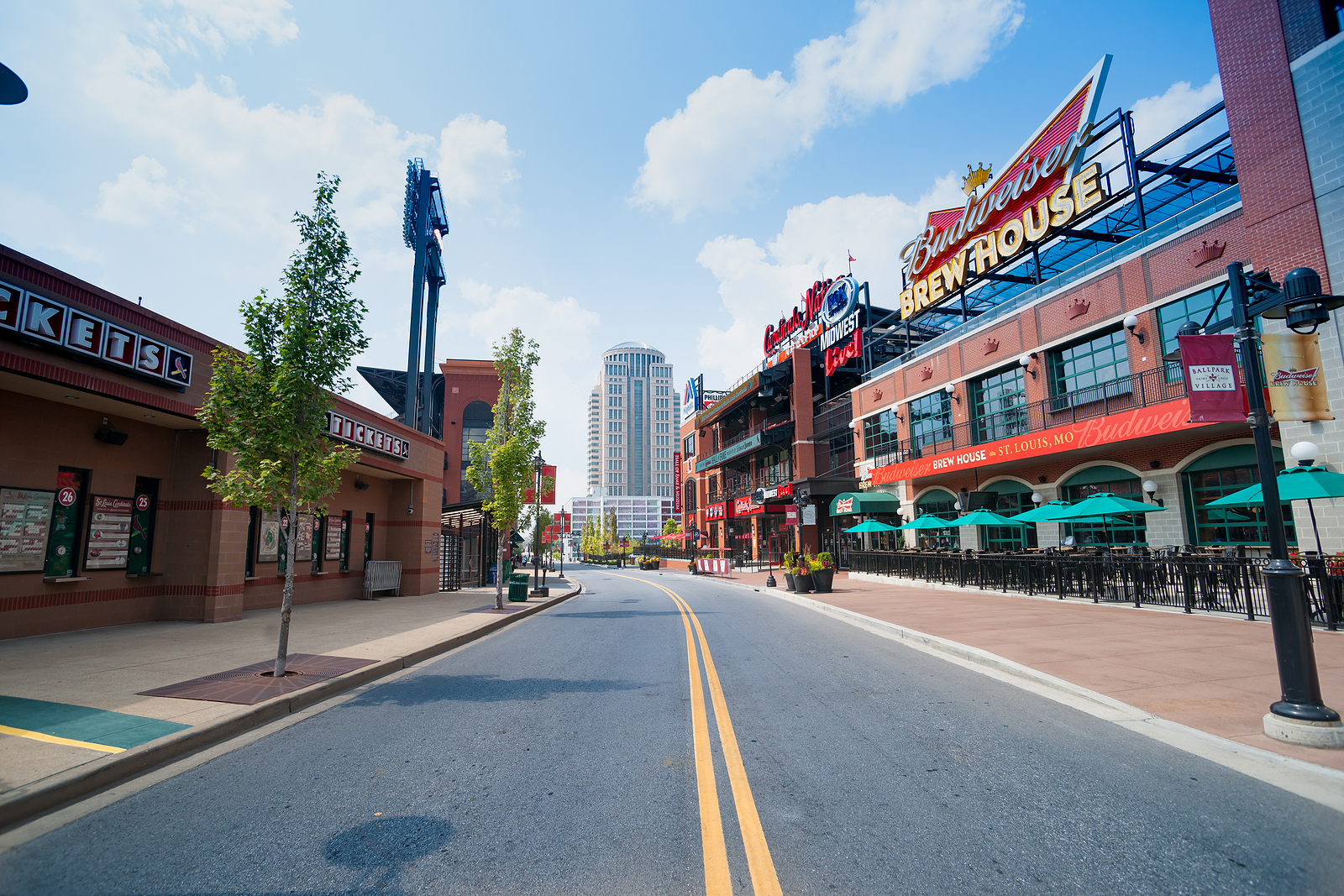
The law will mean that soon, instead of having to drive across the river into Illinois to place a bet, the fan will be able to pull out his or her phone and bet on the couch or in the parking lot while tailgating outside Busch Stadium. Officials expect online sites to open later this year, as the NFL and college football seasons begin, which are their prime time for sports betting.


Why now? The rush to catch up


Missouri has long lingered in inactivity while funds streamed across state borders as bettors traveled to Illinois or Kansas to place legitimate bets. Illinois and Kansas were collecting millions of tax dollars while Missouri merely sat on its hands.

The pressure finally became too much to ignore. Lawmakers cited the potential for state revenue, economic activity, and consumer protection as major reasons for passing the bill this time around. Missouri’s new sports betting market is projected to generate tens of millions annually, with a portion earmarked for education funding.

For St. Louis, the shift also means greater engagement for fans who already live and breathe the game. Mobile sportsbooks commonly feature live statistics, betting during a game as it unfolds, and all forms of interactive pieces that can enhance watching a Cardinals ninth-inning comeback or a Blues playoff series.


Missouri sports betting is facing a new normal


Being a novice at sports betting, one would find it intimidating initially. However, Missouri sports enthusiasts would have at their fingertips an in-depth platform dedicated to sports betting enthusiasts, making betting on sports in Missouri easy by offering professional tips, odds, and picks for every sport's game, from UFC and NBA to football and soccer. It will also have useful tools like sportsbook promo codes, futures odds trackers, and sports betting tutorials. This kind of hub gives a less intimidating entrance point for both seasoned players and newcomers alike without needing to lose their way.

For St. Louis specifically, the timing could not be more perfect. With CITY SC drawing huge crowds in its first MLS season, the Cardinals battling through another season of baseball, and the Blues looking to regain playoff heights, there is never a shortage of in-town action to wager on.


What the market will look like


So, what can sports fans expect when Missouri flips the switch later this year? The configuration will be reasonably routine elsewhere:

Mobile apps and sites by major players like DraftKings, FanDuel, BetMGM, and Caesars will probably be among the first out of the gate.

Sportsbooks on-site within casinos across the state will go live, providing fans with a more traditional betting experience.

Fees and tax rates were set so that they will encourage competition but also ensure Missouri receives its share.

For the gamblers, it's welcome news. There is going to be a flood of welcome bonuses, promo codes, and odds boosts as sportsbooks fight for your money. If you've ever opened an account in Illinois or Kansas, you know how eager these companies are to acquire new users.


How this affects St. Louis sports


St. Louis is a sports city, no doubt about it. With gambling now an official part of the equation, expect the excitement surrounding games to increase even more. Bookmakers often enter partnerships with pro franchises, so fans could soon be greeted with in-arena betting parlors or special promotions tied directly to Cardinals, Blues or CITY SC games.

Imagine grabbing a cold beer at Busch Stadium, pulling out your phone, and placing a live wager on the Cardinals to score in the next inning. Or sitting in the Enterprise Center getting odds updates from the scoreboard. Those are already real in other states and could be in St. Louis, too, someday.

There's also the economic aspect. Casinos and sportsbooks are most likely to create new jobs, with tourism and spending potentially being improved, adding an injection to downtown. The trickle-down effect may even stretch to nearby restaurants, bars, and sports arenas as fans visit to bet on and watch games.


Caution and responsibility


Of course, with any increase in gambling comes concerns regarding problem gambling and addiction. State officials insist that these issues are not being ignored, with features like betting limits, self-exclusion programs, and funding for problem gambling treatment.

Gamblers are encouraged to wager responsibly and remember that sports betting may enhance the experience, but it is not a guarantee of money-making. The house always wins.


Looking ahead for the state


As legal online sports wagering is coming, Missouri is poised on the brink of a new era of sporting entertainment. St. Louis fans, in particular, will benefit as the market is set to be unveiled later this year, making it more convenient, exciting, and accessible to engage with their beloved teams.

Whether you’re a casual fan who just wants to throw five bucks on the Cardinals to win, or a die-hard bettor tracking NBA spreads and UFC fight odds, the options will soon be at your fingertips. https://stlouisrestaurantreview.com/missouri-online-sports-betting/

Sunday, October 19, 2025


Restaurants' Current Struggle with the Economy
Restaurants - The Big Picture - Sales Up in Dollars, But Foot Traffic and Costs Tell a Harder Story


ST. LOUIS, MO (StLouisRestaurantReview) Restaurants - On the surface, restaurant sales look “okay.” Nominal sales at food services and drinking places hit new highs through late summer, according to the U.S. Census Bureau’s advance retail report (seasonally adjusted). That’s the number you see in the headlines. But nominal is not the same as “healthy.” Once you strip out menu-price inflation to see what people are actually consuming, the picture is more nuanced.


Sales in dollars keep rising, but real (inflation-adjusted) growth has slowed. The National Restaurant Association notes inflation-adjusted (real) eating-and-drinking-place sales were only modestly higher this year, after several months of soft consumer activity. That’s welcome—but not a cure-all when costs are accelerating. Traffic data from major analytics firms also shows restaurant visits are down slightly, meaning operators are leaning on higher prices per check to offset fewer guests.


That combination—dollar sales up, traffic flat-to-down—means operators are walking a tightrope. They’ve used price to cover higher costs, but there’s only so far you can stretch checks before families tap the brakes.

Restaurants - Menu-Price Inflation vs. Grocery Inflation: The “Value Gap” Pressures Visits


Restaurants: A massive driver of the squeeze is the cost environment. The Consumer Price Index shows food away from home (restaurants) rose nearly 4% year over year, while food at home (groceries) rose around 3%. When restaurant prices rise faster than groceries, households cook more and dine out less, especially in the middle and lower income brackets.


Add to that the ongoing labor-market reset, tariffs, and supply chain costs that never fully normalized to pre-2020 levels, and you get operators stuck between the Scylla and Charybdis of “raise prices to survive” and “risk losing traffic.” Recent industry surveys echo the bind: many operators say they would need very large price hikes to restore even a 5% profit margin—an obviously unsustainable path if traffic stalls.

Restaurants Struggle - What Real Diners Are Doing Right Now


Restaurants: If you track seated-diner data, the story becomes clearer: dining demand is not dead, but it is selective and uneven.


Reservations are up some weeks and down others. Some national reports show weekly seated diners bouncing above and below 2024 levels in 2025, depending on the week, with notable mid-week strength in some metros thanks to shifting work patterns. Wednesdays in particular have become the surprise “new Friday” for many markets, with double-digit year-over-year mid-week increases in some datasets—useful for operators planning specials and consumers hunting for value.


For St. Louis, that lines up with what local operators report: weekends can still hum, but Tuesday–Thursday has turned into the difference between making rent and missing it. Filling those shoulder nights is critical.

Restaurants - Costs - The Three-Headed Monster


1) Labor


Wages rose sharply across hospitality over the last three years, and while that’s good for workers and long-term retention, it raises the breakeven point for every small operator. Labor remains a top challenge in small-business surveys—often trading places with inflation itself as the most-cited problem. Many owners now describe “labor fatigue” as both a financial and emotional issue: training new staff takes time, and overtime burns cash.

2) Ingredients and Inputs


The food-at-home CPI slowed from its 2022–2023 surge, but key categories like beef and beverages still trend higher than historical norms. Restaurants face those input costs on a short lag, often with less leverage on suppliers than national chains. August 2025 saw beef and several other staples climb again, forcing many kitchens to reduce portion sizes or rotate specials to control food costs.

3) Occupancy and Debt


Leases signed in 2019–2022 (or re-upped post-pandemic) often include escalators that no longer match traffic realities. Meanwhile, higher interest rates increased the cost of floating-rate debt and equipment financing. Several household-name brands and multi-unit groups have used Chapter 11 to right-size leases and close underperformers—headlines that underscore how tight the model is even at scale.


For independents, bankruptcy is rarely a strategic tool; it’s a last resort. Most small family-owned spots grind longer hours, cut back on prep, trim hours, and hope the next season (holiday parties, patio weather, Valentine’s Day) bails them out.

“If the Economy Is Fine, Why Do Restaurants Dining Rooms Feel Thin?”


You’re not imagining the disconnect. Macro indicators can look “fine” while Main Street feels fragile. Consumer spending has been surprisingly resilient this year, and overall retail sales beat expectations in August. But that strength is not evenly distributed: higher-income households keep dining out, while middle-income families have grown extremely price sensitive and dine out less often.


Within restaurants, that shows up as:

Check Management: Guests split appetizers, skip extras, or opt for water over cocktails.


Visit Shifts: Families push to value menus, midday specials, and weekday promos.


Occasion Compression: Birthday and anniversary splurges remain; routine weeknight dinners are the weak spot.

Casual dining has led growth in 2025 in part by leaning into promotional value, while traffic remains a headwind across most segments.

What This Means for St. Louis’ Independent Restaurants

Small Family-Owned Shops Are the Most Exposed. Without the purchasing power, ad budgets, or national loyalty programs of chains, independents absorb cost increases directly and have less room for error.


Menu Engineering Is Now Survival Work. The winners are constantly re-sourcing, redesigning portion sizes, and rotating features that let them hit popular price points without damaging brand or quality.


Tuesday–Thursday Is Make-or-Break. Filling shoulder nights can determine whether a family restaurant pays its vendors on time.


Cash Flow Swings Are Sharper. With beer, beef, and certain produce costs volatile month-to-month, the classic “thin-margin restaurant” now runs with even thinner cushions.

Restaurants and Owners: A Practical Playbook to Steady the Business


1) Re-price with Precision, Not Across the Board.Use contribution margins to protect your signature dishes while finding “swing items” that can flex with market costs. Move small—25–50¢ nudges—where psychology matters (family favorites) and larger where quality is most visible (premium steaks or seafood).


2) Build a Mid-Week Engine.Data shows Wednesdays are the new Fridays in many markets. Make it a thing: neighborhood prix-fixe menus, “bring a friend” entrees, or kids-eat-free nights. Promote these consistently; stick with one hook long enough to train the neighborhood.


3) Protect Labor ROI Without Burning Out Your Team.Cross-train so each added hour covers multiple stations. Design pre-shift tasks to smooth the dinner rush. Publish schedules predictably to reduce churn—replacing a line cook is far more expensive than smoothing one overtime hour.


4) Negotiate Rent and Terms Proactively.If your lease renewal is within 18 months, start now. Share traffic and sales data with your landlord, explain inflation’s impact on margins, and ask for stepped increases tied to documented revenue milestones.


5) Use Reservations and Pre-Orders to Tame Variability.Even simple “call-ahead” holiday trays or weekend family meal pre-orders smooth cash flow. Promote order-by dates loudly; it helps with staffing and food purchasing.


6) Shrink the Menu to Grow Margin.A tighter core with seasonal boards cuts waste, simplifies prep, and shortens ticket times. Track 86s; whatever you 86 often is either misforecast or not profitable enough to justify the space.


7) Communicate Value, Not Just Price.Explain portions, sourcing, and scratch prep. Guests accept a $14 pasta when they understand it funds real wages, local suppliers, and your presence on the block.


8) Budget for the Long Haul.Whatever you assume for repairs, add 20%. For marketing, earmark a small, consistent spend (even $100/week) on the two channels your guests actually use. Consistency beats bursts.

For Diners: Five Ways to Save Your Favorite Spots (Without Breaking Your Budget)

Choose Local, Especially Mid-Week.Your Tuesday or Wednesday check lands like oxygen. If you can swing one sit-down meal or take-out order mid-week, target a family-owned spot.


Order the “House Special.”Specials are priced and prepped to move. You get a deal; the kitchen gets speed and less waste. That’s a win-win.


Leave a Review—It’s Free Marketing.A few sentences on Google or OpenTable after a good experience move the needle on discovery and reservations far more than most ads.


Book (and Show Up).Even if you’re a walk-in family, consider making a reservation when you can. It helps staffing and reduces food waste tied to missed projections.


Think “Holiday Early.”From office luncheons to family trays, placing December orders in November gives restaurants the runway to staff and stock at the right levels.

The Human Reality: Chapter 11 Headlines Hide the Independent Struggle


You’ve seen headlines: familiar chains reorganizing, closing underperforming units, then re-emerging. That tool—whatever you think of it—is often not available to a single-unit operator with a personal guarantee on the lease. For St. Louis independents, there’s rarely a safety valve. That’s why shoulder-night traffic and steady, predictable neighborhood support matter more here than in any coastal mega-market.


Analysts watching hospitality credit still warn of continued bankruptcy pressure in restaurants as lingering pandemic debts and lease burdens collide with slower traffic. For many local owners, every table counts.

Are We Still Recovering from the Pandemic? Yes—Just Not in Straight Lines


Restaurant economics didn’t “snap back” in 2021. They reshaped. Delivery kept a permanent share; ghost kitchens took a slice; and in-person dining regained ground but with different patterns and expectations. Labor left and partially returned; rent escalators kept escalating; guests became more value-conscious and digital. That’s the landscape every St. Louis owner is navigating today.


Meanwhile, the macro economy may expand around 2% in 2025—slower than last year but still positive. Whether that feels like recovery depends on your segment, your location, and which nights you rely on most.

A Community Call to Action


To Local Employers:If you run a St. Louis company, adopt a “Dine Local Wednesday” once a month. Cater a standing team lunch from a different neighborhood restaurant, or hand out $15 local dining credits for mid-week use. That small budget can keep a family-run kitchen at full staff.


To City and County Leaders:Lean into predictable permitting, seasonal patio flexibility, and streamlined event approvals. Every hour saved in paperwork shows up as one more ticket in the window.


To Neighborhood Associations and Faith Communities:Organize dine-outs with childcare swaps so parents can actually go. Feature one independent restaurant per month in your newsletter and socials—with a mid-week date and a suggested dish.


To Media (including us):Keep telling the stories behind the plate. When guests understand the economics, they become allies, not critics.

What “Healthy” Looks Like for a Family-Owned Restaurant in 2025

Net Margin: 3%–8% depending on concept and debt load; 10% is excellent.


Labor as % of Sales: 28%–35% for full service (including taxes/benefits).


Occupancy as % of Sales: 6%–10% depending on lease terms.


Prime Cost (Food + Beverage + Direct Labor): Target under 60% for survival; under 55% for strength.

The exact targets vary by cuisine and service model, but these ranges reflect what local operators report and what national benchmarking implies given current CPI and traffic realities.

Practical Next Steps for St. Louis Owners (90-Day Sprint)

Audit Menu Contribution Margins line by line. Cut or re-engineer your bottom 15% contributors.


Launch One Mid-Week Signature Offer and promote it for eight straight weeks—no skipping.


Negotiate at Least One Fixed Cost (linen, trash, pest, VOIP, music licensing) for a 12-month rate hold.


Automate Pre-Orders for Two Moments (game days and holidays). Build a simple form and push it every Sunday.


Activate Your Regulars. Train servers to invite reviews and newsletter sign-ups with every check—polite, consistent, two sentences max.

A Note to Our Readers About Restaurants


Restaurants: St. Louis restaurants aren’t asking for pity; they’re asking for partnership. The data say the model is tight. The dining rooms say the spirit is strong. If we, as a city, can shift just one meal a week from national delivery to a neighborhood kitchen—or choose a Wednesday reservation instead of a Saturday—we’ll keep the cooks cooking, the servers serving, and the lights of our culinary culture on.


How you can help these restaurants this week:

Make a mid-week reservation at a local independent restaurant.


Leave a positive, specific review after your next meal.


Order a family tray or catering platter for an upcoming event.


Tell a friend. Bring a neighbor. Make it a habit.

Our team will keep tracking the numbers and telling the stories behind them—because when St. Louis shows up for St. Louis, the math changes.

Sources Acknowledged

National Restaurant Association: State of the Restaurant Industry 2025; Total Restaurant Industry Sales; Economic Outlook (real sales growth, 2025 macro).


U.S. Census Bureau: Advance Monthly Retail Trade Report (restaurant sales trend).


Bureau of Labor Statistics: CPI August 2025 (FAFH vs FAH inflation).


Black Box Intelligence: Monthly Trends (sales and traffic 2025).


OpenTable: State of the Industry and mid-week trends (seated diners).


NFIB: Small Business Optimism Index, Sept. 2025 (owner sentiment and uncertainty).


Fitch Ratings & industry coverage: continuing bankruptcy pressure in hospitality.

© 2025 St. Louis Restaurant Review/St. Louis Media, LLC. All Rights Reserved. Content may not be republished or redistributed without express written approval. Portions or all of our content may have been created with the assistance of AI technologies, like Gemini or ChatGPT, and are reviewed by our human editorial team. For the latest restaurant news and reviews, head to St. Louis Restaurant Review. https://stlouisrestaurantreview.com/restaurants-current-struggle-economy/

Saturday, October 18, 2025


Sweetie Cup Thai Cafe to Offer Special Lunch Menu
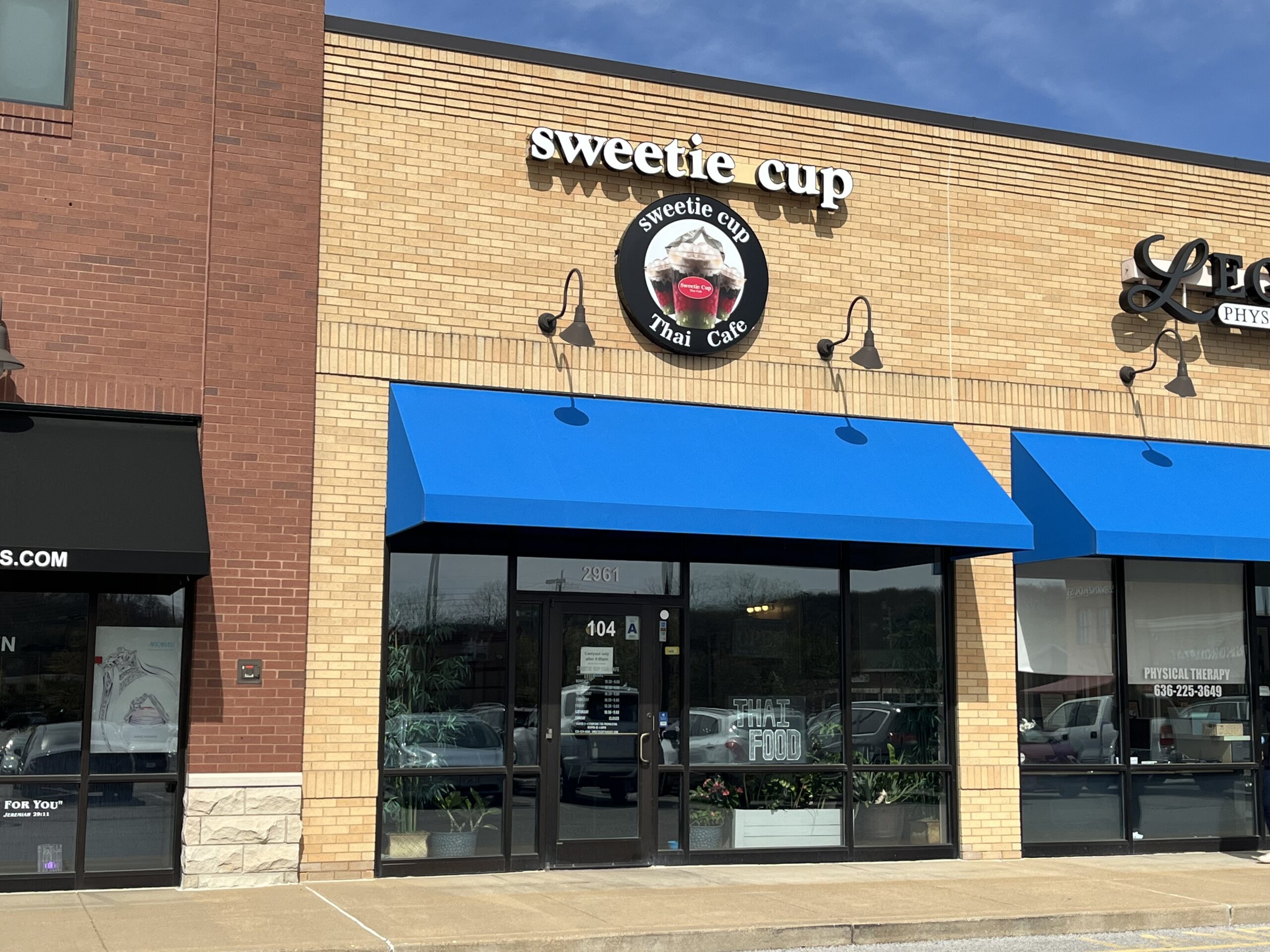
Sweetie Cup Thai Cafe, located at 2961 Dougherty Ferry Rd in Valley Park, MO, will offer a special Lunch Menu.


VALLEY PARK, MO (StLouisRestaurantReview) Sweetie Cup Thai Café, a popular, locally owned Thai restaurant in Valley Park, Missouri, has announced the launch of a new special lunch menu designed to help customers enjoy authentic Thai cuisine at affordable prices during challenging economic times.


The new Lunch Special Menu begins Tuesday, October 21, 2025, and will be available Tuesday through Saturday each week. The menu features many of Sweetie Cup’s most popular entrées in reduced portions, paired with the customer’s choice of one egg roll or two crab rangoons, all for just $11.95.


According to management, the decision to introduce this new menu reflects both customer feedback and the restaurant’s commitment to supporting the local community amid slower economic growth. With inflation still affecting food costs and household budgets, Sweetie Cup Thai Café aims to offer guests a high-quality meal that’s lighter on the wallet yet still full of flavor.

“We know that times are tough for many families and small businesses,” said Seangchanh Inthichak, owner of Sweetie Cup Thai Café. “This new lunch special gives our customers a chance to enjoy their favorite dishes more often without overspending. It’s our way of saying thank you for their continued support.”

Lunch Specials: Delicious, Affordable, and Authentic


The menu features several customer favorites, including Pad Thai, Thai Fried Rice, Basil Chicken, and Red Curry, all prepared with the same fresh ingredients and attention to flavor that regular customers have come to expect. While portions are modestly reduced to accommodate a lunch-sized appetite, the taste and quality remain uncompromised.

Dine-In Only — Not Available Online


The new lunch specials are available for dine-in only and cannot be ordered online through delivery platforms or the restaurant’s website. This in-person exclusivity encourages customers to enjoy the whole dining experience, interact with staff, and support a local small business directly.

“We want to see our customers, not just their names on a delivery ticket,” said Inthichak. “Good food and good company are what make a restaurant feel like home.”

Responding to Economic Pressures


Across the country, many small restaurants are feeling the strain of reduced consumer spending as Main Street businesses adapt to slower traffic and higher operating costs. Sweetie Cup Thai Café’s new lunch menu is a thoughtful response — blending value, hospitality, and authentic cuisine.


Industry experts note that local eateries that innovate with affordable specials and personal engagement tend to fare better in tough economic cycles. Sweetie Cup Thai Café’s initiative is a strong example of how community-focused business models can keep dining accessible for everyone.

Menu Highlights (Available Tuesday–Saturday)

Pad Thai – Stir-fried rice noodles with egg, bean sprouts, green onions, and crushed peanuts.


Thai Fried Rice – Jasmine rice stir-fried with egg, onions, and your choice of meat.


Basil Chicken – Ground chicken stir-fried with bell peppers, onions, and basil.


Red Curry – Creamy coconut curry with bamboo shoots, bell peppers, and Thai herbs.

Each entrée includes a choice of one egg roll or two crab rangoons — both prepared fresh daily and served hot and crisp.

Community Spirit Through Food


Sweetie Cup Thai Café has long been a staple in Valley Park, known for its warm hospitality, generous portions, and authentic recipes. Owner Seangchanh Inthichak, originally from Laos, continues to bring the flavors of Southeast Asia to the St. Louis region with passion and pride.


This new lunch menu represents the restaurant’s ongoing dedication to quality, community, and affordability — a winning combination that keeps customers returning year after year.

About Sweetie Cup Thai Café:


Sweetie Cup Thai Café is a family-owned restaurant located in Valley Park, Missouri, known for serving authentic Thai dishes made with fresh, flavorful ingredients. Since opening, the café has earned a reputation for excellence through its dedication to customer satisfaction, cultural authenticity, and community engagement.


Currently, their Google Rating is 4.7 Stars with more than 213 online customer ratings and reviews.  More impressively, Yelp, which most people know, is among the lowest-rated platforms.  Yelp ranks Sweetie Cup Thai Cafe at 4.7 Stars with more than 212 online customer ratings and reviews.  TripAdvisor ranks Sweetie Cup Thai Cafe with 5 Bubbles with five ratings and reviews.


Location and Hours


Sweetie Cup Thai Café219 E. Meramec Station Rd.Valley Park, Missouri 63088📞 (636) 225-4567⏰ Hours: Tuesday–Saturday, 11:00 a.m. – 8:00 p.m.(Lunch specials available Tuesday–Saturday during lunch hours; dine-in only.)


Additional resources:

- STL.Directory Listing


- STL.News Listing https://stlouisrestaurantreview.com/sweetie-cup-thai-cafe-lunch-menu/


Why St. Louis Restaurants Are Slowing Down
Why St. Louis Restaurants Are Slowing Down — And What It Means for Main Street America


ST. LOUIS, MO (StLouisRestaurantReview) Restaurants - The familiar hum of crowded dining rooms, bustling take-out lines, and packed patios has softened this fall across much of the St. Louis region. Restaurateurs from Chesterfield to University City report the same trend: traffic is down, tickets are smaller, and the energy that defined the post-pandemic recovery seems to be fading.


The slowdown isn’t unique to St. Louis. It reflects a national pattern showing that while the U.S. economy still posts respectable headline numbers, the “Main Street” engine that drives restaurants, salons, and local retailers is losing torque. Recent data from the Federal Reserve, the Missouri Department of Revenue, and the Bureau of Economic Analysis all tell the same story—consumers are spending, but they’re doing it more carefully.

The National Backdrop: The Beige Book Turns Beige


The Federal Reserve’s Beige Book, released October 15, 2025, offered one of the clearest signals yet that Main Street momentum has cooled. The report described overall U.S. economic activity as “little changed,” adding that consumer spending inched down in most districts, with the softest conditions among middle- and lower-income households.


For restaurants, that translates directly into fewer covers. When disposable income tightens, the first cuts are often dining out, entertainment, and discretionary retail. The Beige Book’s regional detail matters here: the Eighth District, led by the St. Louis Fed, reported “mixed-to-slightly-softer” conditions and highlighted tepid consumer demand and cautious hiring.

Missouri’s Numbers Confirm the Local Slowdown


In Jefferson City, the Missouri Department of Revenue’s September release showed net general revenue down 9.2 percent year-over-year and year-to-date revenue slightly negative at –0.6 percent. Falling receipts indicate weaker sales-tax collections, which mirror softer consumer spending.


Meanwhile, the Missouri Economic Research and Information Center (MERIC) estimates unemployment at roughly 4.1 percent for late summer 2025—still historically low but ticking upward from spring levels. For restaurant owners, that small move matters: it means some households are losing hours or jobs, and others are saving in anticipation.

The Inflation Picture: Better on Paper, Still Painful at the Table


Inflation headlines have improved, yet the details still bite. The St. Louis Consumer Price Index (CPI-U) rose about 2.6 percent year-over-year in August 2025, while core inflation (excluding food and energy) was closer to 3.2 percent. In other words, the essentials that shape restaurant costs—ingredients, utilities, rent, and insurance—keep rising faster than the general average.


Customers see it too. Menu prices across the country climbed roughly 4 to 5 percent during the first half of 2025, according to the National Restaurant Association, and many operators now admit they’ve hit price resistance. Diners notice when lunch tops $20 or when a family dinner for four crosses $80. Even loyal guests start skipping appetizers or sharing desserts.

A Two-Speed Economy Hits Main Street Unevenly


The Bureau of Economic Analysis reported that real final sales to private domestic purchasers—essentially consumer spending plus business investment—grew 2.9 percent annualized in the second quarter. On paper, that looks solid. But the University of Michigan Consumer Sentiment Index stayed near 55, one of the lowest readings of 2025.


The gap between statistical growth and personal confidence is striking. Upper-income households still spend freely on travel and luxury dining, but middle-income families—those who frequent neighborhood eateries—are tightening belts. The Federal Reserve calls this a “two-speed economy.”


In practical terms, that means certain restaurants still bustle—high-end steak houses, event-driven venues, and trendy new concepts—but the average independent cafe or casual dining room sees fewer visits and smaller tabs.

Tariffs, Costs, and the “Invisible Tax” on Food


Another headwind arrived from trade policy. The Trump administration’s renewed tariff campaign—threatening duties of up to 100 percent on Chinese imports unless export restrictions on rare-earth minerals are lifted—has unsettled suppliers across industries. While most food ingredients aren’t directly imported from China, tariffs ripple through packaging, kitchen equipment, and distribution.


Federal Reserve President Musalem of the St. Louis Fed described current policy as “modestly restrictive” and warned that tariffs create a temporary inflation push. For restaurateurs, that means higher input costs without the pricing power to match. When containers, napkins, or small appliances cost more, operators either absorb the expense or pass it on, neither of which helps traffic.

The Data Dark Age: Uncertainty Is Bad for Business


The ongoing federal government shutdown has created what Investopedia calls a “data blackout.” Without fresh CPI, employment, or retail numbers, businesses can’t gauge demand or plan promotions. For small restaurants, that uncertainty discourages investment: owners postpone hiring, delay menu overhauls, and hold off on marketing campaigns until the economic picture clears.


As MarketWatch noted on October 15, the economy “has lost momentum over the past two months,” but incomplete data make it hard to know whether this is a mild pause or a broader contraction.

How It Feels on the Ground in St. Louis


Talk to operators from The Hill to St. Peters, and patterns emerge. Lunchtime foot traffic is thinner. Take-out remains steady but smaller. Online delivery through DoorDash and Uber Eats holds volume, yet the profit per order is low once commissions and delivery costs are deducted.


Some restaurants describe the slowdown as a “silent September.” Weekends are okay, but weekdays lag, and diners seem price-sensitive even on special occasions.


Higher-income neighborhoods—Clayton, Frontenac, parts of Chesterfield—still produce decent checks. But blue-collar suburbs and college-town corridors show softness. Families with kids are cooking more and eating out less. Bars and grills feel it too: patrons might stay for one drink instead of two, or skip appetizers altogether.

Why the Slowdown Feels Worse Than the Numbers


Even modest drops in traffic can devastate cash flow. Restaurants operate on thin margins, so a 5 percent decline in visits can erase profit entirely. Add rising wages, insurance, and utilities, and what looks like “flat” demand quickly becomes a deficit.


The National Restaurant Association survey shows that, for seven straight months, more operators have reported declining customer traffic than rising. Many maintain revenue only because prices are higher than a year ago—a fragile foundation if inflation cools further.

Local Economic Context: Missouri’s Uneven Recovery


Missouri’s overall economy has proven resilient, but growth is uneven. State revenues, down in September, hint at slower wage withholding and retail sales. MERIC data suggest that job growth has shifted toward healthcare and logistics—sectors that don’t necessarily translate into higher discretionary spending.


The St. Louis Fed’s Eighth District report cited “mixed” conditions, particularly among service firms dependent on household demand. Regional small-business loan demand has also weakened, a sign that owners are playing defense, not offense.

The Human Factor: Psychology and Behavior


Economics alone doesn’t explain restaurant sluggishness. Consumer psychology plays a role. After two years of steady inflation and global uncertainty, Americans are fatigued. Even when incomes rise, households crave stability more than indulgence. Many view restaurant dining as an occasional treat rather than a routine convenience.


Sociologists call this “cautious normalization”—a phase where consumers return to familiar habits but with new price awareness. They might still celebrate birthdays out, but skip spontaneous mid-week dinners.

Practical Steps for Local Operators


Although macro trends are beyond any single restaurateur’s control, owners can adapt faster than policymakers. Here are tested tactics emerging from successful operators in St. Louis and similar midwestern metros:

Protect key price points. Keep best-selling items at familiar prices and adjust margin through portion control or optional upgrades. Customers notice a $2 price hike more than a smaller portion.


Promote value bundles. Pair entrees with drinks or desserts at a modest discount to raise average checks without scaring price-sensitive guests.


Own your weekday strategy. Create early-evening specials—“power-hour” menus between 4 and 5:30 p.m.—to drive pre-dinner traffic.


Segment your audience. Use SMS or email to target higher-income ZIP codes more likely to maintain discretionary spending.


Cross-promote locally. Partner with neighboring boutiques, gyms, or salons to exchange loyalty offers—community collaboration still drives awareness better than national ads.


Watch micro-metrics. Track foot traffic, ticket size, and repeat-customer rate weekly. If all three slip simultaneously for more than two weeks, cut variable costs before profits disappear.


Control back-of-house waste. Audit prep procedures and ingredient rotation; a few percentage points of waste reduction often equal a full week of sales.


Defend your reputation online. Google and Yelp ratings remain decisive; responding quickly to four-star reviews and highlighting value dishes in social posts can lift visibility without ad spend.

The Broader Lesson: Main Street Matters


Restaurants are the economic barometer of Main Street. When households feel flush, tables fill up. When uncertainty rises, dining rooms empty. Today’s slowdown underscores how fragile the service-sector recovery remains despite positive GDP growth.


Policymakers reading the Beige Book might see “little change,” but local owners see half-empty dining rooms. The divergence shows that macroeconomic averages can mask micro-level pain.


Until wage growth outpaces inflation and tariffs stabilize supply costs, Main Street dining will remain in a holding pattern—alive but cautious, open but uneasy.

Outlook for the Holiday Season for Restaurants


Analysts at Deloitte forecast U.S. holiday retail sales growth of 2.9 to 3.4 percent this year, down from over 4 percent last year. For restaurants, that implies modest December improvement but no major surge. Holiday parties and catering may rebound, yet everyday traffic will depend on how confident households feel once Washington reopens and delayed economic data resume.


If gas prices stay moderate and payrolls remain steady, early 2026 could bring stabilization. But if tariffs, inflation, or job losses escalate, local restaurants will likely stay in defensive mode well into the new year.

The Bottom Line for Restaurants


St. Louis restaurants are slowing because the middle of the market—the families, students, and workers who fill dining rooms—are tightening their budgets. Inflation eased but not enough; tariffs cloud costs; and uncertainty weighs heavier than any single statistic.


From Federal Reserve Beige Book (October 2025) and MarketWatch, to Missouri Department of Revenue data and National Restaurant Association surveys, every credible source converges on one theme: the American consumer is cautious again.


The challenge for restaurateurs is to survive that caution without losing relevance. Those who innovate, localize, and stay close to their customers will weather this slowdown—and may emerge stronger when confidence finally returns to Main Street.

Sources credited:


Restaurants: Federal Reserve Beige Book (Oct 2025); Missouri Department of Revenue Monthly General Revenue Report (Sept 2025); Missouri Economic Research & Information Center (MERIC); Bureau of Economic Analysis Q2 2025 GDP Data; University of Michigan Consumer Sentiment Survey (Oct 2025); National Restaurant Association Operator Survey (2025); MarketWatch Business Report (Oct 15 2025); Deloitte Holiday Retail Forecast (Sept 2025); Investopedia Analysis on Data Blackout (Oct 2025); St. Louis Federal Reserve Eighth District Summary (Oct 2025).


© 2025 St. Louis Restaurant Review/St. Louis Media, LLC. All Rights Reserved. Content may not be republished or redistributed without express written approval. Portions or all of our content may have been created with the assistance of AI technologies, like Gemini or ChatGPT, and are reviewed by our human editorial team. For the latest restaurant news and reviews, head to St. Louis Restaurant Review. https://stlouisrestaurantreview.com/why-st-louis-restaurants-slowing-down/


3 Zapp Bar
3 Zapp Bar, 1407 W HWY 50, Unit 106, O'Fallon, IL, will open in October 2025.


(StLouisRestaurantReview) 3 Zapp Bar is a new bar and grill that will open at 1407 W Highway, Unit 106, O'Fallon, IL, offering bar-style food with a twist of Thai cuisine and flavors.

The owners are Sinath Ngeth, owner of Zapp Noodle Thai Restaurant located next door to 3 Zapp Bar, and Wanlapa Injan, owner of Zapp Thai in Edwardsville, IL.  Both have successful Thai restaurants with many years of experience serving award-winning Thai cuisine and making customers happy.  As friends, they partnered on this venture to expand their Thai cuisine and enter into other forms of entertainment.


Combining their knowledge and skills will certainly guarantee an enjoyable and rewarding experience.


Eventually, they hope to offer slot machines, but there is a one-year waiting period after they obtain their liquor license before the city of O'Fallon will allow gaming.  For this first year, they will offer legal games such as smart darts, games, and award-winning bar-style food.  It will not be your typical bar atmosphere.  It will be clean and serve high-quality food with excellent service, in a comfortable atmosphere.  Their menu will be offered on St. Louis Restaurant Review, DoorDash, GrubHub, and Uber Eats.

The smart darts were carefully chosen to entertain dart players.  They can play other players across the country by video camera and win points to play more, highly interactive and entertaining darts and games featuring a jukebox offering everything musical.

Their top priority has always been and will remain customer satisfaction.  Both of their existing restaurants are highly rated.  Zapp Noodle Thai Restaurant was recently awarded by Restaurant Guru as the #2 restaurant out of 145 restaurants in O'Fallon, IL, making it the best-rated Asian restaurant in O'Fallon, IL, according to Restaurant Guru—an impressive award by anybody's standards.

It is a small, cozy place with a beautiful bar built by Exterior Experience LLC.  They are a fence and deck contractor located in St. Louis, who owns a sawmill to cut the eastern Missouri cedar lumber to construct fences and decks.  The bar top is an eastern Missouri cedar live edge that is stunning.  We appreciate their hard work to create this attractive feature for the 3 Zapp Bar.

As they begin to open, we ask that if you have a negative experience, please share it with the owners and allow them to correct any mistakes before reaching out to online rating platforms and destroying the reputation before they learn and get comfortable with a new business concept.


3 Zapp Bar online reviews and ratings are as follows, as of October 18, 2025:

- Google - Not Rated Yet


- Facebook - Not Rated Yet


- Yelp - Not Rated Yet


- TripAdvisor - Not Rated Yet


- STL.Directory - Not Rated Yet

NOTE: The reviews and ratings are subject to change without notice.  Additionally, they have not opened yet, so nobody has published any reviews or ratings.  Stay tuned!


3 Zapp Bar business hours:

- Sunday - Noon - 8:00 pm


- Monday - Closed


- Tuesday - 11:00 am - 3:00 pm


- Wednesday - 11:00 am - 3:00 pm


- Thursday - 11:00 am - 3 pm


- Friday - 11:00 am - 8:00 pm


- Saturday - 11:00 am - 8:00 pm

NOTE: The business hours are subject to change without notice.  Please call the restaurant to verify critical information.


Legal Structure:

- Legal Owner: Zapp Thai Restaurant, LLC (Illinois LLC)


- DBA: 3 Zapp Bar - Controlled by a Partnership Agreement


- File #: 14997776


- Formed: October 2, 2025


- Expires: July 1, 2030

Name, address, and phone (NAP):


3 Zapp Bar


1407 W Highway, Unit 106


O'Fallon, Illinois 62269


Phone: TBA


Website: 3ZappBar.com


Additional resources:

- STL.Directory


- STL.News https://stlouisrestaurantreview.com/3-zapp-bar/

Monday, October 13, 2025


Ferguson Brewing Company to Close After 15 Years
Ferguson Brewing Company to Close After 15 Years; Good News Brewing to Carry the Torch


A Bittersweet Farewell to a Local Landmark


FERGUSON, MO (StLouisRestaurantReview) Ferguson Brewing Company - After 15 years of serving handcrafted beers and hearty meals to the Ferguson community, Ferguson Brewing Company has announced it will close its doors for good on December 20, 2025. The decision marks the end of one of north St. Louis County’s most beloved neighborhood brewpubs. This establishment weathered countless storms and stood as a symbol of resilience, hospitality, and local pride.


The owners shared the news with heavy hearts, thanking loyal customers who supported them through the highs and lows. “It’s been an incredible ride,” their announcement read, reflecting on a journey that began in 2010 and grew into a cornerstone of the city’s downtown district.


Although Ferguson Brewing’s final day is approaching, there’s good news for fans of local craft beer—the building will not sit empty for long. Good News Brewing, a popular brewery based in O’Fallon, Missouri, will take over the space in early 2026, continuing the spirit of community and quality brewing that Ferguson locals have cherished for more than a decade.

Ferguson Brewing Company - From Humble Beginnings to a Community Icon


Ferguson Brewing Company first opened its doors in a renovated building along South Florissant Road, in the heart of Ferguson’s downtown strip. Founded by passionate beer enthusiasts, the brewery quickly earned a reputation for producing consistent, high-quality craft beers and pairing them with an elevated menu of pub favorites.


The space itself exuded warmth—wood accents, brick walls, and an open view of the brewing tanks that brought customers closer to the process. It became the type of place where families gathered for dinner, coworkers met after hours, and travelers discovered the flavor of local craftsmanship.


Among its many signature creations, patrons will remember standouts such as the Pecan Brown Ale, Oatmeal Stout, and a rotating lineup of seasonal brews that showcase creativity and technical skill. In addition to beer, Ferguson Brewing was also known for its food. The kitchen offered an expansive menu—from smoked wings and burgers to pretzel bites, tacos, and comfort dishes designed to complement every pour.

Ferguson Brewing Company - Resilience Through Challenges


Like many small businesses, Ferguson Brewing Company faced more than its fair share of adversity over the years. A devastating kitchen fire in 2015 forced a temporary closure and a complete rebuild of the dining area. The owners and staff worked tirelessly to reopen, rebuilding not only the structure but also the spirit that defined the establishment.


During the unrest that followed the 2014 Ferguson protests, the brewery remained open as a safe haven—offering meals to first responders, volunteers, and community members seeking normalcy amid chaos. It became a gathering place where conversation and compassion took precedence over division.


Those moments solidified Ferguson Brewing’s reputation as more than just a restaurant and brewery; it was a community institution, an anchor during difficult times, and a testament to what local ownership can mean for a neighborhood’s identity.

Ferguson Brewing Company - The Decision to Close


After a decade and a half of dedication, the owners ultimately decided to close. Rising costs, shifting market conditions, and the relentless demands of the hospitality industry made continuing operations unsustainable. Despite their best efforts, including attempts to find a buyer who would keep the brewery running under its original name, no deal could be reached.


In their announcement, the owners expressed gratitude for everyone who had walked through their doors—from longtime patrons and families to the countless employees who contributed their talent and hard work over the years. They also revealed that the building had been sold to a local buyer, ensuring that the space would remain part of Ferguson’s revitalized downtown rather than sit vacant.

Good News Brewing Steps In


Shortly after the closure announcement, Good News Brewing Company confirmed that it had acquired the Ferguson location and planned to reopen it in early 2026. Founded in O’Fallon, Good News Brewing has built a strong reputation across the St. Louis region for its craft beers, community focus, and welcoming brewpub atmosphere.


The new location, expected to be branded as Good News Brewing Ferguson, will maintain the building’s neighborhood charm while introducing its own creative flair. Plans include a new taproom layout, wood-fired pizza, and a refreshed menu that pairs perfectly with their rotating beer lineup.


While the name and ownership will change, the spirit of local brewing will remain intact. Good News Brewing’s leadership has emphasized its commitment to Ferguson’s community values—continuing to create a space where people can gather, celebrate, and share good company over a pint.

What the Closure of Ferguson Brewing Company Means for Ferguson


The loss of Ferguson Brewing Company is deeply felt by locals who viewed it as a landmark and symbol of the city’s resilience. For many, it represented the rebirth of downtown Ferguson—a place that had seen struggle and renewal over the years. The brewery’s closure marks the end of an era, but the arrival of a new operator offers hope that the energy and purpose behind the space will endure.


Restaurants and breweries like Ferguson Brewing do more than sell food and drink—they foster connection, identity, and pride in local culture. As St. Louis County continues to rebuild economically and socially, establishments like this remind residents of the significant role independent hospitality businesses play in a city’s character.

The Legacy of Ferguson Brewing


Fifteen years in business is no small feat for any restaurant or brewery, especially in an industry as competitive and unpredictable as craft beer. Ferguson Brewing Company’s story reflects the best of what St. Louis has to offer: innovation, resilience, and a commitment to community.


It gave countless locals their first taste of handcrafted beer made close to home. It hosted fundraisers, trivia nights, live music, and neighborhood gatherings that strengthened community bonds. And in the face of fires, economic downturns, and social upheaval, it kept its doors open as long as it could—serving with passion until the end.


As the final weeks approach, regulars are encouraged to visit one last time, enjoy a pint of their favorite brew, and say goodbye to the team that poured their hearts into making Ferguson Brewing what it became.

Looking Ahead


When Good News Brewing Ferguson opens in 2026, it will mark a new chapter for both the location and the city. The craft beer scene in St. Louis remains strong, and Ferguson continues to evolve as a destination for dining and local entertainment.


For now, the closing of Ferguson Brewing is a reminder of how much local businesses mean to their communities. The best way to honor its legacy is to keep supporting local breweries, restaurants, and cafés that invest in people—not just profits.


The story of Ferguson Brewing Company will always be remembered as one built on hard work, perseverance, and community spirit—a legacy that will undoubtedly live on through the new venture taking its place.

Conclusion:


While December 20, 2025, marks the end of Ferguson Brewing Company’s chapter, its influence on local craft beer culture will continue to inspire others. The arrival of Good News Brewing ensures that the taps will keep flowing, the conversations will keep coming, and the heart of Ferguson will continue to beat with community, camaraderie, and the unmistakable aroma of freshly brewed beer.


Disclaimer: This article is for informational and editorial purposes only. The author and St. Louis Restaurant Review do not represent any affiliated businesses mentioned herein.


© 2025 St. Louis Restaurant Review/St. Louis Media, LLC. All Rights Reserved. Content may not be republished or redistributed without express written approval. Portions or all of our content may have been created with the assistance of AI technologies, like Gemini or ChatGPT, and are reviewed by our human editorial team. For the latest restaurant news and reviews, head to St. Louis Restaurant Review. https://stlouisrestaurantreview.com/ferguson-brewing-company-close/

Wednesday, October 8, 2025


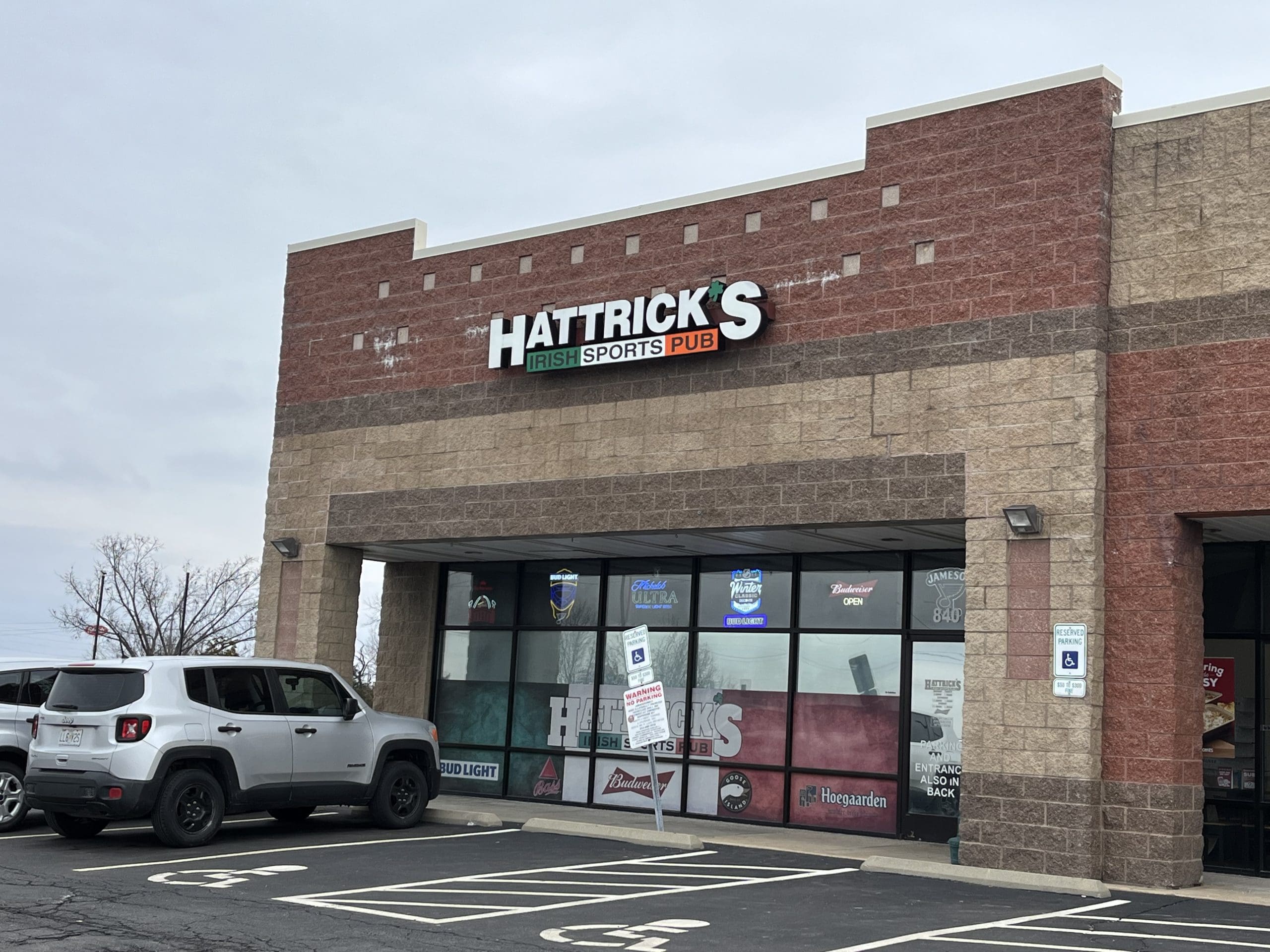
Hattrick’s Irish Sports Pub - O’Fallon, Now Live on DoorDash
Hattrick’s Irish Sports Pub in O’Fallon, Missouri, is Now Live on DoorDash and eOrderSTL.


Grubhub and Uber Eats Partnerships Coming Soon as the Beloved Local Pub Expands Online Ordering Options


O’FALLON, MO (StLouisRestaurantReview)  Hattrick’s Irish Sports Pub, one of O’Fallon’s most popular neighborhood hangouts, has officially launched its menu on DoorDash, joining the eOrderSTL platform powered by St. Louis Restaurant Review. The move marks another milestone in the pub’s digital expansion, making its hearty Irish-American fare more accessible than ever to local fans.

A Local Favorite Expands Its Reach


Located in the heart of O’Fallon, Hattrick’s Irish Sports Pub has long been known for its welcoming atmosphere, friendly staff, and vibrant sports-bar energy. With dozens of big-screen TVs, cold beer on tap, and classic comfort food served with generous portions, the restaurant has become a go-to destination for locals looking to unwind, catch a game, or enjoy a night out with friends.


Now, thanks to its partnership with DoorDash and eOrderSTL, customers can order their favorite dishes for pickup or delivery with just a few clicks. This integration brings Hattrick’s to a broader audience while maintaining its strong community roots.

Integration with eOrderSTL and St. Louis Restaurant Review


The collaboration with eOrderSTL, a St. Louis-based online-ordering platform specializing in helping local restaurants compete with national delivery apps, underscores Hattrick’s commitment to supporting the local business ecosystem.


St. Louis Restaurant Review, which manages and promotes eOrderSTL’s partner restaurants, announced the listing earlier this week as part of its ongoing effort to highlight top-rated locally owned establishments. The platform’s goal is to keep more of every dollar spent within the local community—offering lower commissions and AI-driven digital marketing that benefits restaurants like Hattrick’s.

Grubhub and Uber Eats Coming Soon


Hattrick’s is not stopping there. Management has confirmed that Grubhub and Uber Eats listings are currently in progress and expected to go live soon. Once active, customers will have a full range of options to order directly from their preferred platform—whether they’re loyal to DoorDash, prefer Grubhub’s perks, or use Uber Eats for convenience.


This comprehensive digital rollout will ensure Hattrick remains a top choice for diners across St. Charles County, whether they dine in, pick up, or order delivery.

Online Ratings Reflect Strong Community Support


Hattrick’s Irish Sports Pub enjoys impressive online ratings that mirror its loyal following:

Google Rating: 4.5 stars from hundreds of reviews


TripAdvisor: Highly rated for service, atmosphere, and value


Facebook Reviews: Frequent mentions of “great food,” “friendly bartenders,” and “the best wings in town”

Customers frequently praise the pub’s lively atmosphere and top-notch hospitality. One recent reviewer wrote, “Hattrick’s feels like home—good people, great food, and always a good time.” Another added, “It’s my favorite spot in O’Fallon. They know your name, and the kitchen never disappoints.”

A Community Staple with a Digital Future


As O’Fallon continues to grow, Hattrick’s Irish Sports Pub stands as a testament to the fact that locally owned establishments can thrive alongside national chains by embracing technology and fostering community-driven partnerships. Through eOrderSTL’s local-first approach and the reach of major delivery networks like DoorDash, Hattrick’s is bridging the gap between tradition and convenience.


The pub’s leadership expressed enthusiasm for the new phase:

“We’ve always believed in serving our community first,” said a Hattrick’s spokesperson. “These new platforms help us reach our regulars more easily while introducing Hattrick’s to new customers throughout the region. It’s about keeping local flavor strong and accessible.”

How to Order


Customers can now explore the full Hattrick’s Irish Sports Pub menu online at:

DoorDash: Search Hattrick’s Irish Sports Pub, O’Fallon MO


eOrderSTL: Visit ORDER ONLINE and browse participating restaurants


Coming Soon: Listings on Grubhub and Uber Eats

Whether it’s a burger and fries during the big game or late-night appetizers after work, Hattrick’s online ordering makes local dining fast, easy, and delicious.


 https://stlouisrestaurantreview.com/hattricks-irish-sports-pub-doordash/

Saturday, October 4, 2025


Can't Control Food Costs Without Proper Accounting
Why You Can’t Control Food Costs Without Proper Accounting and Expense Analysis


ST. LOUIS, MO (StLouisRestaurantReview) — Every successful restaurant owner knows that controlling food costs is one of the most essential elements in running a profitable business. Yet many underestimate the foundation that makes it possible: accurate accounting and consistent financial analysis. Without strong accounting systems in place, food cost control becomes guesswork — and in the restaurant business, guessing can be fatal.


Food cost management isn’t simply about tracking what’s purchased or what’s wasted. It’s about connecting financial data to daily operations and understanding exactly where every dollar goes. In an insightful article published by St. Louis Restaurant Review, local experts emphasized that restaurants cannot manage food costs effectively without disciplined accounting practices and regular review of expenditures.


This expanded feature examines how proper accounting procedures and ongoing financial analysis form the backbone of cost control, and why restaurants that fail to integrate both risk losing profits, stability, and long-term growth.

The Link Between Accounting and Food Cost Control


Food costs represent one of the most significant variable expenses in the restaurant industry, often consuming 30% or more of total revenue. Even a slight miscalculation or lack of tracking can cause substantial profit loss. The problem isn’t just about the price of ingredients—it’s about understanding how those purchases align with sales, inventory usage, and waste.


To know your actual food cost, you must have accurate records of:

What you buy (purchases)


What you use (inventory adjustments)


What you sell (sales data from your POS system)

Without this data flowing through a reliable accounting process, any “food cost percentage” is at best an estimate. Restaurants that operate without accurate bookkeeping often believe they’re profitable when they’re not—or vice versa.


Good accounting turns numbers into insight. It reveals trends, identifies waste, and exposes inefficiencies that might otherwise go unnoticed.

Why Accounting Procedures Are Essential


Controlling food costs depends on more than just kitchen management—it starts with a solid financial structure. Accurate accounting systems form the basis for informed decision-making.

1. You Can’t Control What You Don’t Measure


If a restaurant doesn’t know its actual cost of goods sold (COGS), it can’t possibly manage food costs effectively. This metric connects your purchases to your sales and inventory, revealing whether your spending aligns with your revenue.

2. Accounting Creates Accountability


Accounting records show who’s ordering, what’s being ordered, and how often. This transparency discourages waste, over-purchasing, and even internal theft. When every dollar is documented, staff and management work more carefully with inventory and purchases.

3. Financial Data Exposes Operational Weaknesses


Restaurants often focus on sales growth but overlook the issue of expense creep. Accounting analysis can identify patterns—like increasing supplier costs, excess overtime, or seasonal dips in profitability—that affect overall food cost percentages.

4. Accurate Data Enables Strategic Decisions


Whether negotiating with suppliers, updating menu prices, or planning promotions, accurate financial data ensures decisions are based on facts, not assumptions.

The Danger of Running Blind


Restaurants that don’t maintain disciplined accounting procedures are effectively running blind. Inconsistent record-keeping hides inefficiencies and waste until it’s too late.


Imagine a scenario where a restaurant buys $20,000 in food supplies monthly but fails to reconcile that figure against actual usage or sales. Without a clear view of inventory shrinkage or waste, the owner might believe the operation is running at 30% food cost when it’s actually closer to 38%.


That 8% gap could mean thousands of dollars in lost profits each month — all because of missing or inaccurate financial tracking.


Without proper accounting, even strong operational control in the kitchen cannot compensate for poor financial visibility.

How Good Accounting Practices Strengthen Food Cost Control


Integrating accounting and kitchen operations ensures financial clarity and operational consistency. The following best practices establish a system that enables restaurant owners to monitor, measure, and manage their food costs effectively.

1. Implement a Real-Time Accounting System


Modern accounting software, such as QuickBooks Online or restaurant-specific platforms, can sync with your POS system to automatically record daily sales, purchases, and expenses.

Link supplier invoices directly to expense accounts.


Track purchases by category (e.g., meat, produce, dairy, beverages).


Match each week’s purchases with the corresponding revenue.

This integration eliminates manual errors and provides an up-to-date snapshot of profitability at any time.

2. Reconcile Purchases and Inventory Regularly


Reconciliation is the process of matching the records in your accounting system with the actual physical inventory.

Conduct weekly inventory counts of key items.


Adjust financial records to reflect actual stock levels.


Investigate discrepancies between purchases and usage immediately.

This process ensures your cost-of-goods-sold figures reflect reality, not assumptions.

3. Use Accounting Data to Identify Waste Patterns


A restaurant’s accounting reports can uncover subtle problems that manual oversight might miss:

A spike in seafood purchases may indicate over-ordering or spoilage.


Rising costs in a single category could signal vendor price creep.


Frequent “miscellaneous” expenses often hide untracked waste.

By analyzing data every month, restaurant owners can pinpoint where money is being lost and implement corrective actions promptly.

4. Align Accounting and Kitchen Management


Kitchen managers and accountants must communicate regularly to ensure effective operations. The kitchen tracks usage and waste, while accounting tracks spending and profitability. Together, they create a complete picture.

Compare actual ingredient usage to theoretical usage (based on recipes).


Review weekly reports to identify discrepancies between sales and expenses.


Use meetings to discuss adjustments to ordering, portioning, or menu pricing.

This teamwork ensures financial data informs kitchen decisions, closing the loop between spending and operations.

5. Develop Budgeting and Forecasting Tools


Budgeting isn’t just for large corporations. Even small restaurants benefit from forecasting monthly expenses and revenue targets.

Utilize historical accounting data to forecast future food costs.


Set monthly targets for food cost percentages and track results.


Adjust purchasing behavior and menu pricing when necessary.

Forecasting enables food cost control to shift from reactive management to a proactive strategy.

Why Spending Time Analyzing Expenses Matters


Many restaurant owners become so engrossed in daily operations—staffing, service, and customer experience—that they neglect the back-office work that ultimately determines financial success. However, spending time analyzing expenses each week is one of the most profitable habits an owner can develop.


Analysis isn’t about spreadsheets; it’s about discovering the story behind the numbers.

Why did your production costs rise last month?


Are you overpaying for poultry or seafood?


Did your new menu items actually increase margins?


Is waste eating into your profits more than theft or portioning errors?

These are questions that only a consistent financial review can provide answers to. Regular analysis enables owners to identify problems early, adjust menus, negotiate better pricing, or retrain staff before minor issues become significant losses.

The Role of Technology in Expense Control


Technology has revolutionized the way modern restaurants manage their finances. Integrated systems combine accounting, POS, inventory management, and reporting tools in one platform, offering transparency that older manual systems could never achieve.

POS data links directly to accounting, recording every sale.


Digital invoices are stored, categorized, and searchable for easy access during audits.


Dashboards show real-time food cost percentages and expense trends.

By automating the flow of data between sales, purchasing, and accounting, restaurant owners can monitor performance in real-time, eliminating the need to wait for end-of-month reports.

A Local Perspective from St. Louis


As St. Louis Restaurant Review recently noted, local restaurant owners who implement strong accounting procedures are finding it easier to manage rising costs and inflation. Across the metro area—from Chesterfield to the Central West End—operators are utilizing financial analysis to make more informed decisions about menu pricing, vendor selection, and waste reduction.


Many have turned to cloud-based accounting and integrated POS systems to track every transaction and expense. These restaurants are demonstrating that financial visibility directly leads to operational control, which in turn leads to profitability.


The correlation is undeniable: better accounting equals better food cost control.

Accounting and Management Go Hand in Hand


You can’t separate food cost control from accounting. They’re two sides of the same coin. The kitchen can’t save what accounting doesn’t measure, and accounting can’t fix what the kitchen wastes.


When restaurant owners unite financial tracking with operational discipline, they gain the insight needed to control margins, plan strategically, and ensure long-term stability.


The most successful restaurant operators in St. Louis and across the country treat accounting not as a burden, but as a management weapon. It’s what allows them to see beyond the surface of daily sales and understand the health of their business at its core.

Conclusion: Knowledge Is Profit


Controlling food costs is impossible without knowing where your money goes—and that knowledge comes from good accounting. It’s not enough to track invoices or count inventory; the numbers must be organized, analyzed, and understood.


By dedicating time each week to reviewing expenses, reconciling accounts, and comparing financial data to kitchen performance, restaurant owners create a culture of financial awareness that leads to measurable profit.


The next time your food costs rise, don’t just look to the kitchen—look to your books. The solution might not be changing your recipes, but changing how you account for them.


© 2025 St. Louis Restaurant Review/St. Louis Media, LLC. All Rights Reserved. Content may not be republished or redistributed without express written approval. Portions or all of our content may have been created with the assistance of AI technologies, like Gemini or ChatGPT, and are reviewed by our human editorial team. For the latest restaurant news and reviews, head to St. Louis Restaurant Review. https://stlouisrestaurantreview.com/control-food-costs-without-accounting/


Controlling Food Costs is Critical for Restaurant Success
Why Controlling Food Costs Is Critical for Restaurant Success: A Guide for St. Louis Restaurateurs


ST. LOUIS, MO (StLouisRestaurantReview)- Food Costs: In today’s competitive restaurant industry, success depends on more than just great food and friendly service. Behind the scenes, profitability hinges on something less glamorous but absolutely essential—controlling food costs. For St. Louis restaurant owners, especially in a market facing inflation, rising wages, and shifting customer behavior, effective food cost management can be the difference between thriving and merely surviving.


This comprehensive guide explores why controlling food costs is crucial for every restaurant and provides detailed strategies to reduce waste, increase efficiency, and enhance profitability—without compromising quality or the guest experience.

The Importance of Food Cost Control in Restaurants


Food cost represents one of the largest controllable expenses in any restaurant, typically accounting for 28–35% of total sales in well-managed operations. If that number rises even slightly—say, from 30% to 35%—it can significantly reduce profit margins. In an industry known for thin margins, every percentage point counts.


For St. Louis restaurant owners, where local competition is strong and price sensitivity is high, cost control isn’t just about saving money; it’s about staying competitive. Customers expect high-quality meals at fair prices, but if rising ingredient costs aren’t managed properly, restaurants may face two bad options: raising prices too high or absorbing losses. Neither is sustainable.


Beyond profitability, controlling food costs provides valuable insights into operational performance. Tracking where money is spent, identifying areas of waste, and analyzing which menu items drive profits enables restaurant owners to make more informed business decisions.

The Direct Link Between Food Costs and Profitability


When restaurants lose control of food costs, the results ripple through the entire operation. Imagine a restaurant with $100,000 in monthly sales and a food cost target of 30%. That means $30,000 is spent on ingredients. If inefficiencies, waste, or theft push that cost to 35%, the business now spends $35,000—an extra $5,000 that comes directly off profits.


That 5% swing could be the difference between breaking even and turning a profit. When multiplied over months or years, uncontrolled food costs can quietly destroy financial stability. Conversely, restaurants that maintain strict control over their purchasing, inventory, and menu pricing enjoy greater flexibility to invest in marketing, new equipment, or staff development.

The Hidden Dangers of Poor Food Cost Management


Restaurants that don’t closely monitor their food costs often experience a series of avoidable problems:

Excess Waste: Poor inventory tracking leads to over-ordering, spoilage, or expired ingredients.


Inconsistent Portions: Over-serving customers or a lack of portion control inflates costs without increasing revenue.


Supplier Errors: Failing to verify invoices or weights can result in overpaying for products.


Menu Mismanagement: Some dishes may be priced too low to cover their ingredient costs.


Employee Theft or Misuse: Lack of accountability makes it easy for inventory to disappear unnoticed.

Each of these issues alone can hurt profitability; combined, they can cripple a restaurant. The good news is that with proper systems, training, and technology, every one of these problems can be addressed effectively.

Strategies to Reduce Food Costs Without Sacrificing Quality


There is no single magic formula to cut food costs—it requires a combination of systems, habits, and leadership. Below are proven methods to keep expenses under control while maintaining the high standards that St. Louis diners expect.

1. Implement Consistent Inventory Management


Inventory management is the foundation of food cost control. Knowing exactly what you have, how much is used, and what needs to be ordered prevents waste and theft.

Conduct inventory counts weekly or even daily for high-value items.


Use digital tools that integrate with your POS system to track real-time usage.


Separate expensive ingredients (like meats, seafood, or cheeses) for detailed monitoring.


Adopt the First In, First Out (FIFO) method to minimize spoilage by using older stock first.

When restaurant owners are aware of their inventory levels at all times, they can make more informed purchasing decisions and minimize unnecessary expenses.

2. Standardize Portions and Recipes


Over-portioning is one of the most common—and most costly—mistakes in restaurants. A few extra ounces per dish can add up to thousands of dollars a month in lost profits.


To prevent this:

Create standardized recipes with exact measurements.


Train cooks to use portion scoops, scales, or ladles.


Conduct periodic plate audits to ensure consistency.

This approach not only saves money but also improves customer satisfaction. Guests appreciate knowing they’ll receive the same quality and portion size every time they visit.

3. Engineer a Smart, Profitable Menu


A well-designed menu can be your best cost-control tool. “Menu engineering” involves analyzing the popularity and profitability of each dish to determine which items to promote, reprice, or remove.

Highlight “stars” (high-margin, popular items) in prominent positions on your menu.


Reprice or rework “dogs” (low-margin, low-demand dishes) to reduce waste.


Introduce daily specials that repurpose excess inventory or seasonal ingredients.

With thoughtful menu design, restaurants can increase average profit per ticket while maintaining variety and value for guests.

4. Purchase Strategically and Build Supplier Relationships


Smart purchasing starts with strong supplier relationships. Establishing trust and communication with vendors helps you negotiate better prices and receive higher-quality products.

Compare quotes from multiple vendors to ensure competitive pricing.


Order in bulk for non-perishables to gain volume discounts.


Focus on seasonal and local ingredients—often fresher, cheaper, and a great marketing point for St. Louis diners.


Review invoices carefully for accuracy in weights, prices, and substitutions.

Strong supplier management not only cuts costs but also ensures you receive consistent, reliable ingredients—critical for maintaining food quality.

5. Reduce Waste in the Kitchen


Waste is the silent profit killer in many restaurants. Trimming losses here can immediately improve margins.

Track and record prep waste daily to identify trends or recurring problems.


Train staff to repurpose leftovers into soups, sauces, or lunch specials.


Store ingredients properly and label everything with date and time.


Regularly inspect refrigeration and freezer systems to prevent spoilage.

Even small improvements—such as reducing plate waste or optimizing prep quantities—can translate into major annual savings.

6. Monitor Yields and Cooking Losses


Different cooking methods affect the amount of usable product that remains after preparation. For example, grilling or roasting meat results in shrinkage due to the loss of moisture. Understanding yield helps determine the true cost of each dish.

Weigh meats before and after cooking to calculate accurate yield percentages.


Adjust portion sizes or menu prices accordingly.


Use cooking techniques that retain as much moisture and weight as possible.

This practice ensures that every item on your menu is priced profitably based on its real cost—not an estimate.

7. Prevent Theft and Misuse


Unfortunately, theft remains a persistent issue in the restaurant industry. Whether intentional or due to lax oversight, missing inventory can have a huge impact.


To safeguard assets:

Limit access to storage areas and walk-in coolers.


Install security cameras in key areas like dry storage and prep stations.


Reconcile inventory usage with POS sales data regularly.


Conduct surprise audits to reinforce accountability.

Trust is important, but verification protects your investment and ensures the livelihoods of your employees.

8. Train and Motivate Staff


Employees play a direct role in controlling food costs. Training them to understand the “why” behind your policies creates buy-in and consistency.

Educate staff on portion control, waste management, and inventory procedures.


Encourage communication between the kitchen and front-of-house teams about specials and portioning.


Recognize and reward employees who contribute to cost-saving initiatives.

When everyone—from prep cook to manager—shares responsibility for profitability, the entire restaurant benefits.

9. Leverage Technology


Technology can streamline nearly every aspect of food cost management.

- POS Integration: Connect your sales data to your inventory system to track ingredient usage automatically.


- Recipe Costing Software: Calculate the exact cost per menu item and track fluctuations in ingredient prices.


- Accounting Integration: Link your POS with tools like QuickBooks to view real-time profitability by menu category.

These systems help identify where costs are rising and enable owners to make quick, data-driven adjustments before minor problems escalate into significant issues.

10. Analyze and Adjust Regularly


Controlling food costs isn’t a one-time project—it’s a continuous process. Successful restaurants review their food cost reports weekly, analyze patterns, and make adjustments accordingly.

Track your food cost percentage and compare it to your sales trends.


Review menu pricing quarterly to account for changing supplier costs.


Adjust recipes or portion sizes when necessary to maintain profitability.

By staying proactive, restaurant owners can keep costs in line while maintaining the quality that keeps guests coming back.

The St. Louis Market Perspective


Food Costs: In the St. Louis metro area, where competition among locally owned restaurants remains intense, smart financial management has become essential. Inflation, fluctuating supply costs, and shifting consumer expectations are forcing many operators to revisit their entire cost structure.


Restaurants that thrive are those that combine culinary excellence with operational discipline. Whether you run a small café in Maplewood, a fine dining restaurant in Clayton, or a barbecue joint in St. Charles, understanding your food costs empowers you to price competitively, control waste, and plan for long-term growth.


Many St. Louis establishments have found success by combining local sourcing with seasonal menus, offering customers fresh options while mitigating the impact of volatile ingredient prices. Others rely on data-driven inventory systems or digital menu management tools integrated with their POS systems.


Whatever the approach, the message is clear: those who master food cost control will lead the market in profitability and resilience.

Final Thoughts on Food Costs


Food Costs: Managing food costs may not be as exciting as creating new recipes or hosting a packed dining room, but it’s one of the most powerful ways to ensure a restaurant’s long-term success. It provides stability, predictability, and financial freedom, enabling innovation and growth.


For St. Louis restaurant owners, where passion for food meets fierce competition, mastering food cost control is not optional—it’s essential. By implementing proven strategies, leveraging technology, and engaging staff in the process, restaurants can safeguard their profits while continuing to deliver the exceptional dining experiences that make this city proud.


© 2025 St. Louis Restaurant Review/St. Louis Media, LLC. All Rights Reserved. Content may not be republished or redistributed without express written approval. Portions or all of our content may have been created with the assistance of AI technologies, like Gemini or ChatGPT, and are reviewed by our human editorial team. For the latest restaurant news and reviews, head to St. Louis Restaurant Review. https://stlouisrestaurantreview.com/controlling-food-costs-restaurant/